Inclusive education
Together, let’s ensure access to assistive technology for inclusive education.
©UNICEF
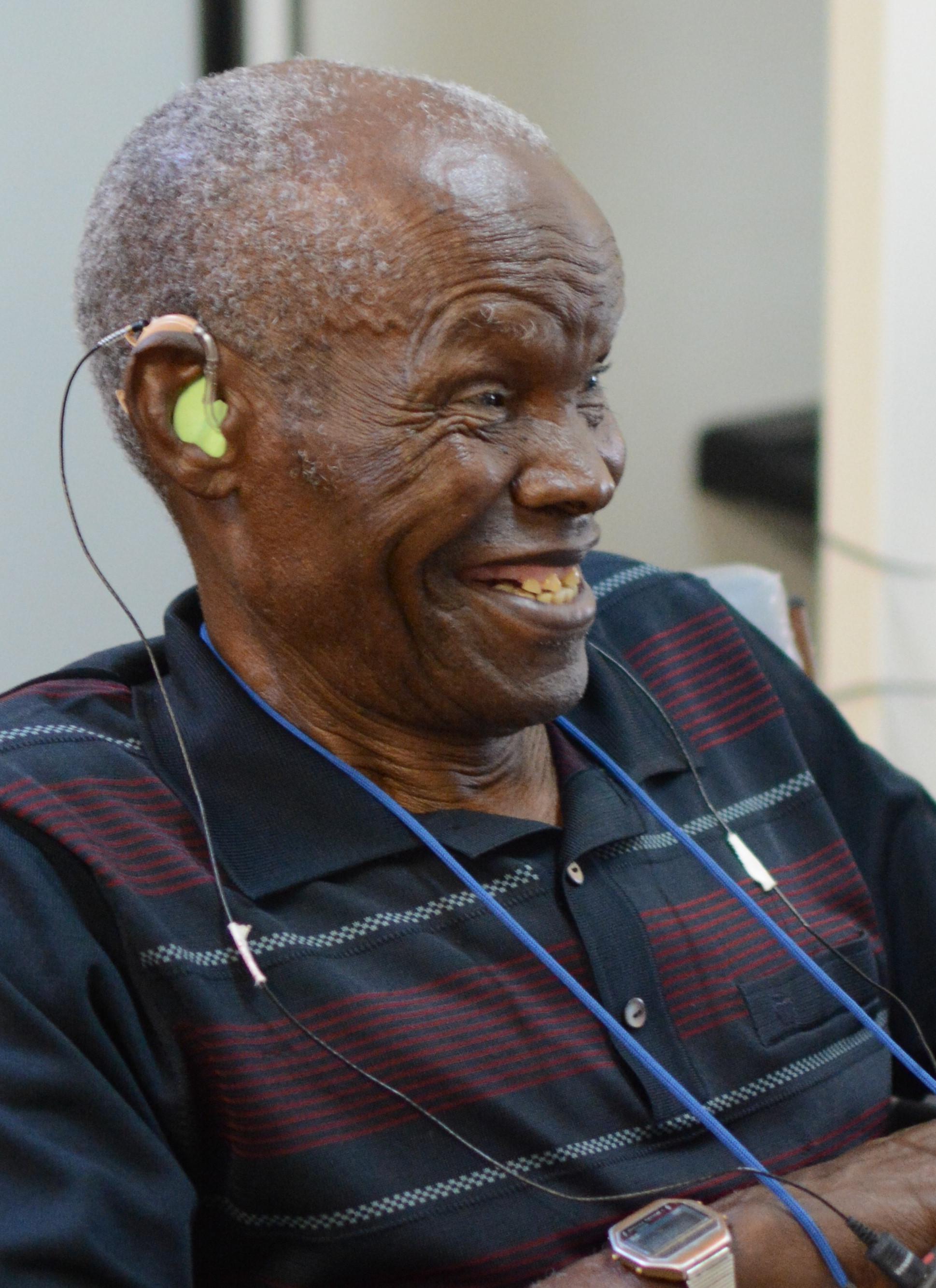
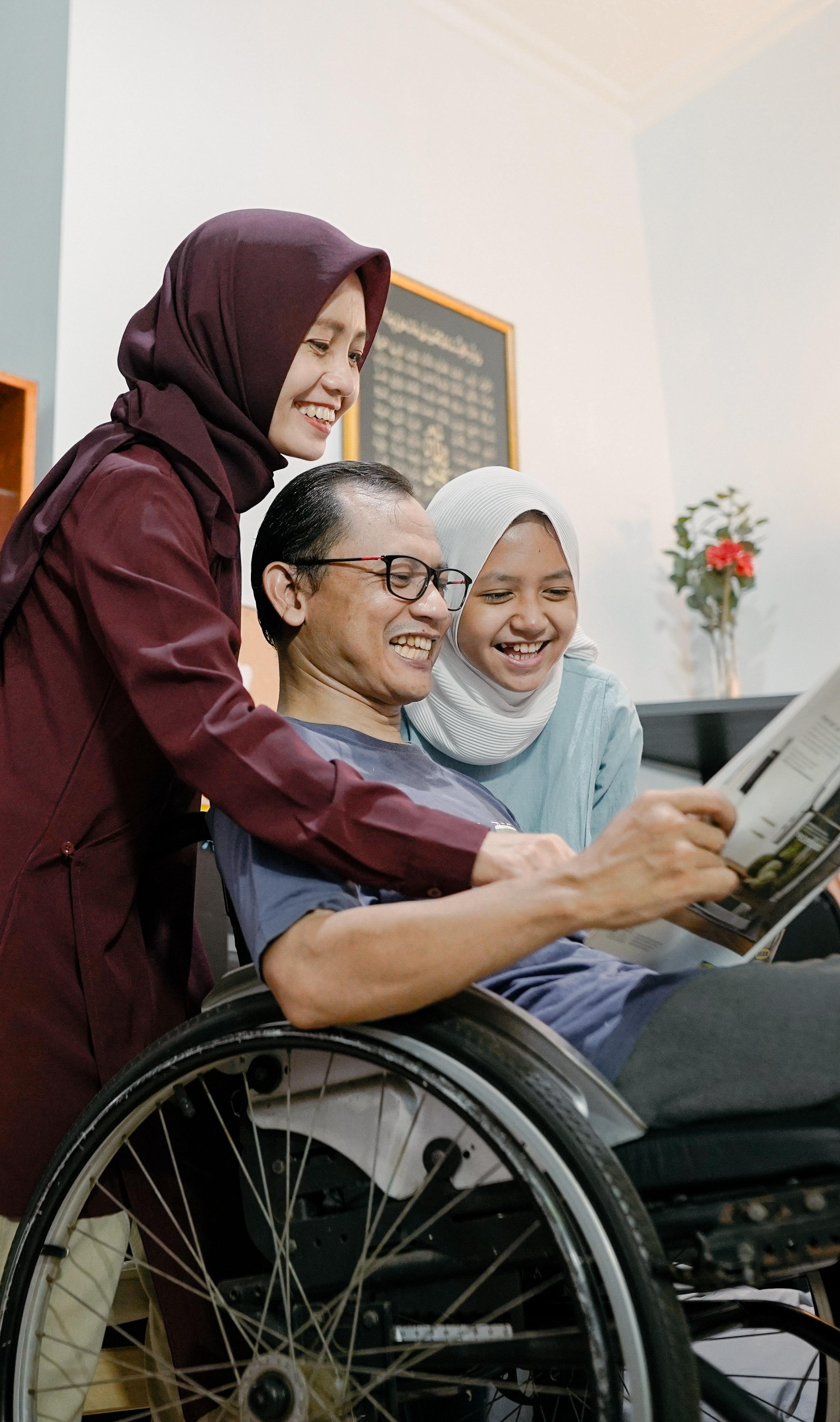
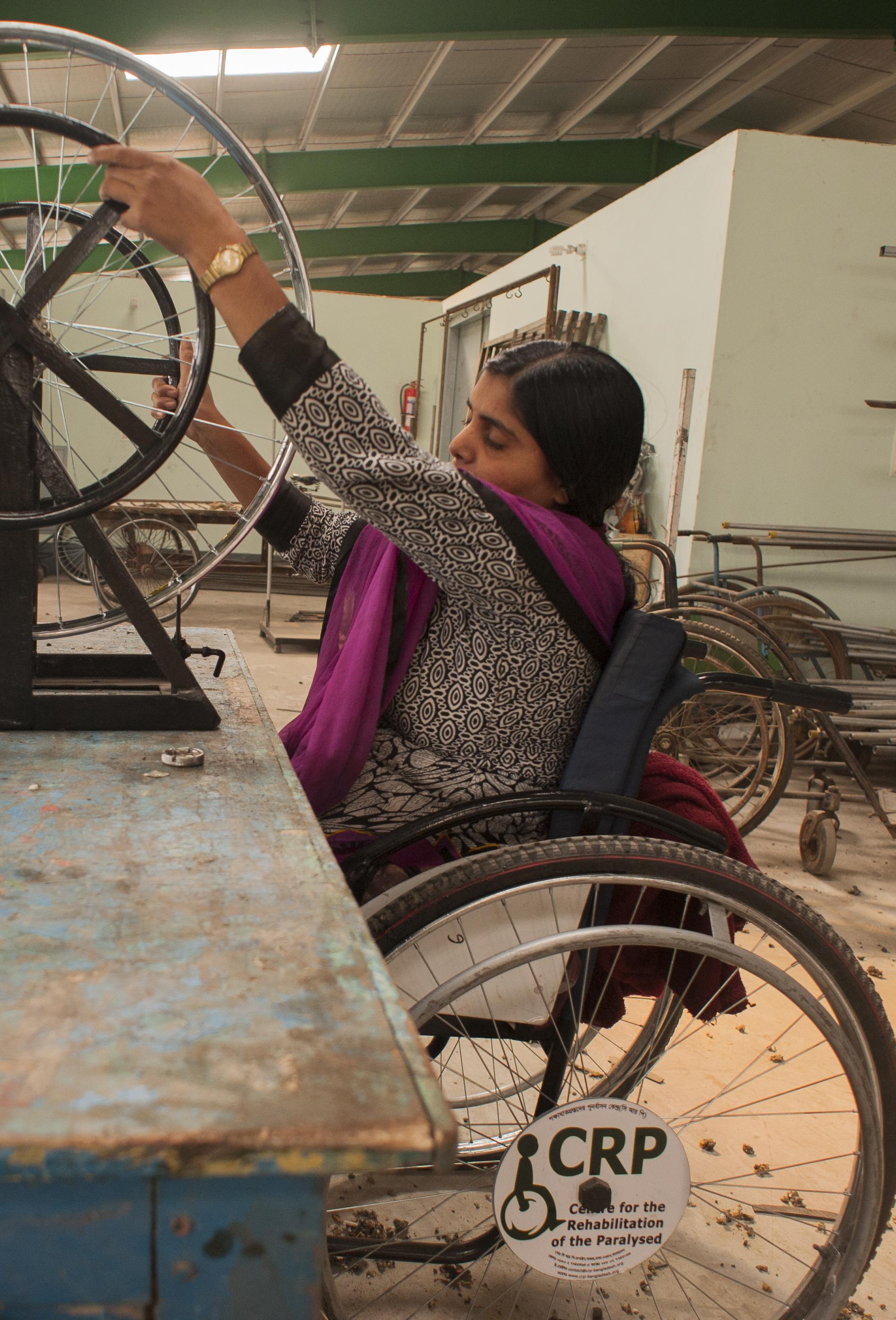
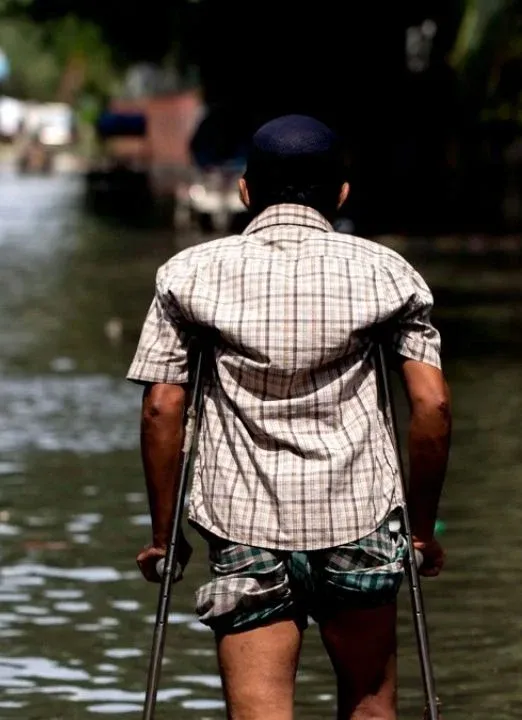
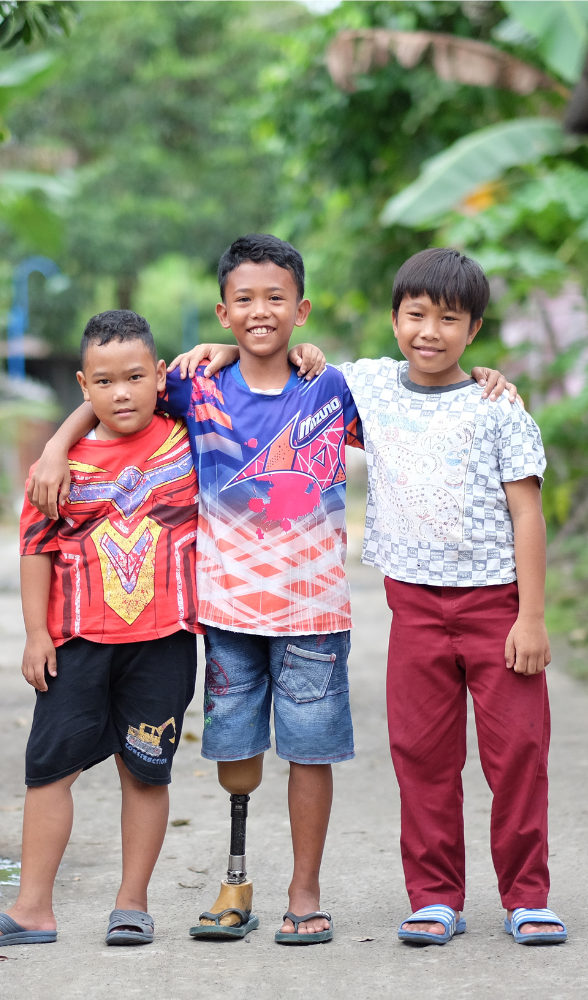
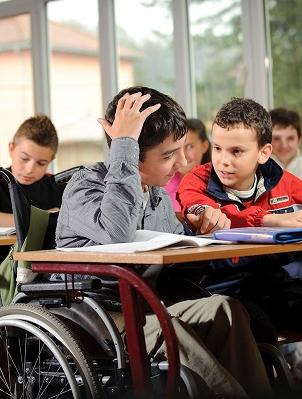
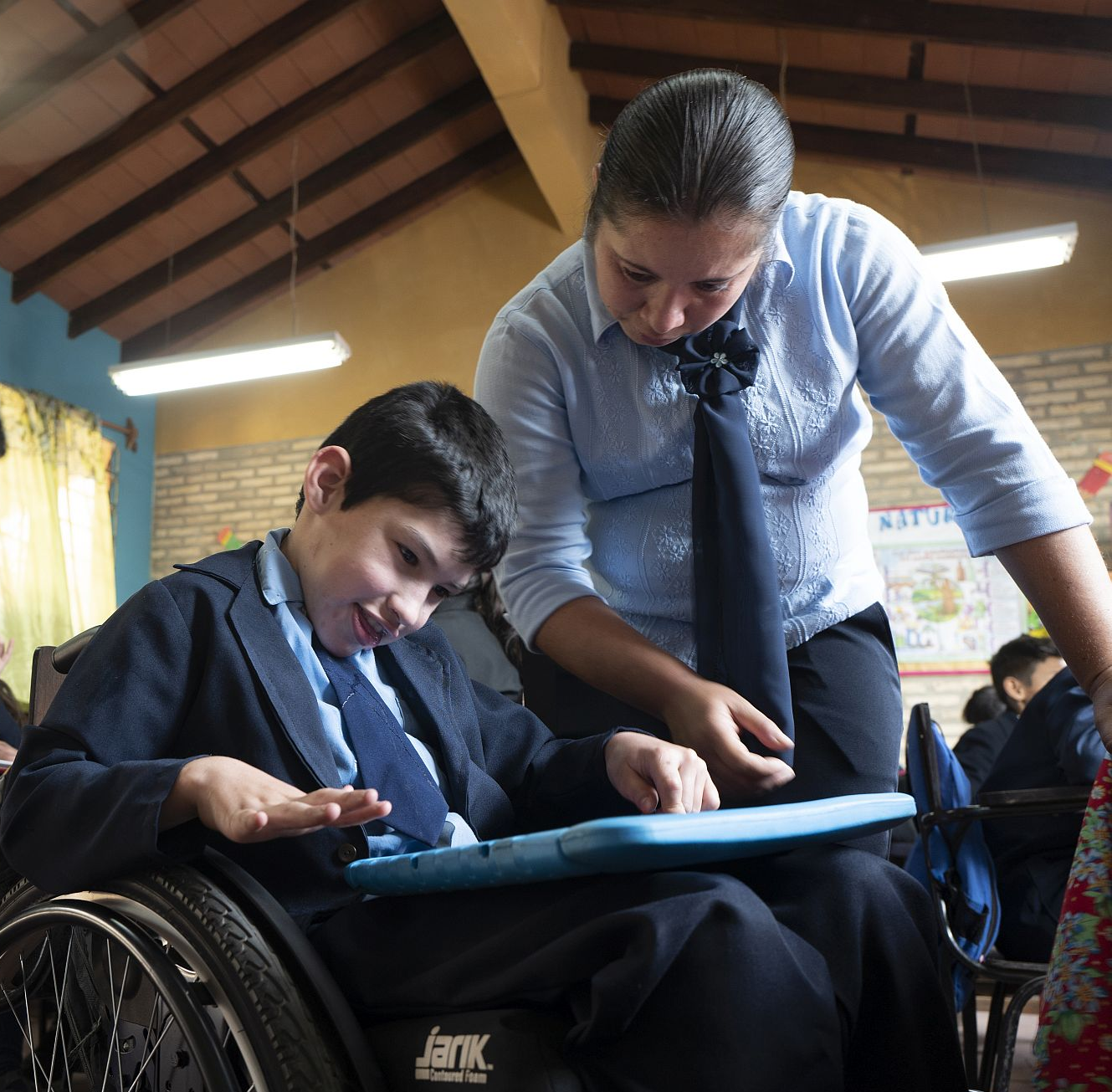
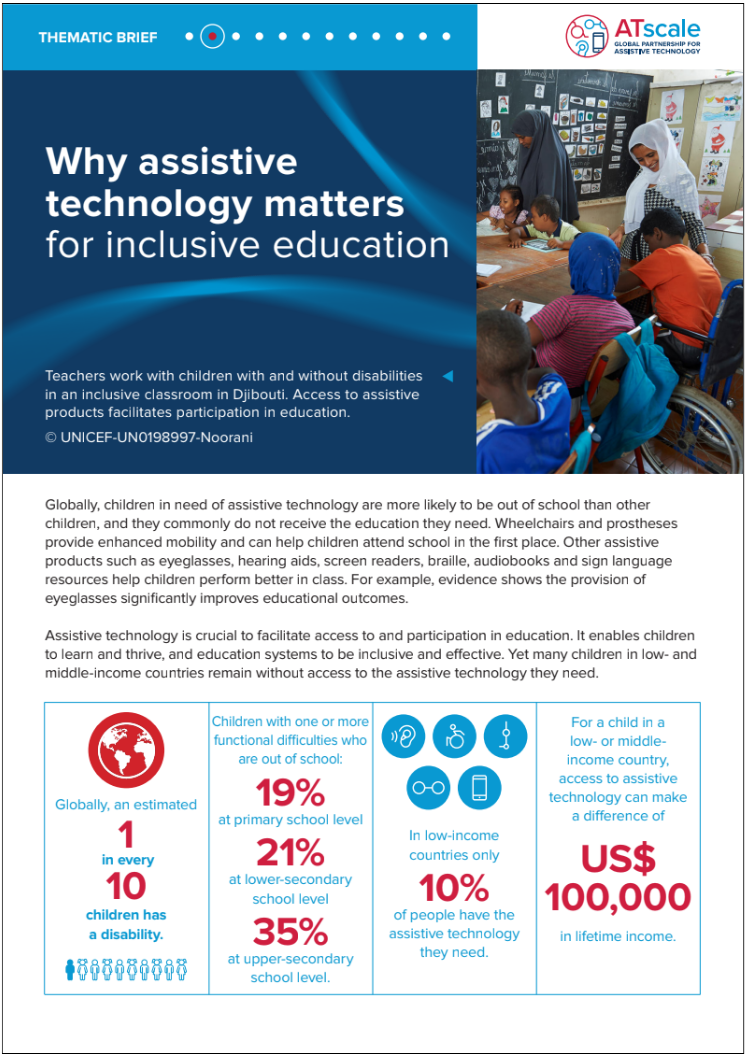
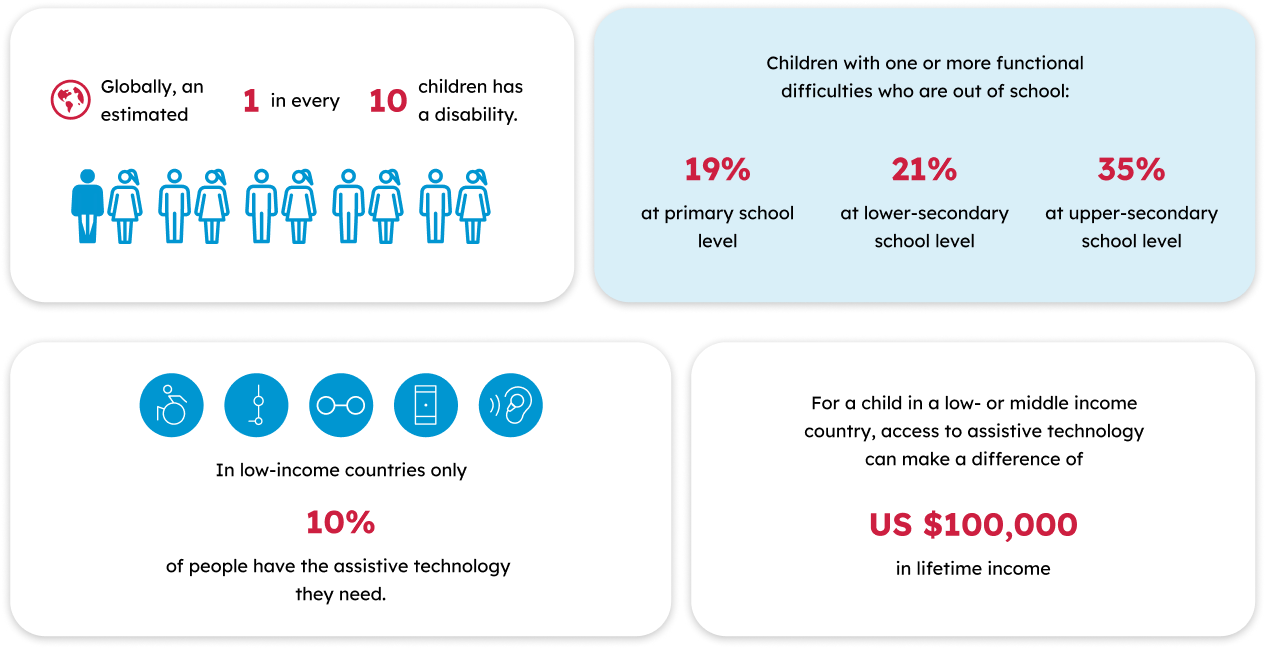
Globally, children in need of assistive technology are more likely to be out of school than other children, and they commonly do not receive the education they need. Wheelchairs and prostheses provide enhanced mobility and can help children attend school in the first place. Other assistive products such as eyeglasses, hearing aids, screen readers, braille, audiobooks and sign language resources help children perform better in class. For example, evidence shows the provision of eyeglasses significantly improves educational outcomes.
Assistive technology is crucial to facilitate access to and participation in education. It enables children to learn and thrive, and education systems to be inclusive and effective. Yet many children in low- and middle-income countries remain without access to the assistive technology they need.
Why assistive technology matters for inclusive education
 | Transforming education to reach all learners is essential for resilient and inclusive systems. |
|
 | Education is a human right — assistive technology enables access and achievement for children with disabilities. | |
 | Assistive technology interventions generate lifelong economic impact. |
Inclusion is key to realize the Sustainable Development Goals (SDGs) and leave no one behind. There will not be full inclusion while people are unable to access assistive technology. Assistive technology cuts across all 17 SDGs and is particularly relevant to some.