Humanitarian contexts
Together, let’s ensure access to assistive technology for all who need it
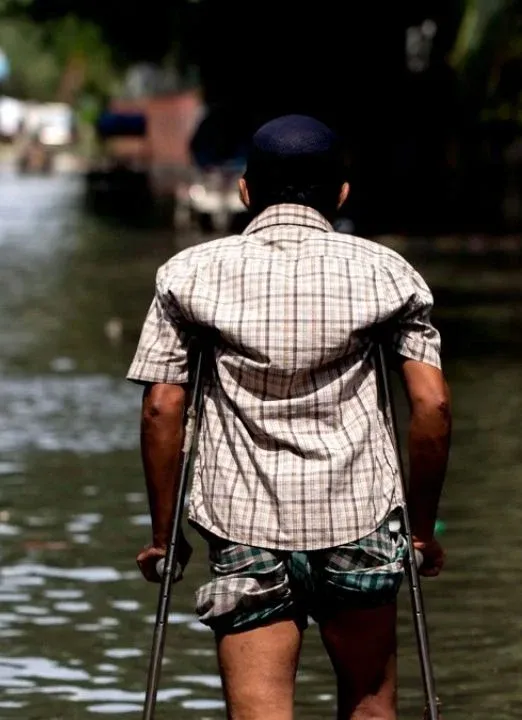
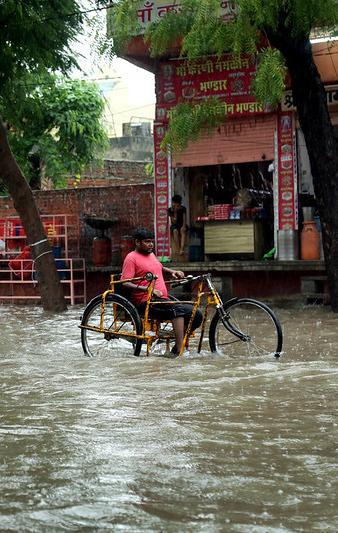
©Mukesh Kumar Jwala/Shutterstock
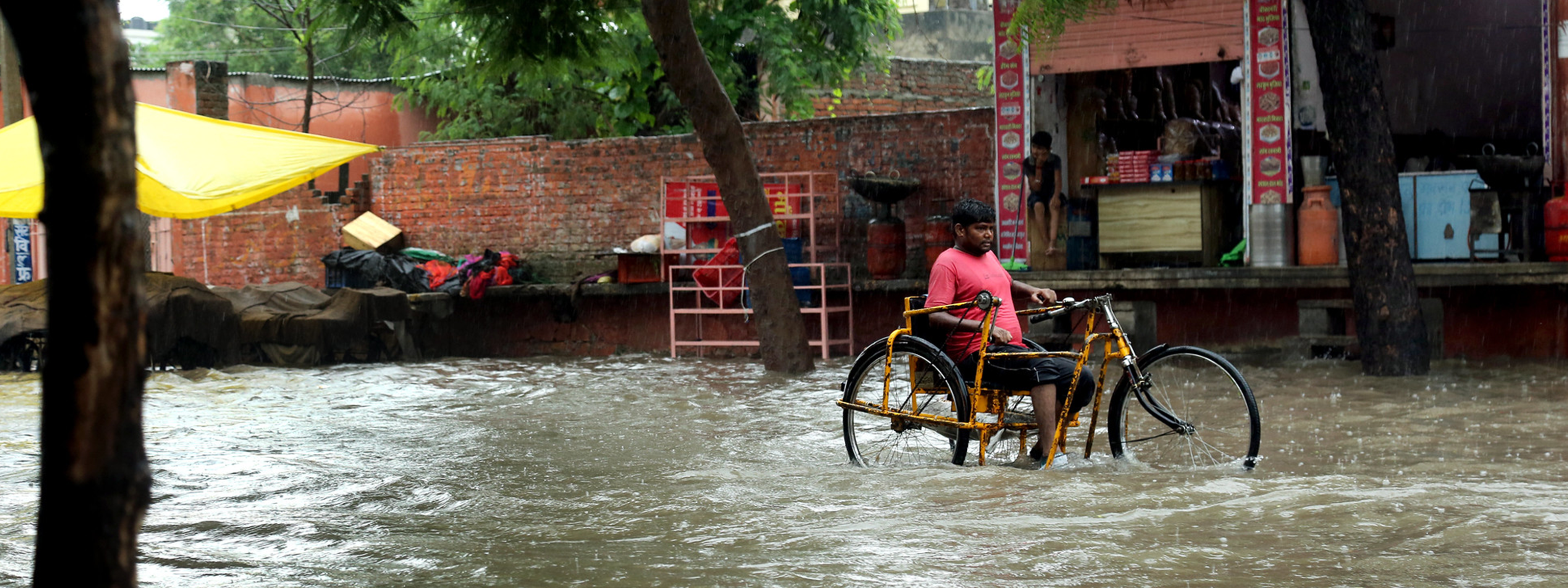
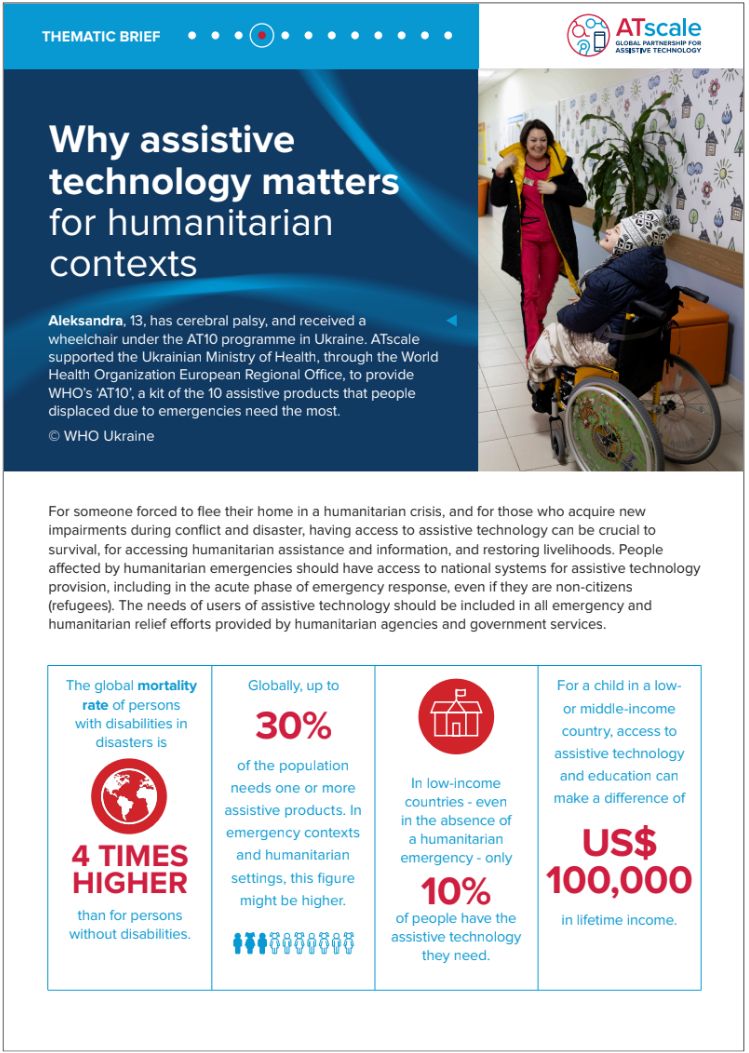
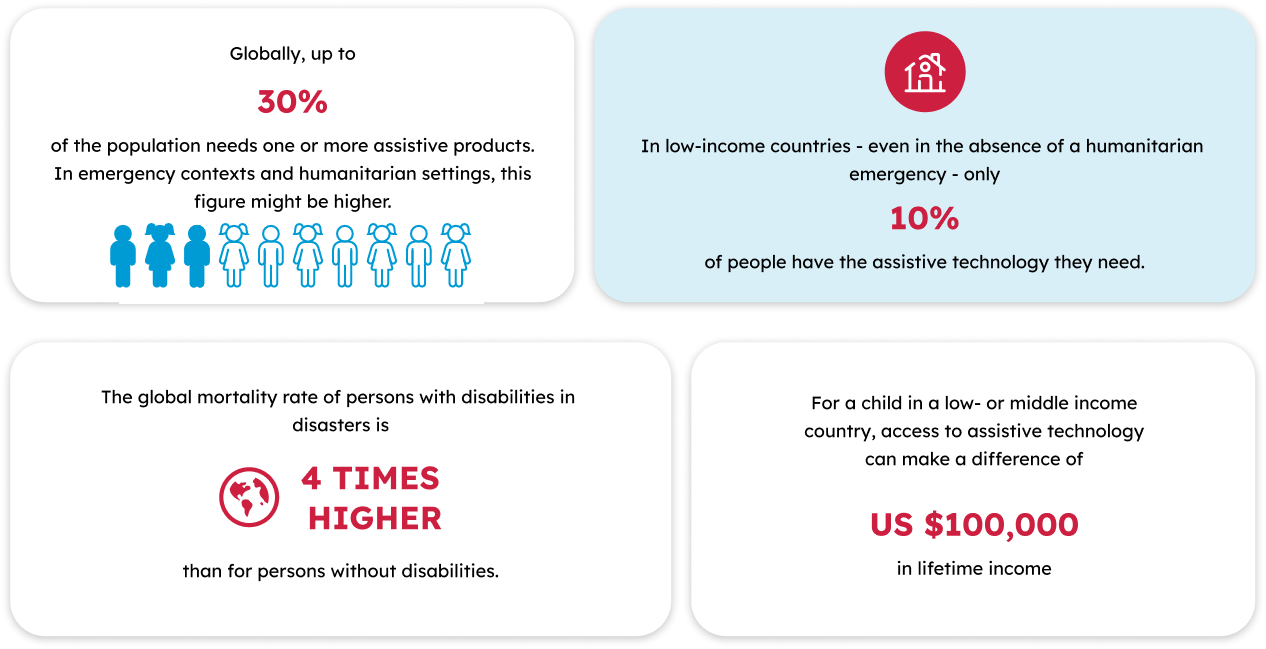
For someone forced to flee their home in a humanitarian crisis, and for those who acquire new impairments during conflict and disaster, having access to assistive technology can be crucial to survival, for accessing humanitarian assistance and information, and restoring livelihoods. People affected by humanitarian emergencies should have access to national systems for assistive technology provision, including in the acute phase of emergency response, even if they are non‑citizens (refugees).
The needs of users of assistive technology should be included in all emergency and humanitarian relief efforts provided by humanitarian agencies and government services.
Why assistive technology matters for humanitarian contexts
 | Access to assistive technology in humanitarian settings is a human right |
|
 | After a crisis, lost or damaged devices must be replaced and newly impaired people need support. | |
 | The need for assistive technology in humanitarian contexts will continue to increase. |
Inclusion is key to realize the Sustainable Development Goals (SDGs) and leave no one behind. There will not be full inclusion while people are unable to access assistive technology. Assistive technology cuts across all 17 SDGs and is particularly relevant to some.