
Climate action
Together, let’s ensure assistive technology for climate action.
© IDA / Getty images
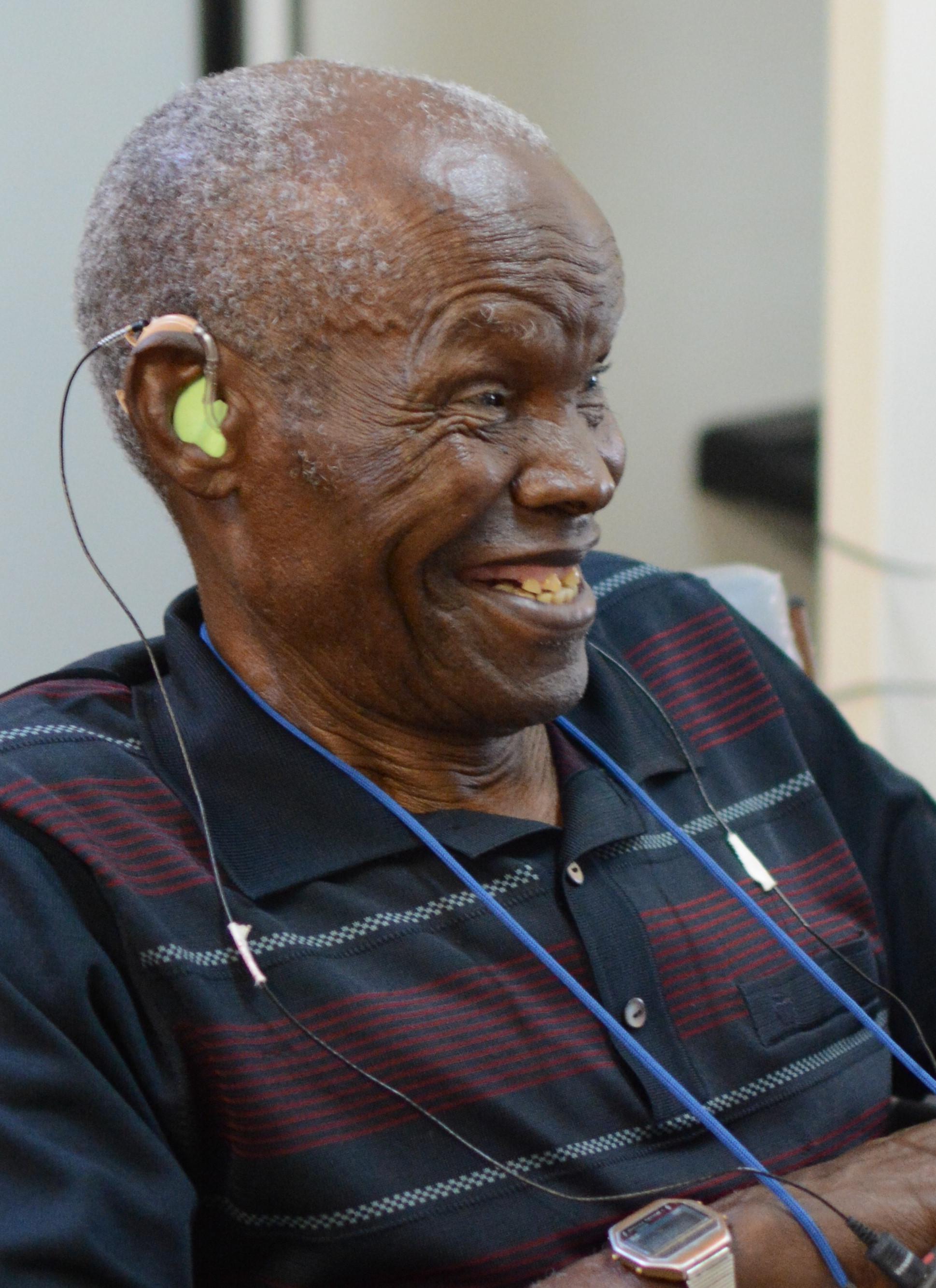
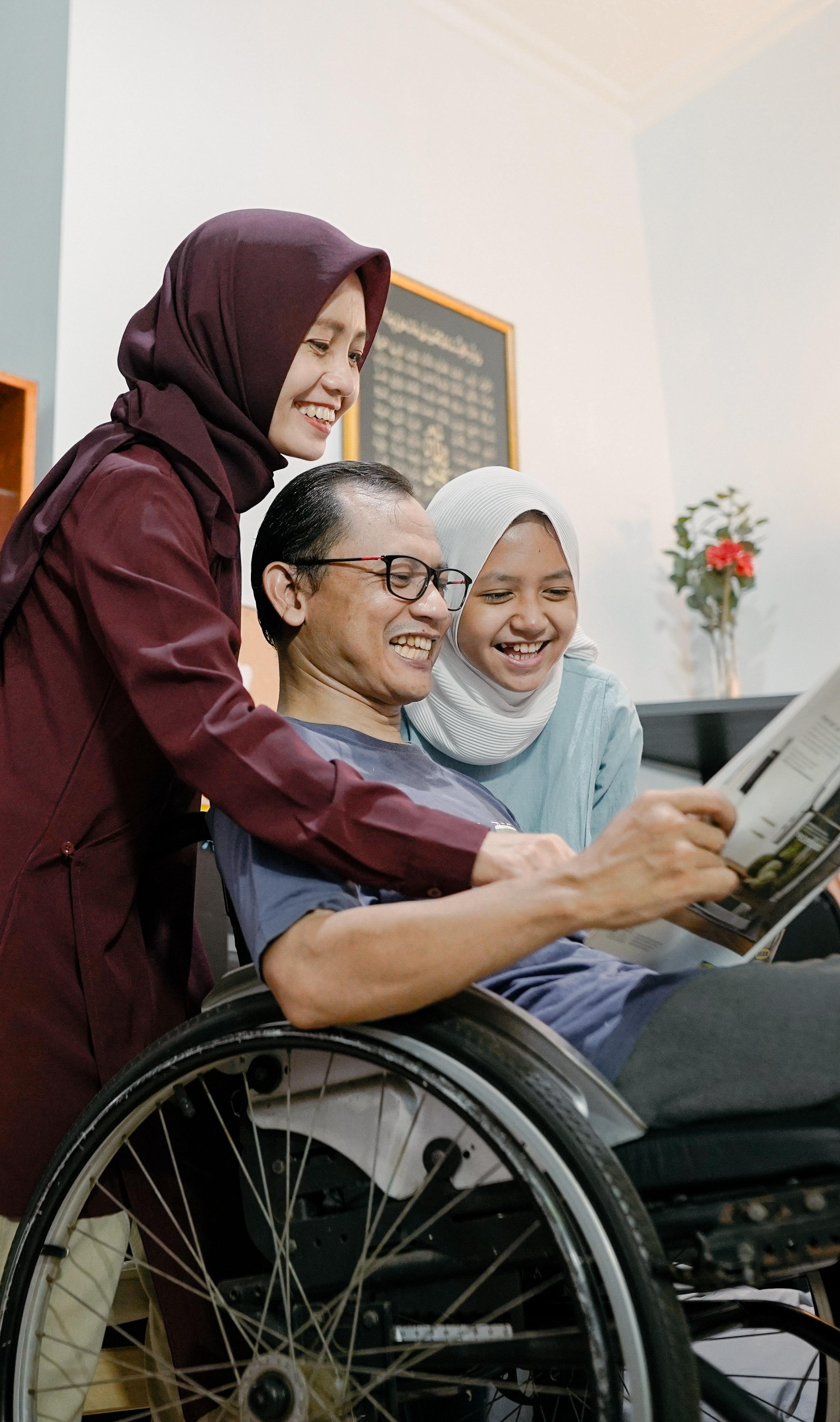
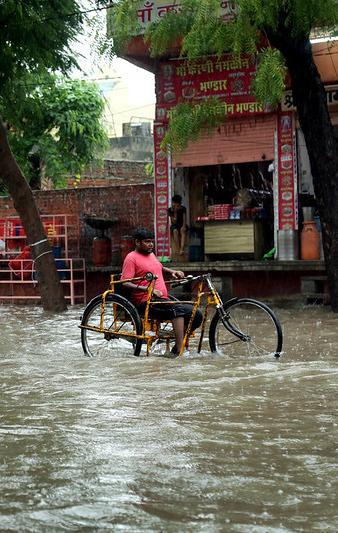
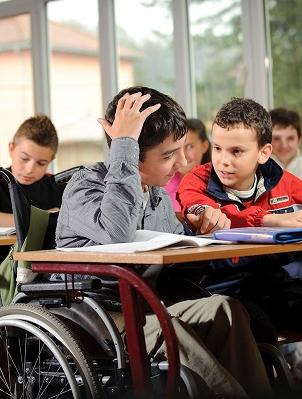
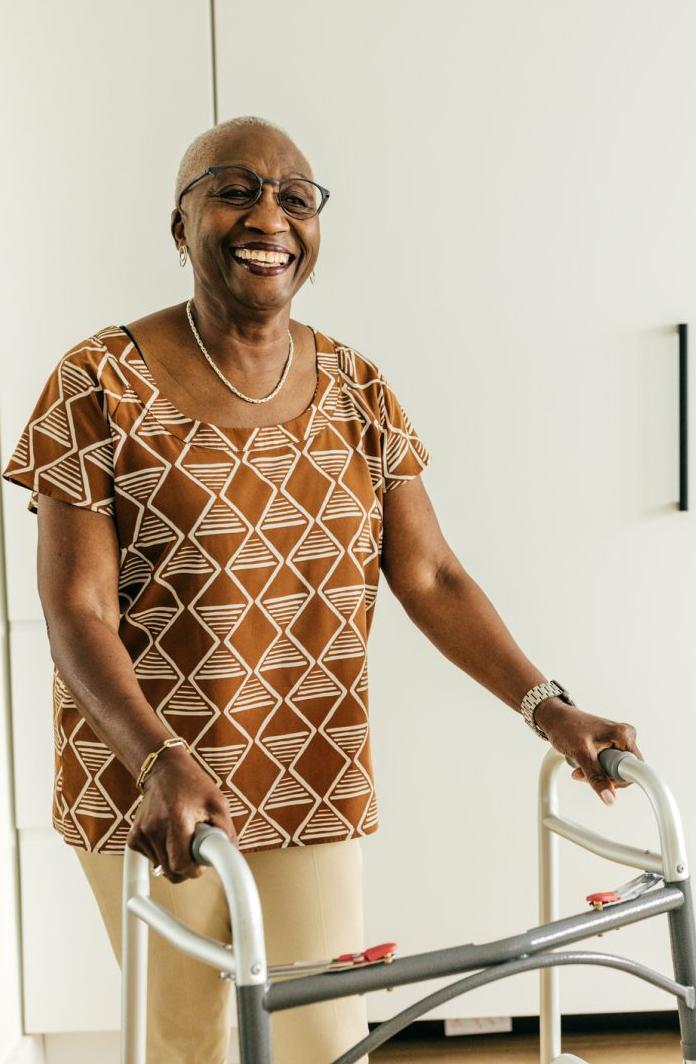
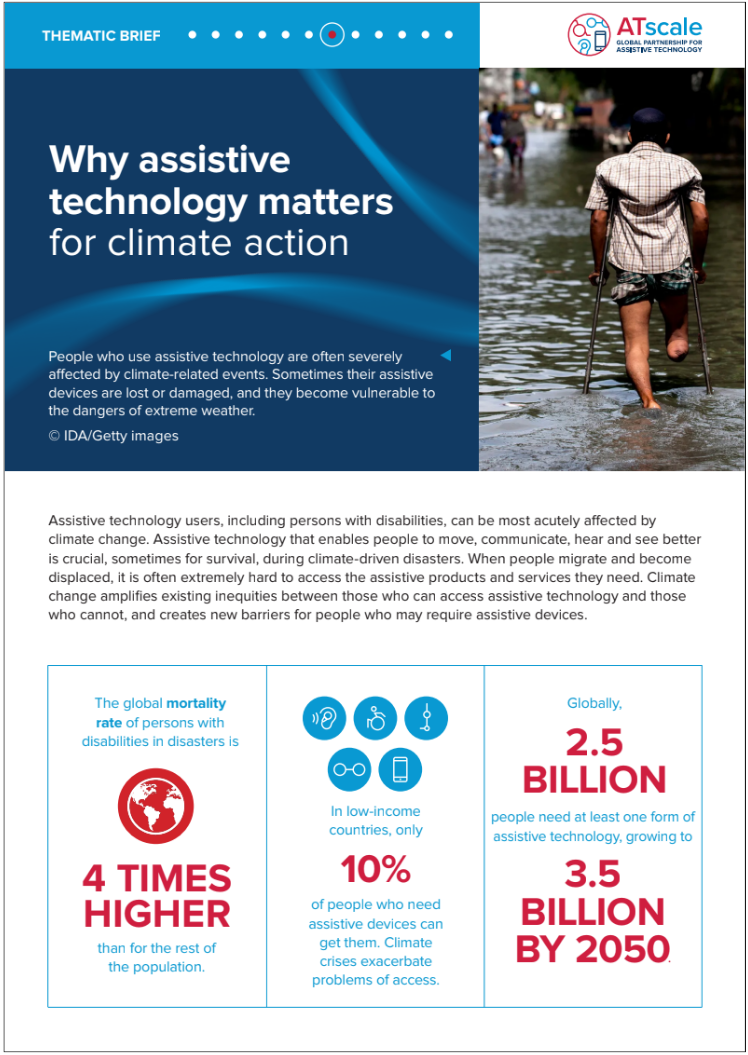
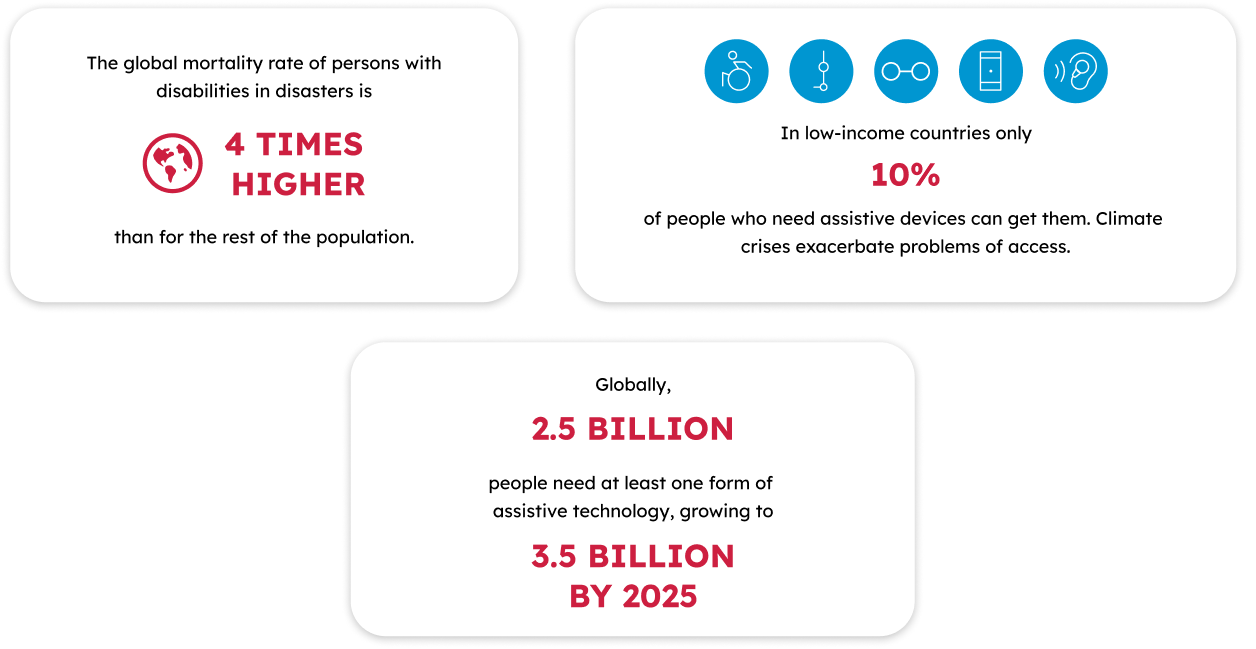
Assistive technology users, including persons with disabilities, can be most acutely affected by climate change. Assistive technology that enables people to move, communicate, hear and see better is crucial, sometimes for survival, during climate-driven disasters. When people migrate and become displaced, it is often extremely hard to access the assistive products and services they need.
Climate change amplifies existing inequities between those who can access assistive technology and those who cannot, and creates new barriers for people who may require assistive devices.
Why assistive technology matters for climate action
 | Climate justice depends on universal access to assistive technology. |
|
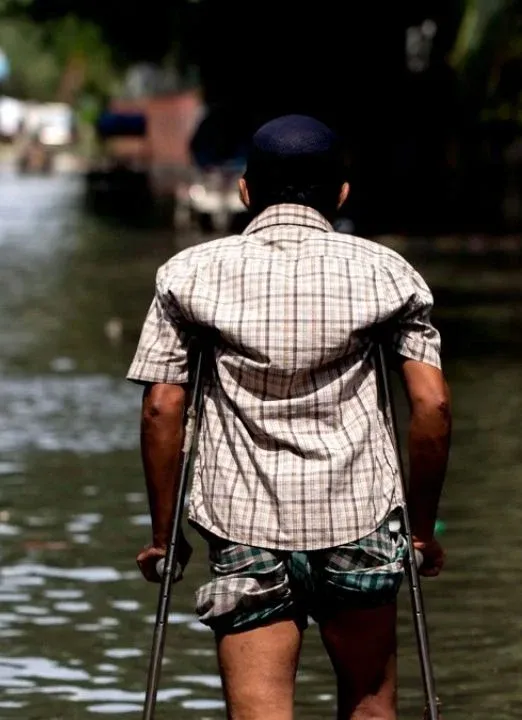
 | Extreme weather and disasters can damage assistive products and disrupt services | |
 | People who use assistive technology are often left out of emergency planning and response | |
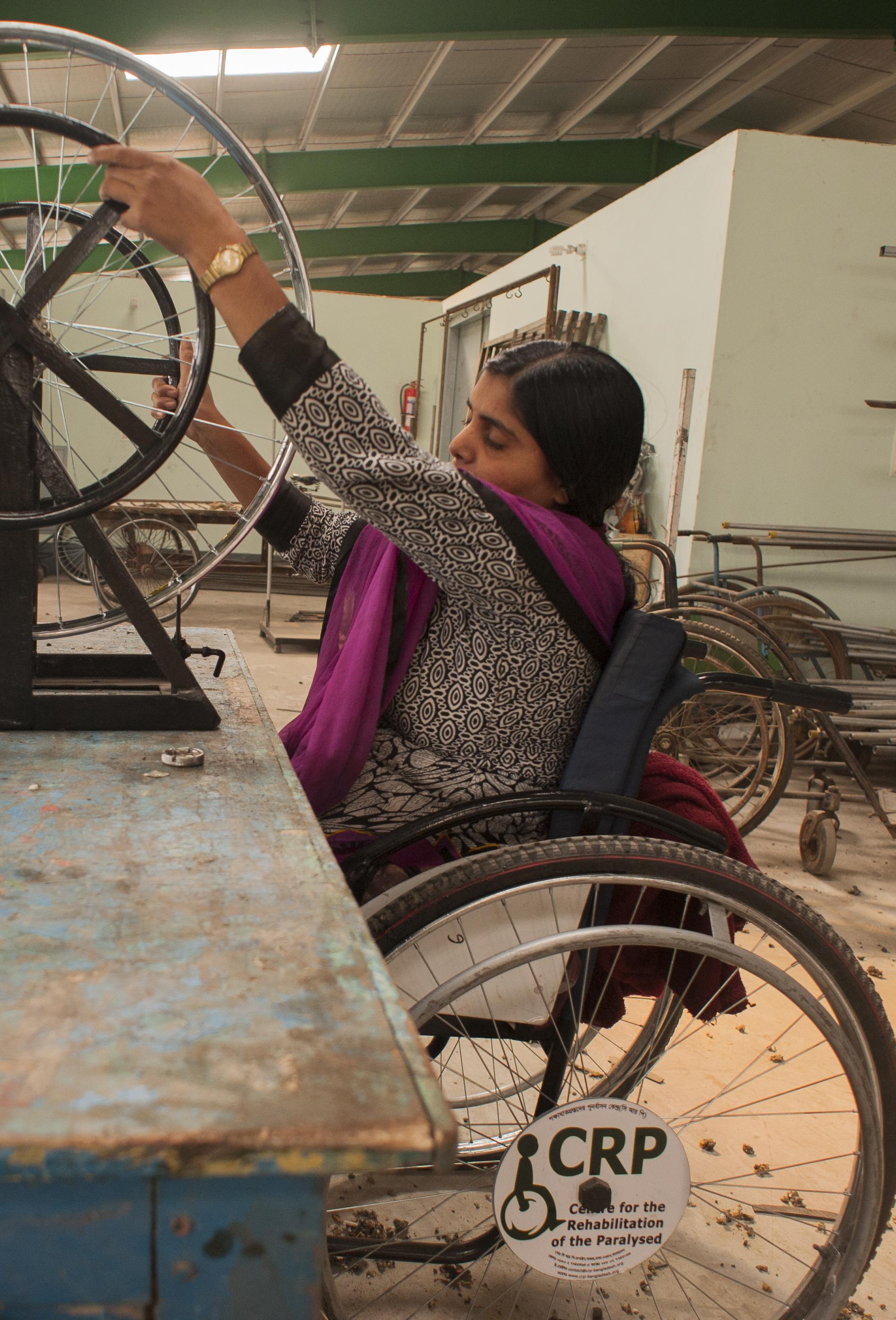
 | Local production of assistive products supports greener, more sustainable solutions |
Inclusion is key to realize the Sustainable Development Goals (SDGs) and leave no one behind. There will not be full inclusion while people are unable to access assistive technology. Assistive technology cuts across all 17 SDGs and is particularly relevant to some.