
Livelihoods
Together, let’s ensure access to assistive technology to support livelihoods
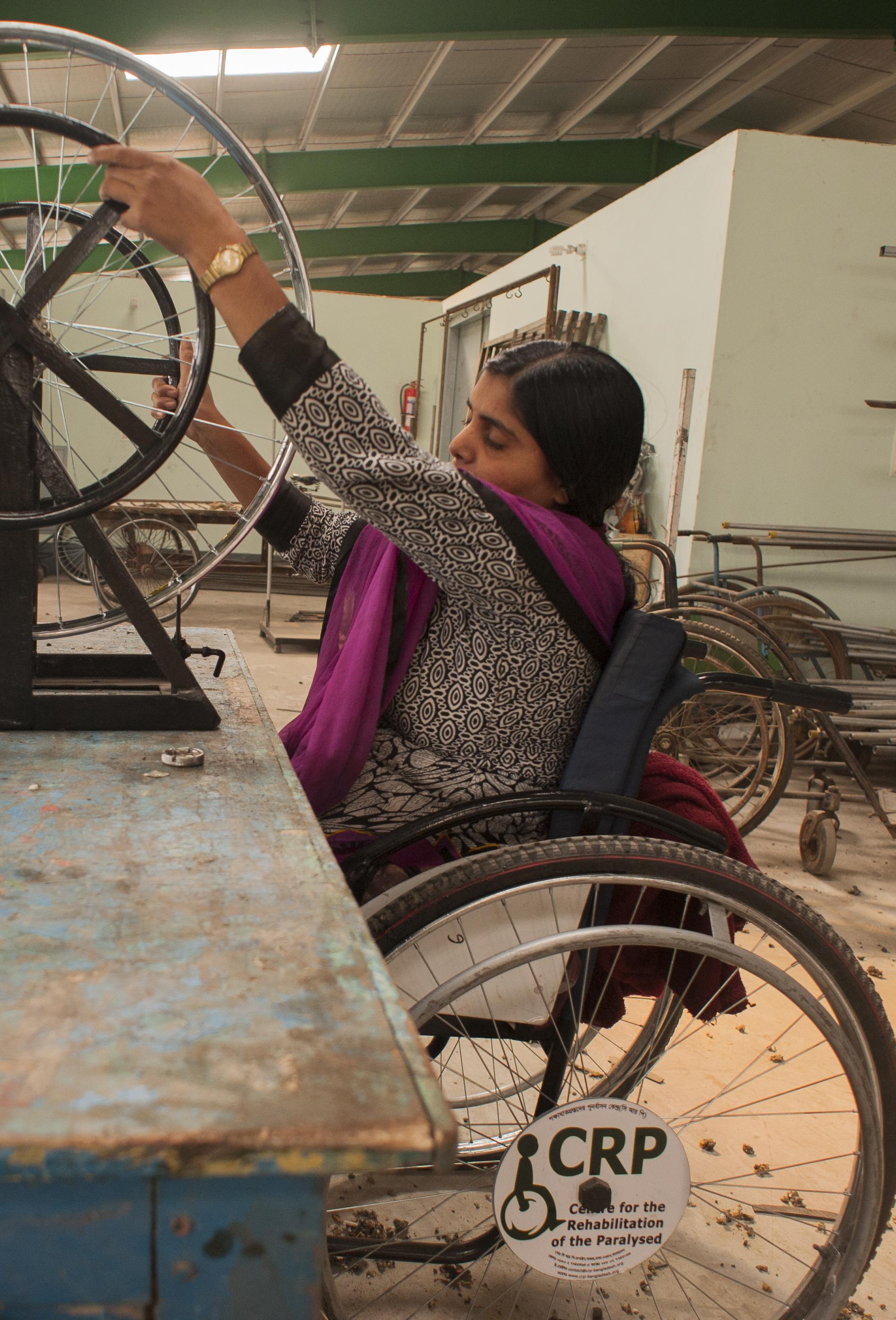
©David Constantine
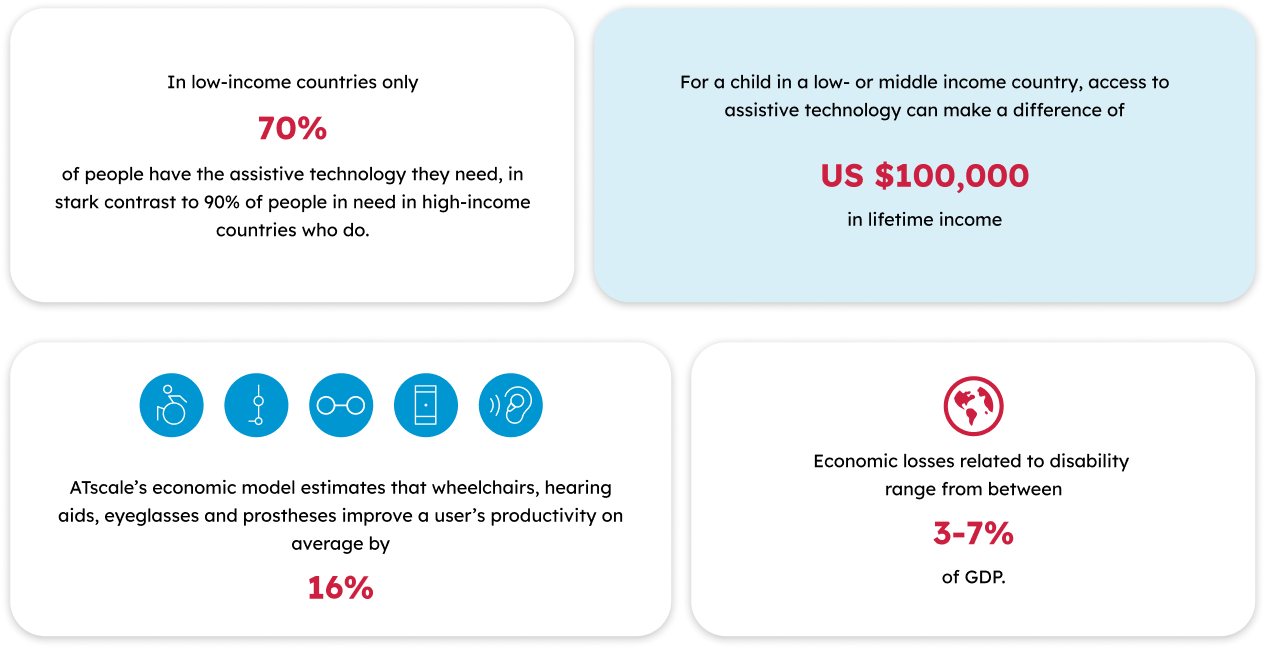
Access to assistive technology can make the difference between failure or success at school, between a job or unemployment, and between a life of opportunity or of dependency. Assistive technology is vital for livelihoods because it leads to improved educational outcomes among younger users, better paid employment and higher productivity among adult users, and the reduction of challenges caused by ageing.
Together, these factors can drive significant increases in lifetime income for assistive technology users and their families with ripple effects that accelerate national-level economic growth. Altogether, providing assistive technology to all who need it today would yield more than US$10 trillion in economic benefits over the next 55 years.
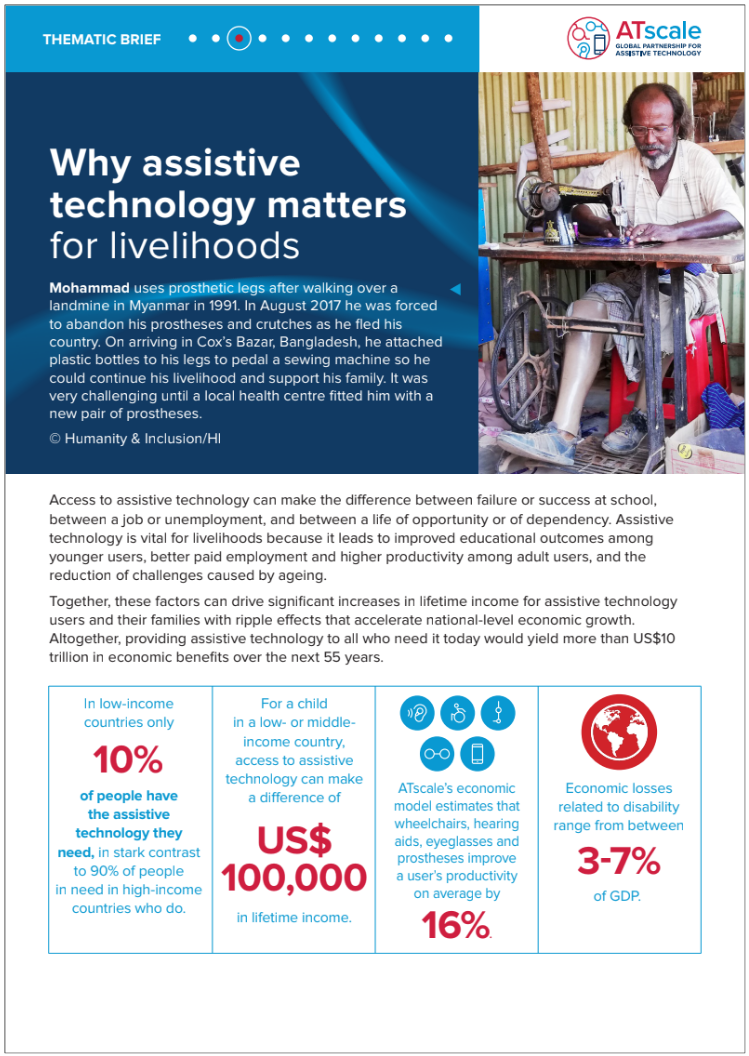
Why assistive technology matters for livelihoods
 | Assistive technology enables people to access better jobs and improve their productivity and income. |
|
 | Families gain more time, education opportunities, and livelihoods when their relatives have assistive technology. | |
 | Communities and economies grow stronger when everyone can access assistive technology. |
Inclusion is key to realize the Sustainable Development Goals (SDGs) and leave no one behind. There will not be full inclusion while people are unable to access assistive technology. Assistive technology cuts across all 17 SDGs and is particularly relevant to some.