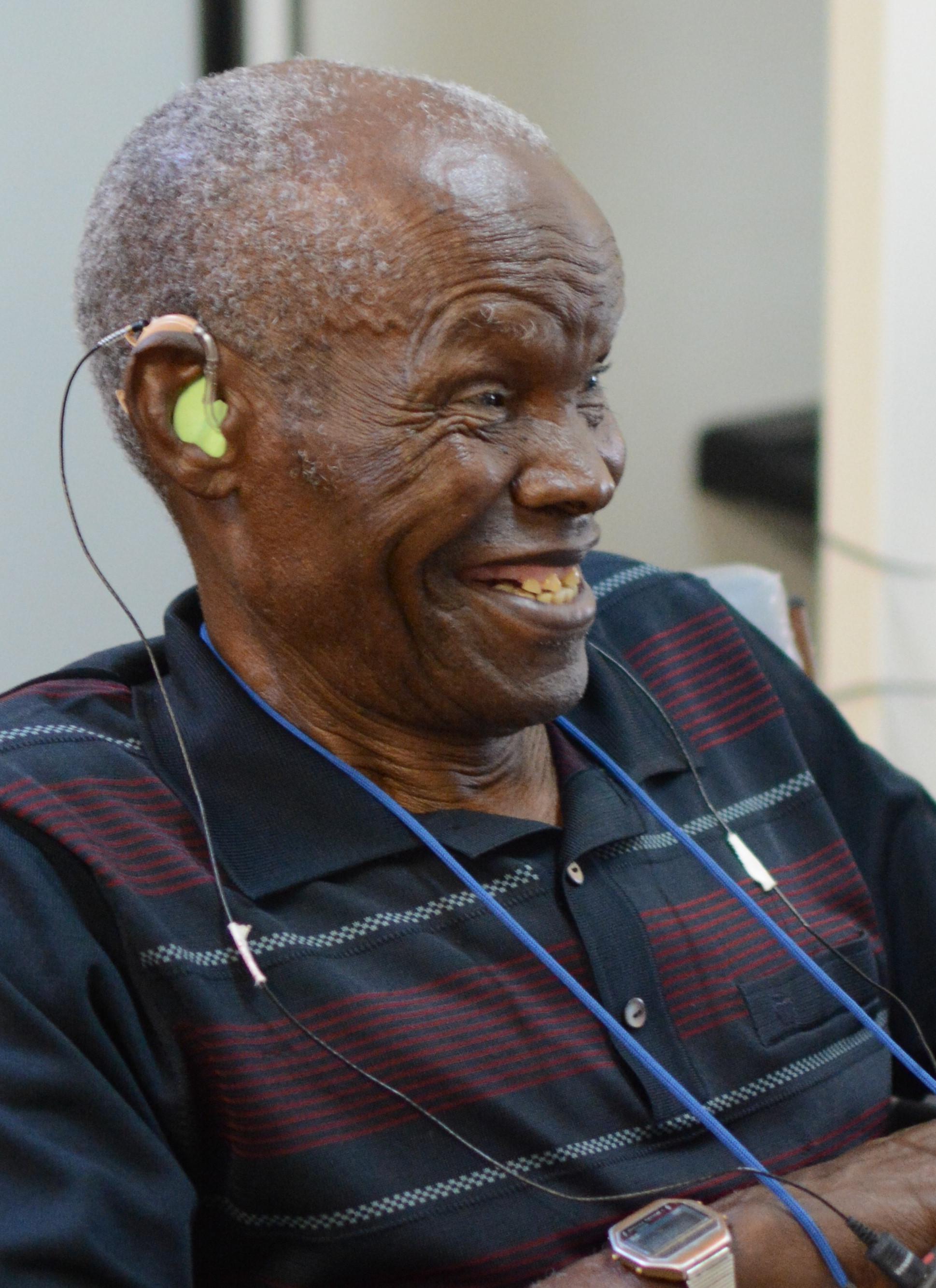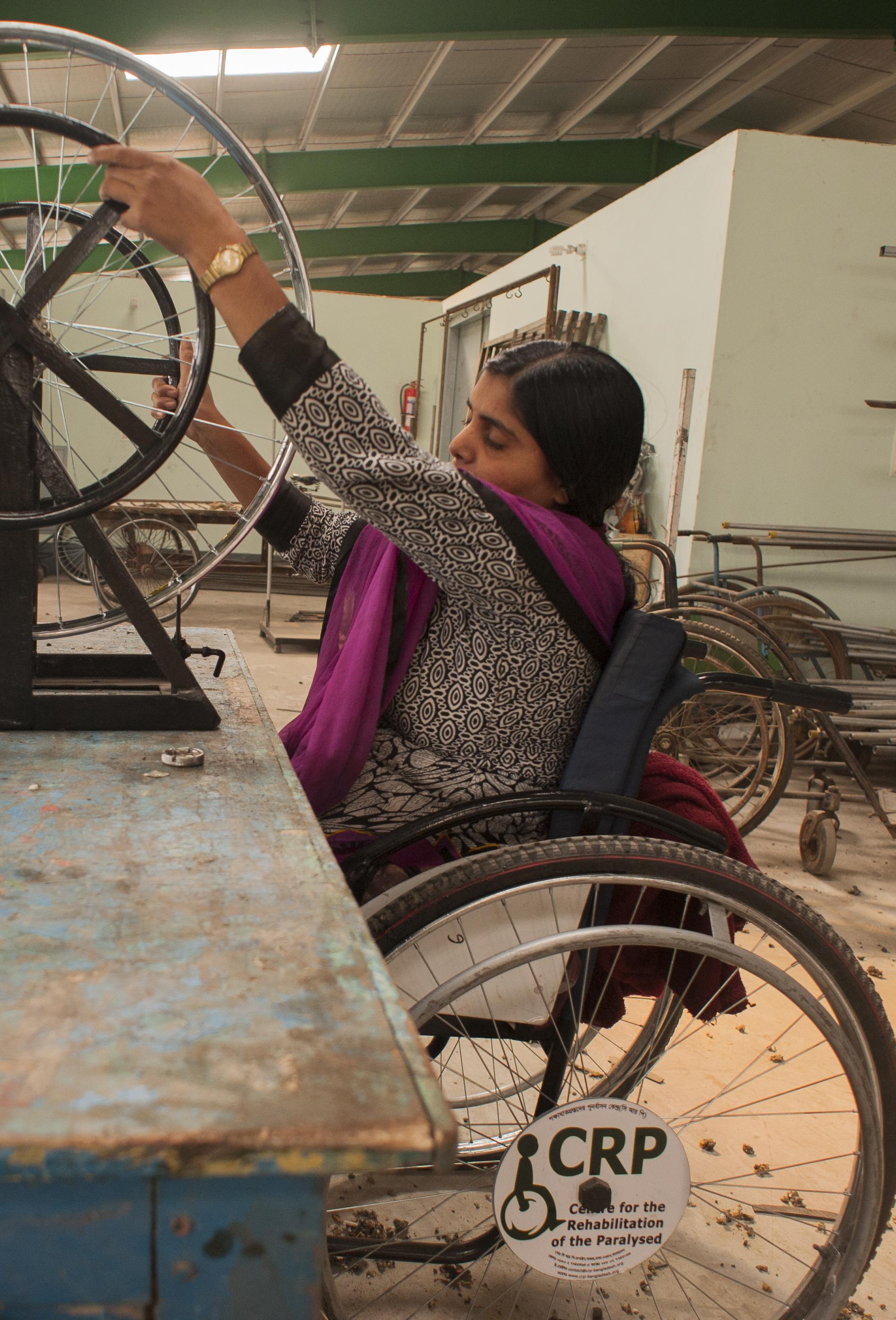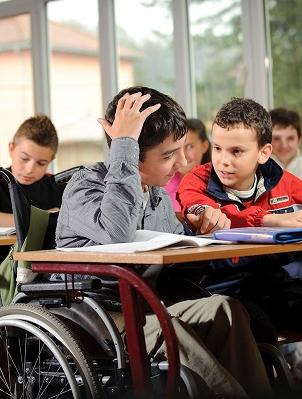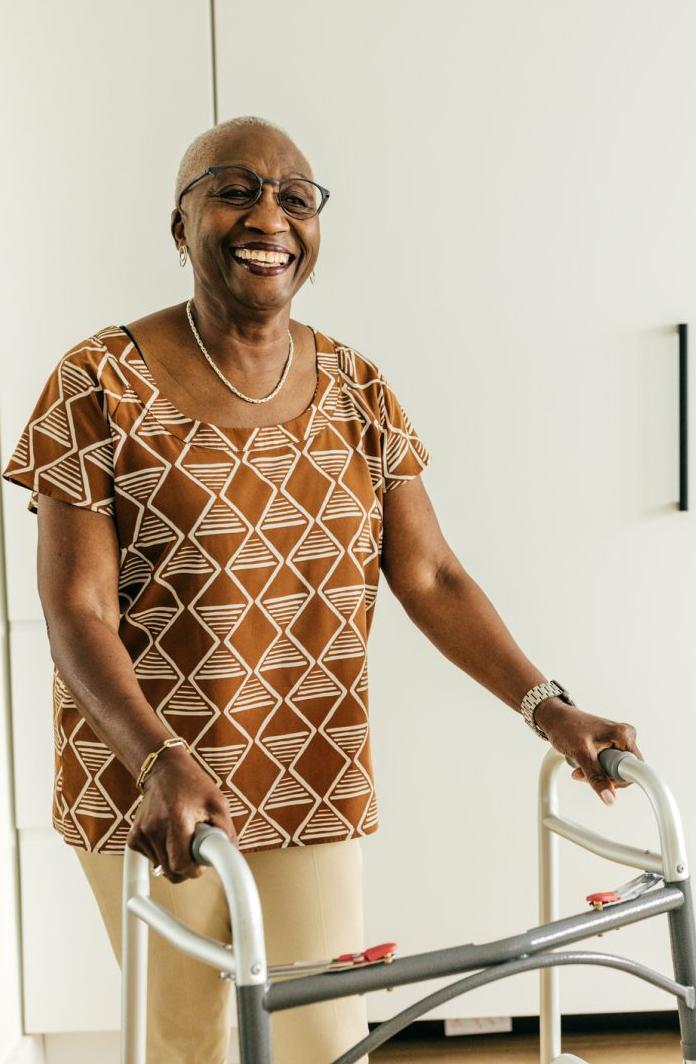
Why assistive technology matters for inclusive education
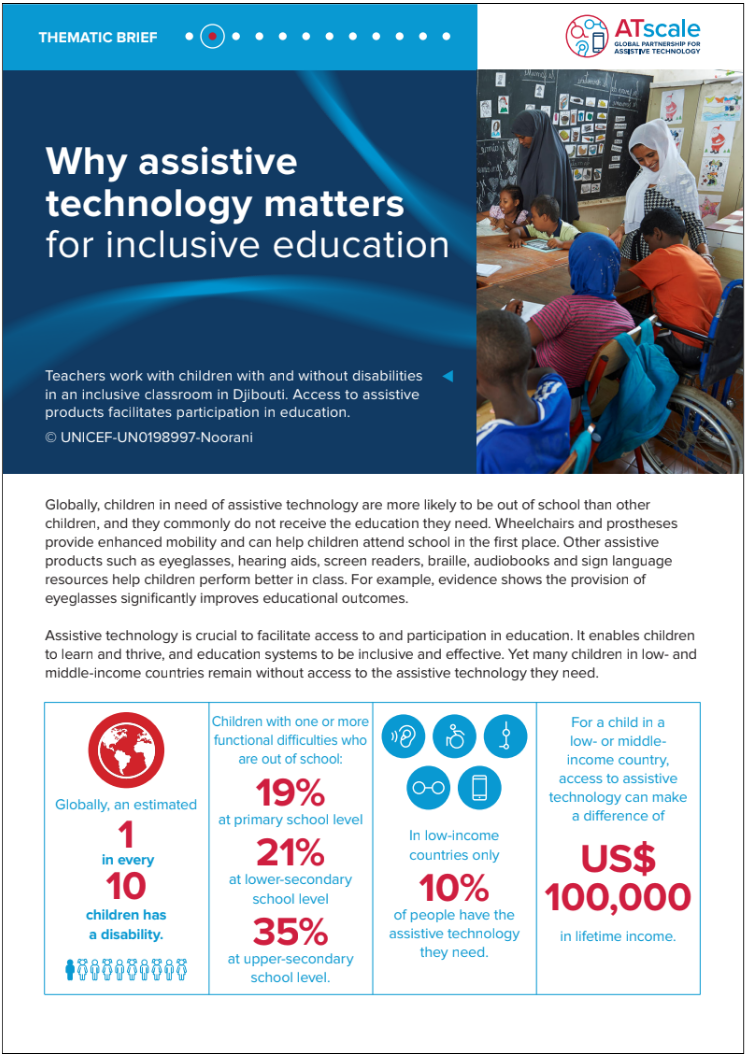
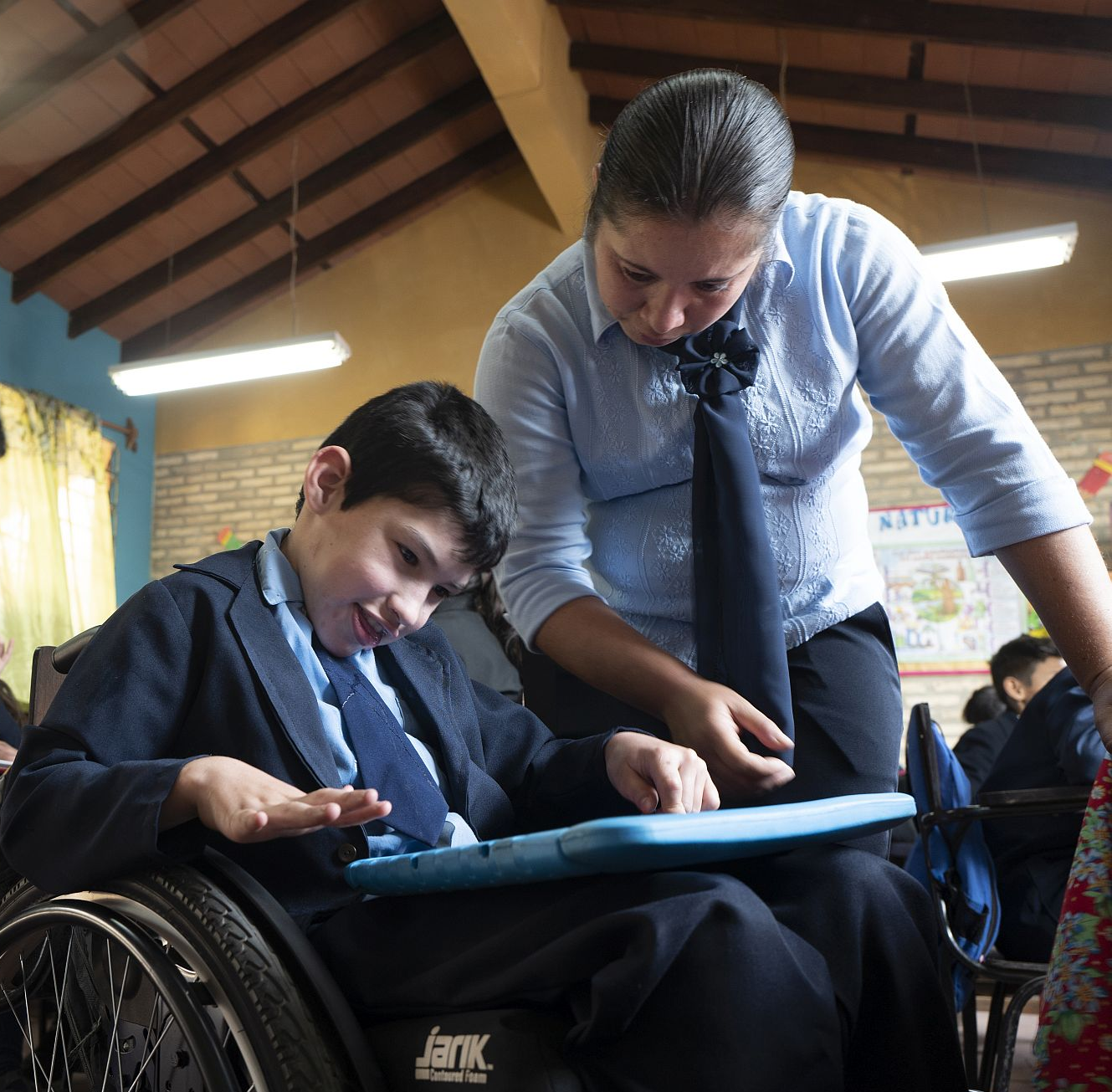
Globally, children in need of assistive technology are more likely to be out of school than other
children, and they commonly do not receive the education they need. Wheelchairs and prostheses
provide enhanced mobility and can help children attend school in the first place. Other assistive
products such as eyeglasses, hearing aids, screen readers, braille, audiobooks and sign language
resources help children perform better in class.
Assistive technology is crucial facilitating access to, and participation in, education. It enables children to learn and thrive, and education systems to be inclusive and effective. Yet many children in low- and middle-income countries remain without access to the assistive technology they need.
A series of thematic briefs explain the cross-cutting nature of assistive technology and why assistive technology matters for various sectors.
The aim of the series is to advocate the inclusion of assistive technology considerations in cross-sectoral strategies and operational plans at national level, and in global policies and guidance; to encourage other sectors to consider the significant role assistive technology plays in helping them achieve their own goals, especially for inclusion and equity, and to make a clear link with the relevant Sustainable Development Goals (SDGs).
We expect them to be read by donors, partners, policy makers, AT experts, advocates and practitioners, and all those interested in equity, universality and achieving the SDGs
Click on each image below to download the briefs in English, French, Spanish, and accessible versions to discover why assistive technology matters.