Systems strengthening for assistive technology: assistive products
What is systems strengthening for assistive technology?
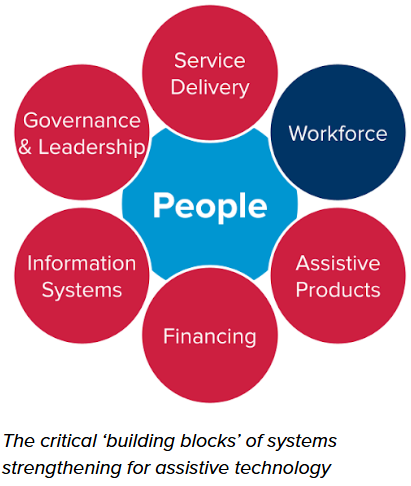
Access to assistive technology relies on an effective system built on key interconnected building blocks: governance and leadership, financing, service delivery, workforce development, assistive products, data and information systems, all centered around people. Strengthening the assistive technology system requires coordinated investment in each of these building blocks to enhance their capacity and ensure they function efficiently and cohesively. System strengthening lies at the heart of ATscale’s country investments, tailored to specific national contexts.
What are the key challenges?
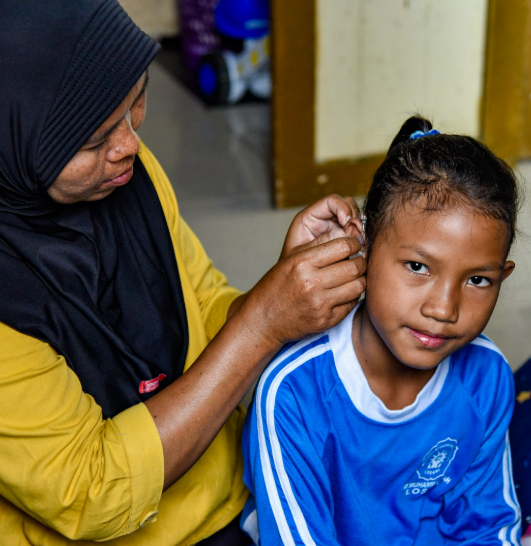
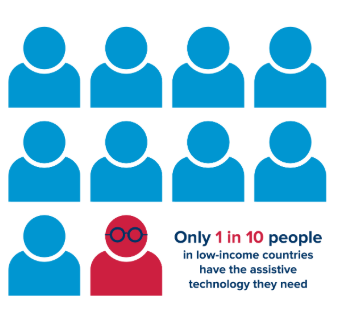 Worldwide, more than 2.5 billion people need one or more assistive products, such as wheelchairs, hearing aids, prostheses, spectacles or digital assistive technology. This number is expected to rise to 3.5 billion in 2050.
Assistive products are difficult to access in low- and middle-income countries due to several factors, including high costs, limited supply and poor environmental suitability. Where products are available, they may be of poor quality due to insufficient or a lack of testing and limited technical standards, making them unsuitable for use and likely to have a short lifespan.
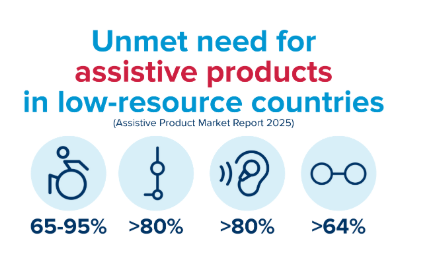
The price of assistive products is often prohibitive to those who need them, driven up by tariffs and taxes such as customs duties, import taxes and VAT. Poor supply is compounded by limited investment in local manufacturing, meaning people are reliant on imported products.
There are frequently limited product options in low-resource settings due to limited investment in innovation to address context-specific needs, with available products unsuitable for use due to factors such as the climate or environment. Refurbishment and recycling services are also scarce, meaning some still-usable products are improperly discarded.
In humanitarian settings, assistive products are an essential part of the emergency and recovery response, enabling access to other essentials such as food, shelter, water, sanitation and hygiene services. Need is often increased due to both the loss of existing assistive products and services and newly acquired impairments or injuries that require assistive technology use. However, assistive technology is often not prioritized in these situations or considered in emergency preparedness and planning.
How does ATscale address these challenges?
ATscale supports both national and global efforts to improve access to high-quality, affordable, appropriate assistive products in low- and middle-income countries, working with users, governments, service providers, manufacturers, researchers and other stakeholders.
Pooled procurement, where multiple buyers combine their purchasing power to secure better prices for products, is used to reduce the cost of assistive products by buying in bulk to alleviate the economic burden, including import tariffs and shipping costs. This allows higher quality, thoroughly tested devices to be purchased more easily.
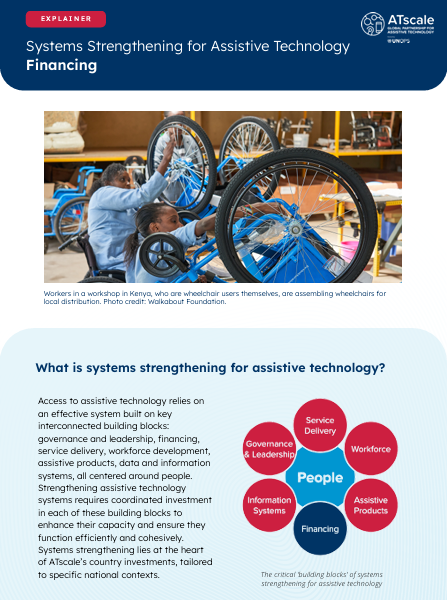
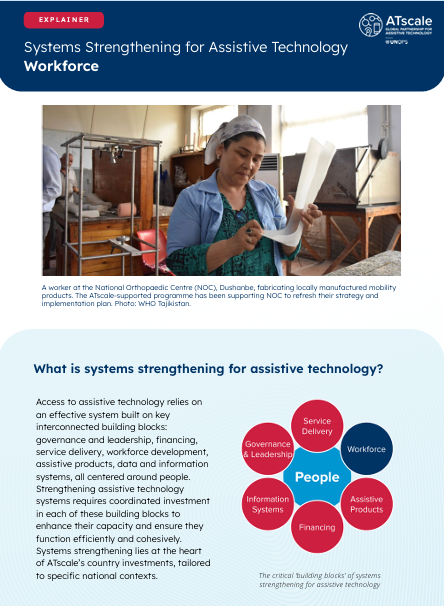
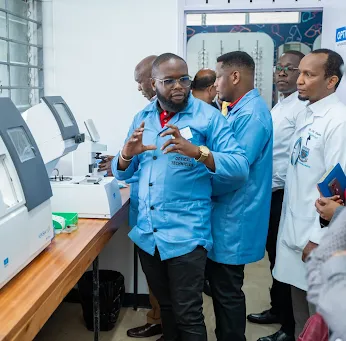
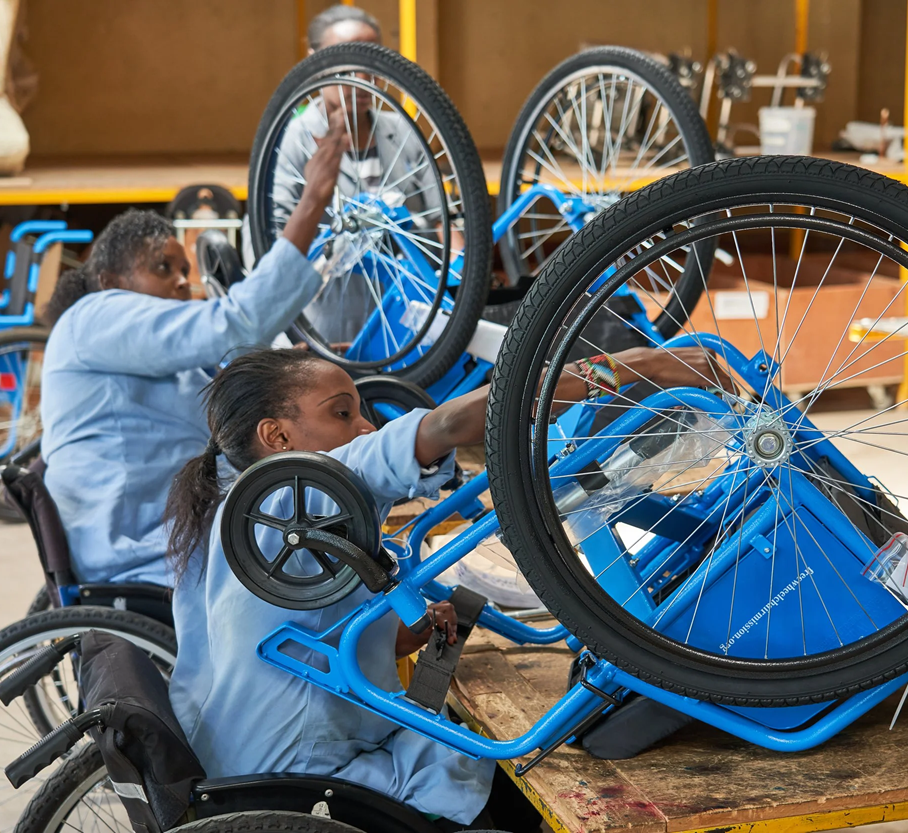
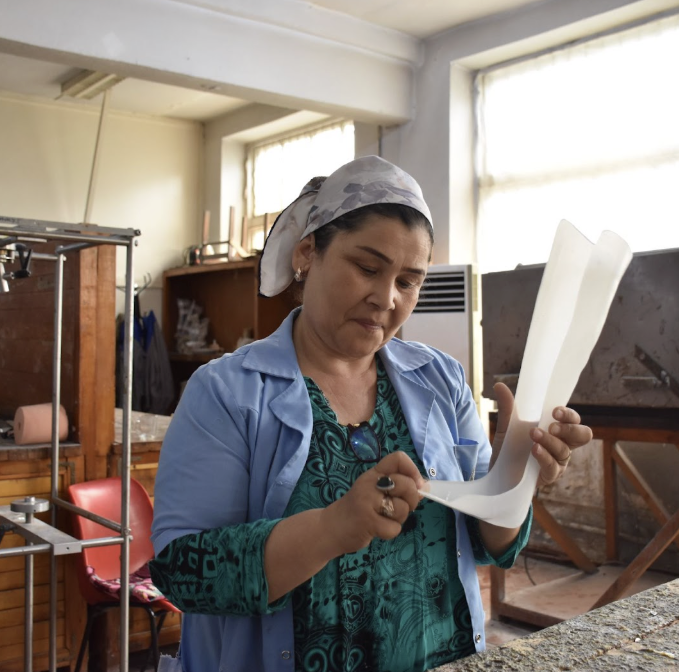
ATscale also invests in and promotes local production of assistive products where feasible. In addition to improving the reliability of the supply chain, it also supports the development and implementation of policies to minimise import costs and create local jobs. To address issues of product suitability, ATscale is investing in innovations in both the design and manufacture of assistive products, including wheelchairs suitable for rugged terrain and novel prosthesis-fitting technologies.
For humanitarian settings, ATscale has created a pre-positioning programme for the rapid deployment of assistive products, in collaboration with and at the request of organisations on the ground, ensuring vital products are available within days.
Stories of impact
Togo - ATscale has supported the African Organization for the Development of Centers for People with Disabilities (OADCPH) in developing a regional hub in Togo to serve Western Africa, including pooled procurement, supply, local assembly, recycling and reuse of assistive products that are still suitable for use. The hub is operated by technical experts and also operates an online shop that allows transparent pricing and procurement of good quality assistive products across Western Africa and beyond.
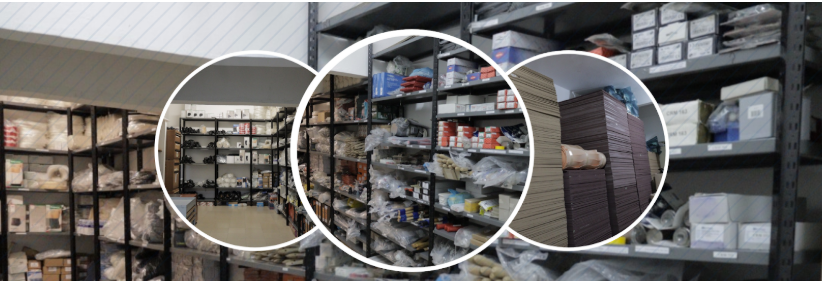
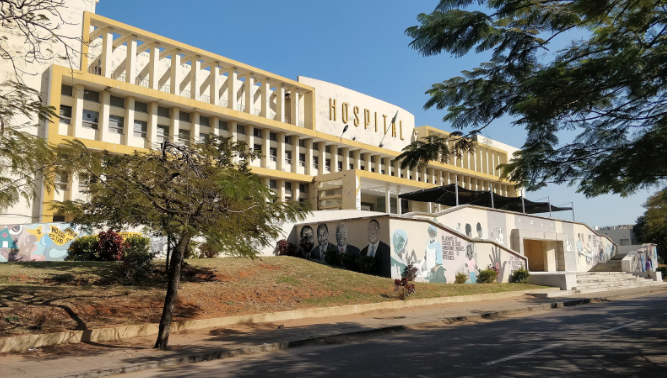
Mozambique - ATscale supported the Orthopedic Center of Hospital Central de Maputo, Mozambique, to invest in new equipment to boost local production of customized mobility products. This strengthened local capacity and resulted in a more sustainable supply of assistive products. Local production not only reduced costs, but also fostered self-reliance and created job opportunities.
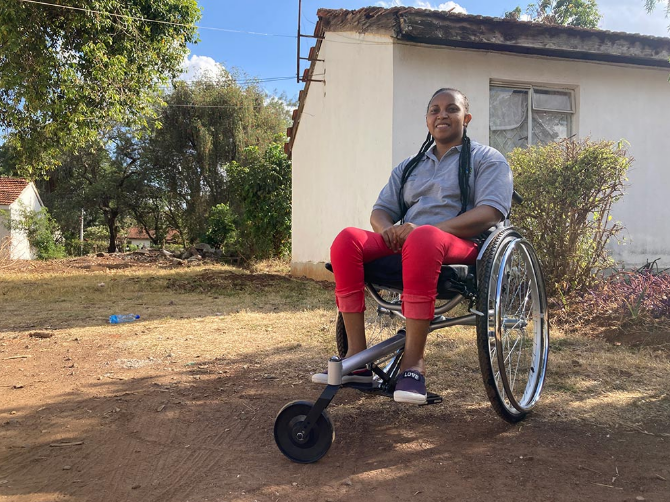
Kenya - In Kenya, ATscale has invested in Motivation UK and Motivation Kenya’s Made AT Kenya project to design and locally manufacture a wheelchair suitable for the environmental demands of Kenya and other rural or remote settings. The Imara wheelchair, meaning strong in Swahili, was co-designed with users to be appropriate for all adults and easily repairable using parts readily available in-country, and are currently in production in Kenya.
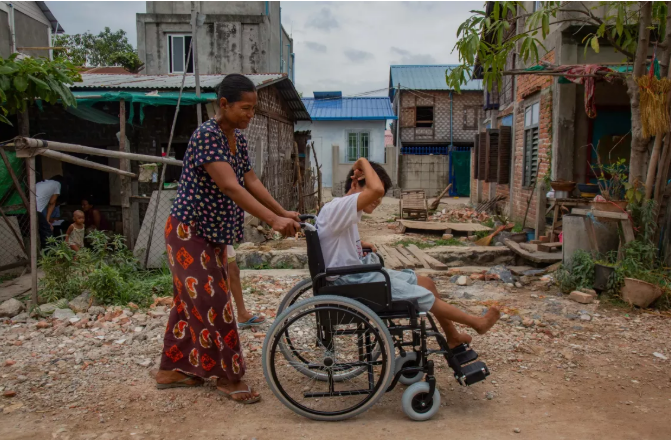
Myanmar - ATscale’s assistive product pre-positioning programme was developed with global experts to form part of the humanitarian emergency and recovery response for people affected by crises, including displaced persons and refugees. Following the earthquake in Myanmar in March 2025, UNICEF and its partners, supported by ATscale, deployed four AT kits containing over 2,000 assistive products to benefit thousands of adults and children displaced by the earthquake.