Systems strengthening for assistive technology: financing
What is systems strengthening for assistive technology?
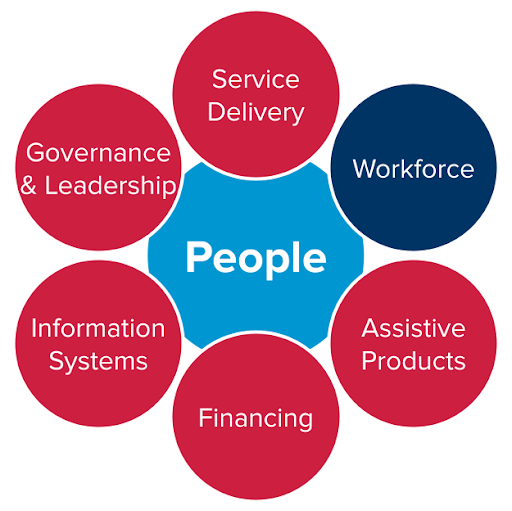 Access to assistive technology relies on an effective system built on key interconnected building blocks; governance and leadership, financing, service delivery, workforce development, assistive products, data and information systems, all centered on people. Strengthening assistive technology systems requires coordinated investment in each of these building blocks to enhance their capacity and ensure they function efficiently and cohesively. Systems strengthening lies at the heart of ATscale’s country investments, tailored to specific national contexts.
What are the key challenges?
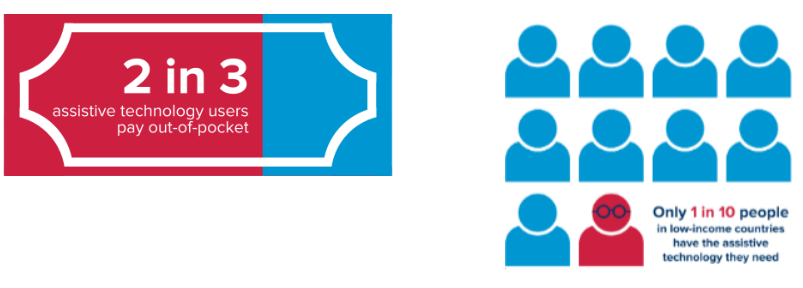
Worldwide, more than 2.5 billion people need one or more assistive products, such as wheelchairs, hearing aids, prostheses, spectacles or digital assistive technology. This number is expected to rise to 3.5 billion in 2050.
Lack of financing for assistive technology is one of the key barriers to access. Assistive products and services are usually costly, while users are often financially fragile population groups. In addition, these costs are not one-time, but recur throughout an individual’s lifetime.
A key challenge in financing assistive technology in low- and middle-income countries is the lack of adequate, predictable and stable public funds dedicated to national assistive technology programmes. Current public financial resources are limited and the fiscal space is expected to shrink further. In most countries assistive technology programmes are relatively new or neglected areas, and are often fragmented across health and social sectors. As a result two in three people use their own money for assistive technology, which has multiple negative consequences, such as forgone use and financial hardship for households.
How does ATscale address these challenges?
ATscale supports adopting policies and mechanisms to improve affordable access to assistive products and services to all those in need. Determining these optimal financing strategies is done by considering the context, needs and objectives of assistive technology users, service providers and governments. In most countries, the main objectives of financing assistive technology can be defined as follows:
- Assistive product procurement and utilization without financial hardship for households.
- Needs-based distribution of assistive technology provision in the population.
- Efficient use of national resources in assistive technology provision.
- High quality products and services.
With constrained budgets, ATscale supports government partners in making informed decisions on financing assistive technology, making the most efficient use of resources and realizing equitable coverage nationally. This can include strategies such as prioritization and safeguarding assistive technology in national budgets and insurance structures, health taxes on harmful consumption ear-marked for assistive technology, pooled procurement and public-private partnerships on innovative products or payment methods.
Stories of impact
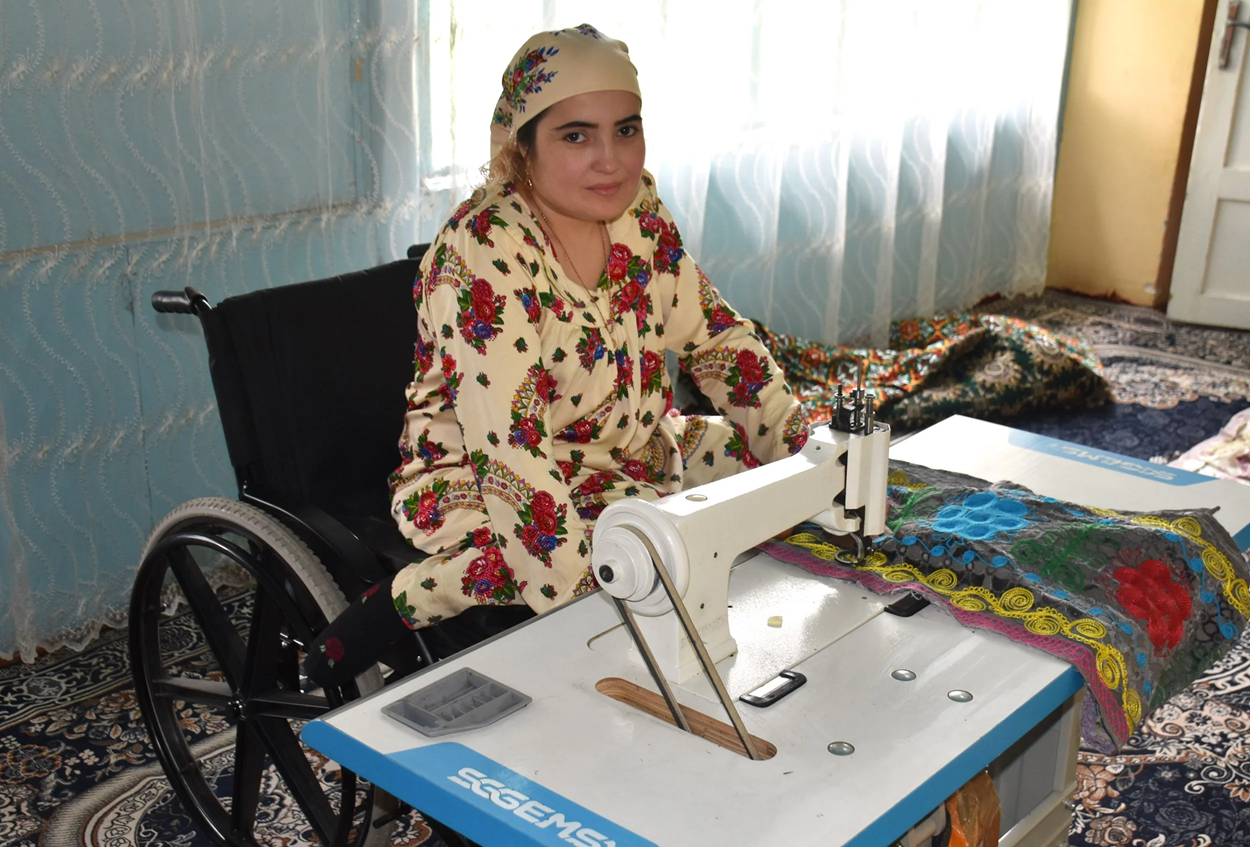
Azerbaijan, Georgia and Tajikistan are making significant strides towards strengthening access to assistive technologies, through targeted policies and strategies and dedicated steering committees, with technical and financial support from ATscale. All three countries have worked to increase their assistive technology budget:
- Azerbaijan - 31per cent increase from 2022 to 2024
- Georgia - 31 per cent increase from 2023 to 2025
- Tajikistan - 324 per cent increase from 2019 to 2025
In Azerbaijan, the government covers all of the initial cost of wheelchairs, eyeglasses and hearing aids for registered persons with disabilities. Advocacy is underway for a broader, more inclusive approach to assistive technology budgeting, extending beyond those with formal disability certification to include older persons and individuals with functional limitations. In Georgia, the increase in funding has allowed the government to fully cover the cost of paediatric wheelchairs, electric wheelchairs and hearing aids, with only a small co-payment applying to select adult groups for manual wheelchairs.
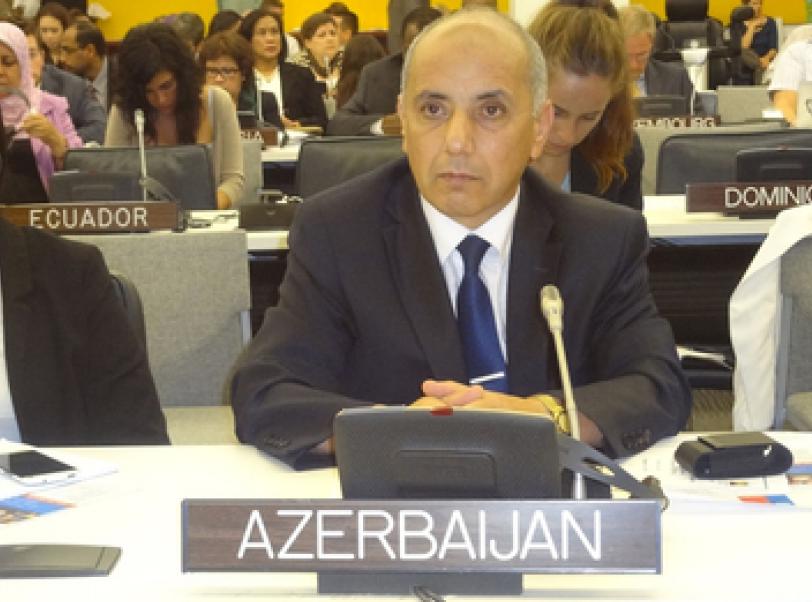
Most of us face financial hardship. Assistive products must be both affordable and easily accessible. We need to be recognized not just as users, but as experts in our own right.
Davud Rahimli, president of the Azerbaijan Union of Disabled People Organizations
Zimbabwe - through ATscale’s foundational support, the Government of Zimbabwe conducted a thorough cost-benefit analysis of import tax on assistive products, and discovered that ongoing regulations were conflicting and ultimately hindering those in need of assistive products. The government amended the VAT regulations in 2024 and removed import tax on essential assistive products such as hearing aids, braille materials and crutches, reducing the financial burden of accessing these products.
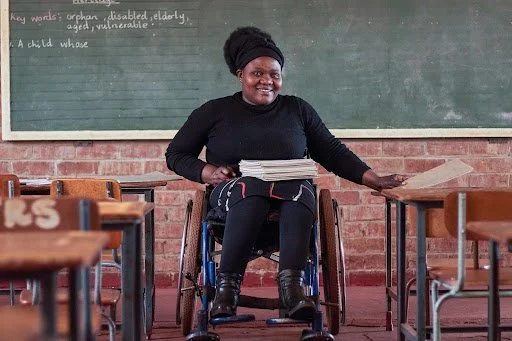
“It was agreed that we can forgo that revenue [from taxes on assistive products], especially looking at the interventions that the government was going to do in other aspects, like social welfare, if people with disabilities don't get the equipment that they require in order to improve their lives.” Julianah Munongi-Chikwanda, Technical Manager Customs and Excise, Zimbabwe Revenue Authority