
Assistive Technology and International Trade: Focus on select African countries
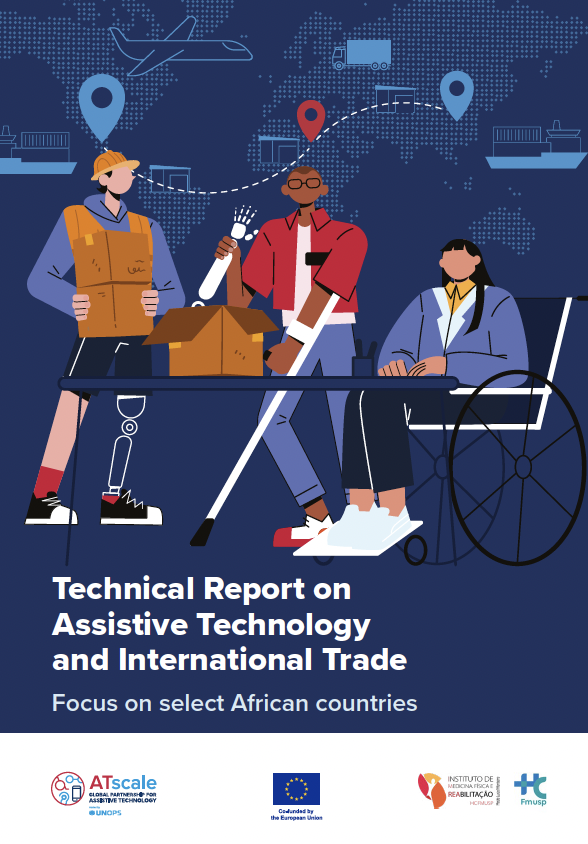
Across Africa, over 200 million individuals—including millions of older persons and people living with chronic health conditions—need assistive products to live, work, and fully participate in society. Assistive technology (AT), which encompasses essential devices like wheelchairs, hearing aids, prostheses, orthoses, and spectacles, plays a crucial role in enhancing independence and promoting human dignity. However, only a small fraction of those in need currently have access to these life-changing products.
In Africa, individuals depend heavily on external markets, with intraregional trade accounting for a mere 3.6% of total imports between 2016 and 2023.
This critical study maps the complex landscape of trade flows, import tariffs, and local taxes in the African continent, with a deep dive on five select countries (Chad, Egypt, Kenya, Mozambique, and the Republic of the Congo) to uncover the structural barriers restricting supply and affordability along the import-to-distributor pathway.
The findings reveal that assistive products face a disproportionately higher statutory tax and tariff burden than other essential health goods, largely because they are rarely classified as essential commodities. For instance, while hearing aids and wheelchairs often benefit from lower duties on paper, spectacles are routinely treated as standard consumer items, facing import tariffs of up to 30% and an average continental tariff of 8.4%. Compounding these high statutory rates are systemic non-tariff barriers: ambiguous tariff classifications, extensive administrative discretion, and lengthy, bureaucratic exemption procedures mean that rates "on paper" rarely reflect on-the-ground realities.
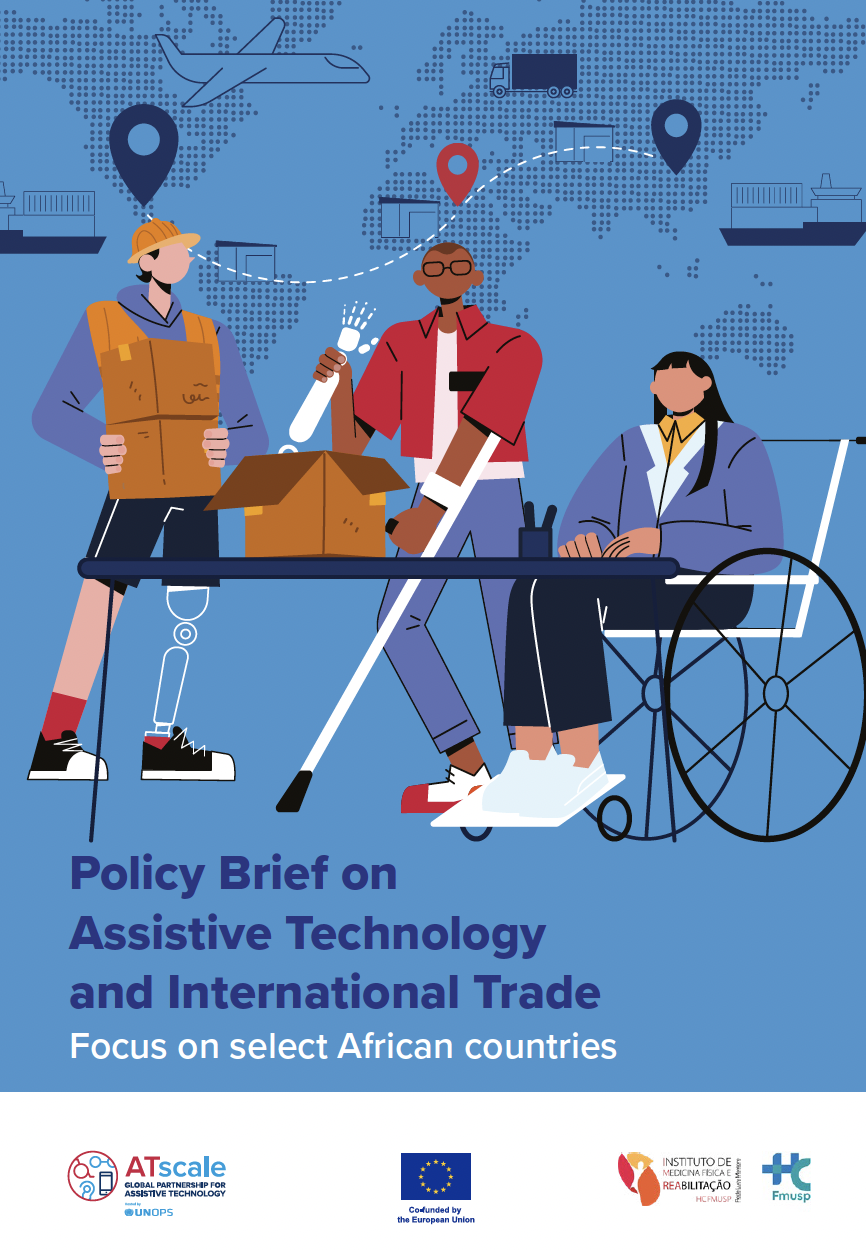
In practice, complex custom clearances, weak institutional coordination, and high transportation expenses create severe bottlenecks—adding up to 59.5% in layered costs alone and driving final prices to 1.6 times the ex-factory value. To bridge this policy-to-practice gap, this document and its accompanying policy brief outline a practical roadmap for reform centered on eight actionable, data-driven recommendations.
These include increased evidence, reduction of tariffs and taxes where feasible, introduction of detailed HS codes, designation of assistive products as essential goods, and increased training, coordination, and awareness-raising among key national stakeholders. Eventually, only through a coordinated, cross-sectoral approach can we guarantee affordable, equitable access for millions who need AT across the life course.
Webinar materials
Webinar video is available in English, Spanish, French and Portuguese
Download slides. Webinar transcripts are available here in the following languages: Arabic, Chinese, English, French, Russian and Spanish.