
KENYA
Accelerating access to assistive technology in Kenya
©ATscale/Carlisto Ochieng
COUNTRY PROGRAMME KEY INFORMATION

Programme type:
Grant Investment:

Duration:

Implementing
Partners:
Partners:

Functional domains:
Scale-up
7.5 Million
2022-2028
Clinton Health Access Initiative (CHAI)
Mobility, Vision
COUNTRY DEMOGRAPHIC INFORMATION

Total population:

GNI Per Capital (US$):

AT Unmet Need (%):
55.3 Million
2,115
81.6%
Accelerating access to assistive technology in Kenya

Map of Kenya
Objectives of the programme: To improve access to assistive devices for individuals with functional difficulties, through a five-year National Rehabilitation and Assistive Technology Strategy, with activities spanning mobility, vision and hearing, and with a cross-cutting focus on strengthening systems for the sustained provision of essential assistive products like mobility aids, spectacles, low-vision aids and hearing aids. The programme is anchored in the Ministry of Health, a National Programme Committee comprising intersectoral ministries, United Nations agencies. Civil society representatives lead and oversee the programme.
Programme results:
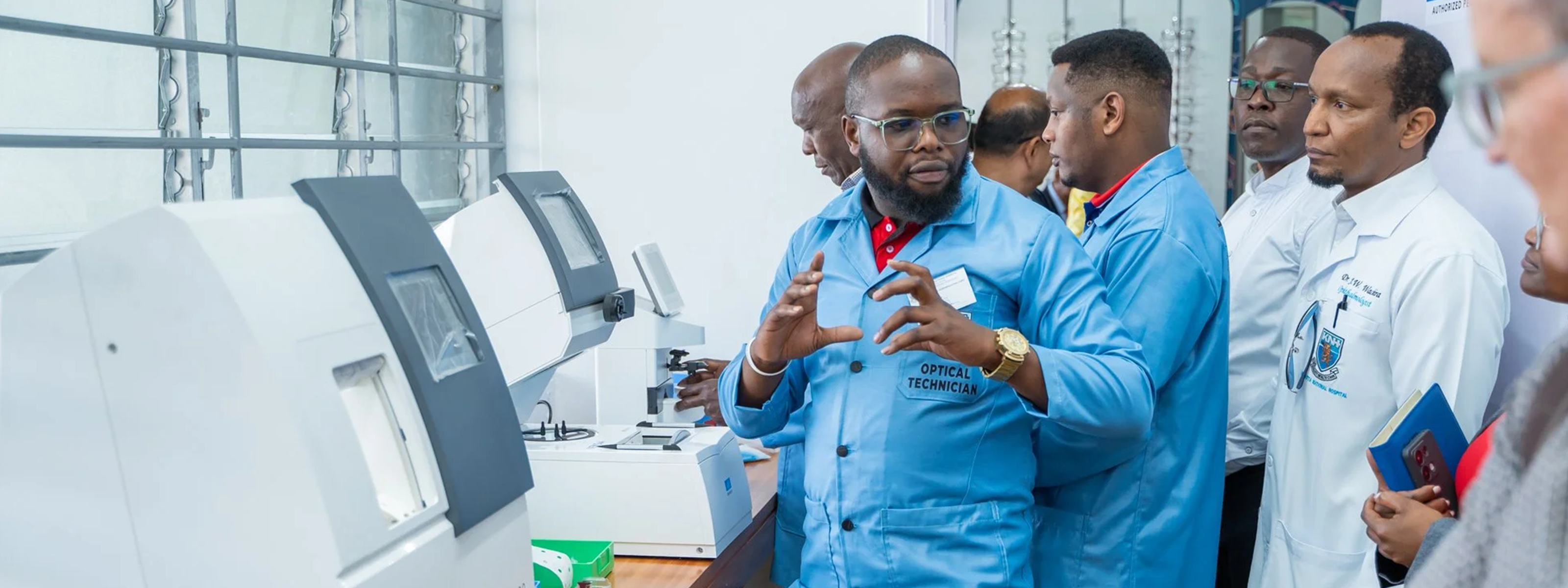
 | The establishment of Kenya's first public sector optical lab at Kenyatta National Hospital (KNH) has enhanced access to affordable vision-correction services. Three new optical laboratories are being established – in Nakuru, Mombasa and Uasin Gishu counties. |
 | Priority assistive products have been successfully integrated into the Kenya Medical Supplies Authority (KEMSA) Logistics Management Information System (LMIS), enhancing predictability and transparency of assistive devices supply chains. This is a key step to ensure health facilities can efficiently requisition assistive products. |
 | With the programme's support, Kenya has developed its first-ever Bachelor of Science degree in Prosthetics and Orthotics and introduced a short course in Kenya sign language for healthcare workers. |