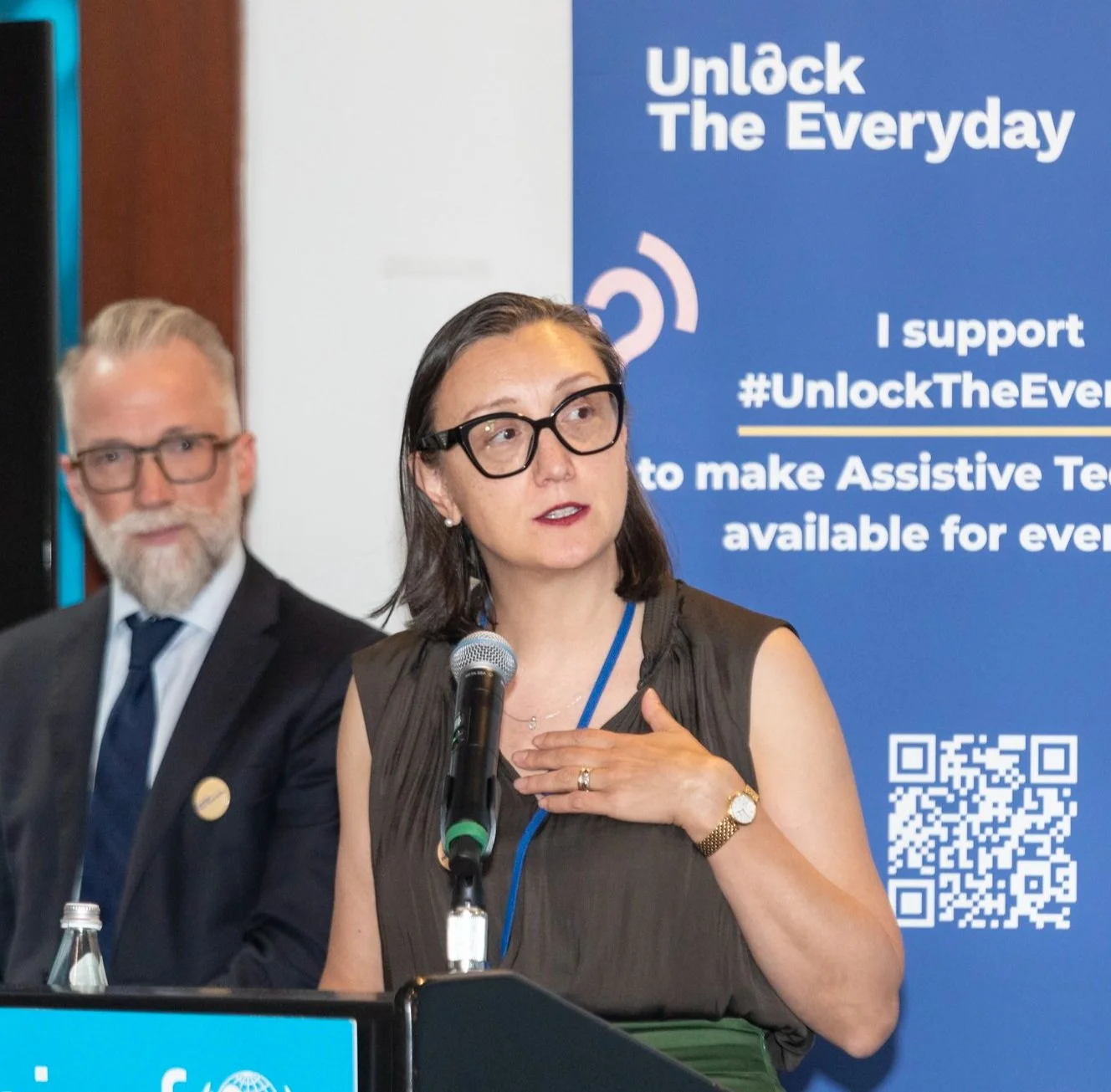
Unlocking the future: a unified vision for assistive technology across the Pacific
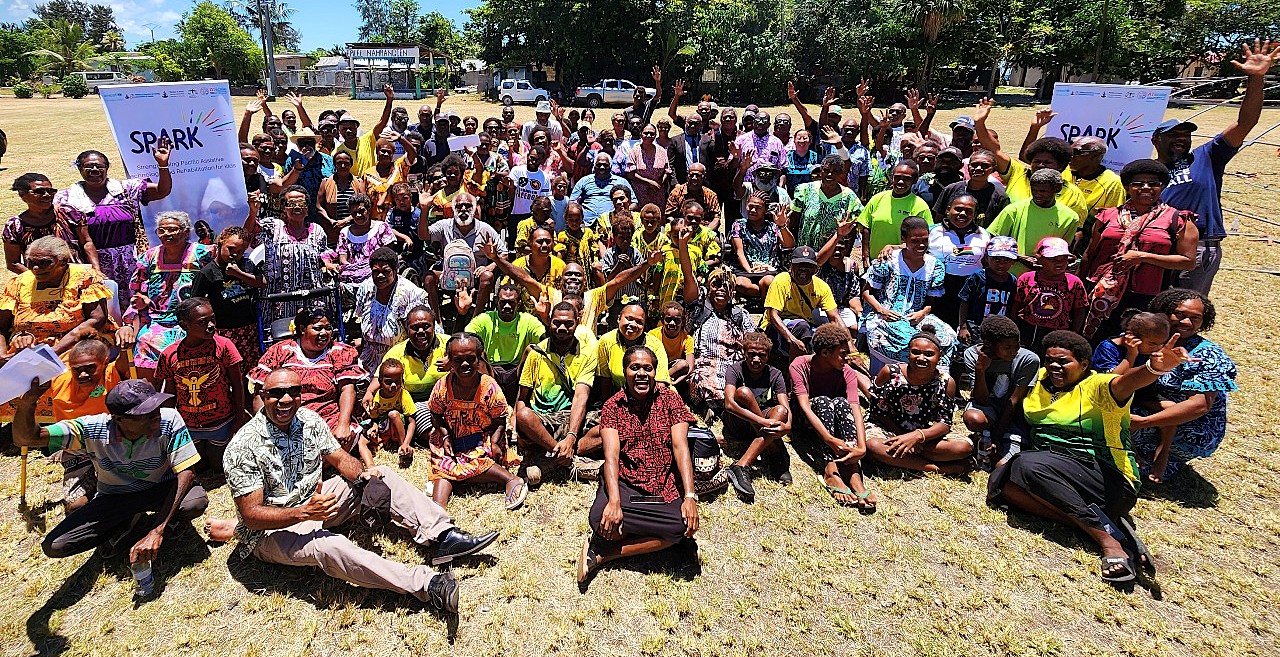
Across seven Pacific Island nations, a transformative new initiative is bridging the gap between inclusion and opportunity. Supported by a USD 10.5 million investment from the Australian Government, in partnerships with ATscale, the SPARK programme is reimagining access to assistive technology—proving that when governments lead and partners work together, the “unreachable can be reached”.
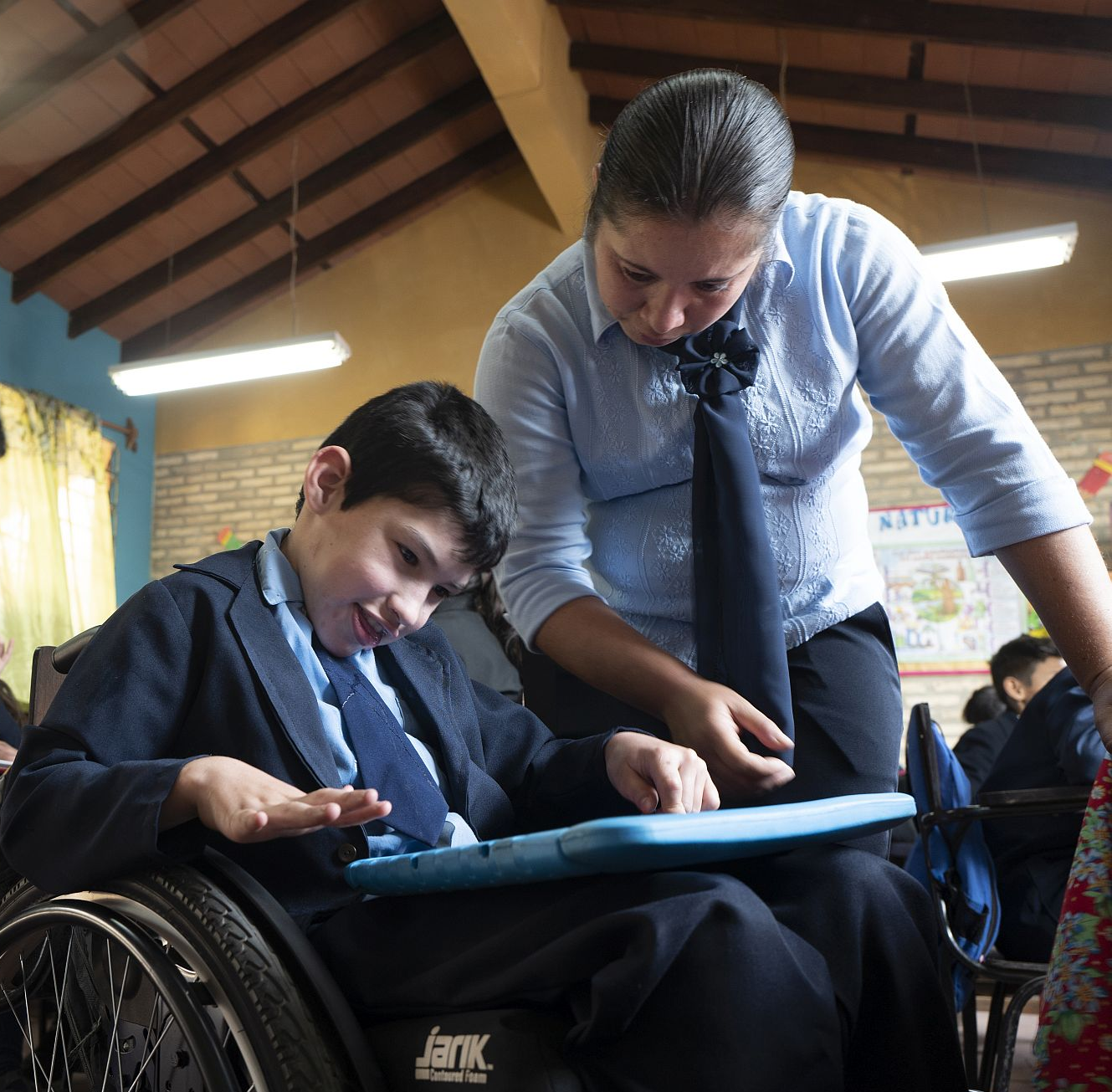
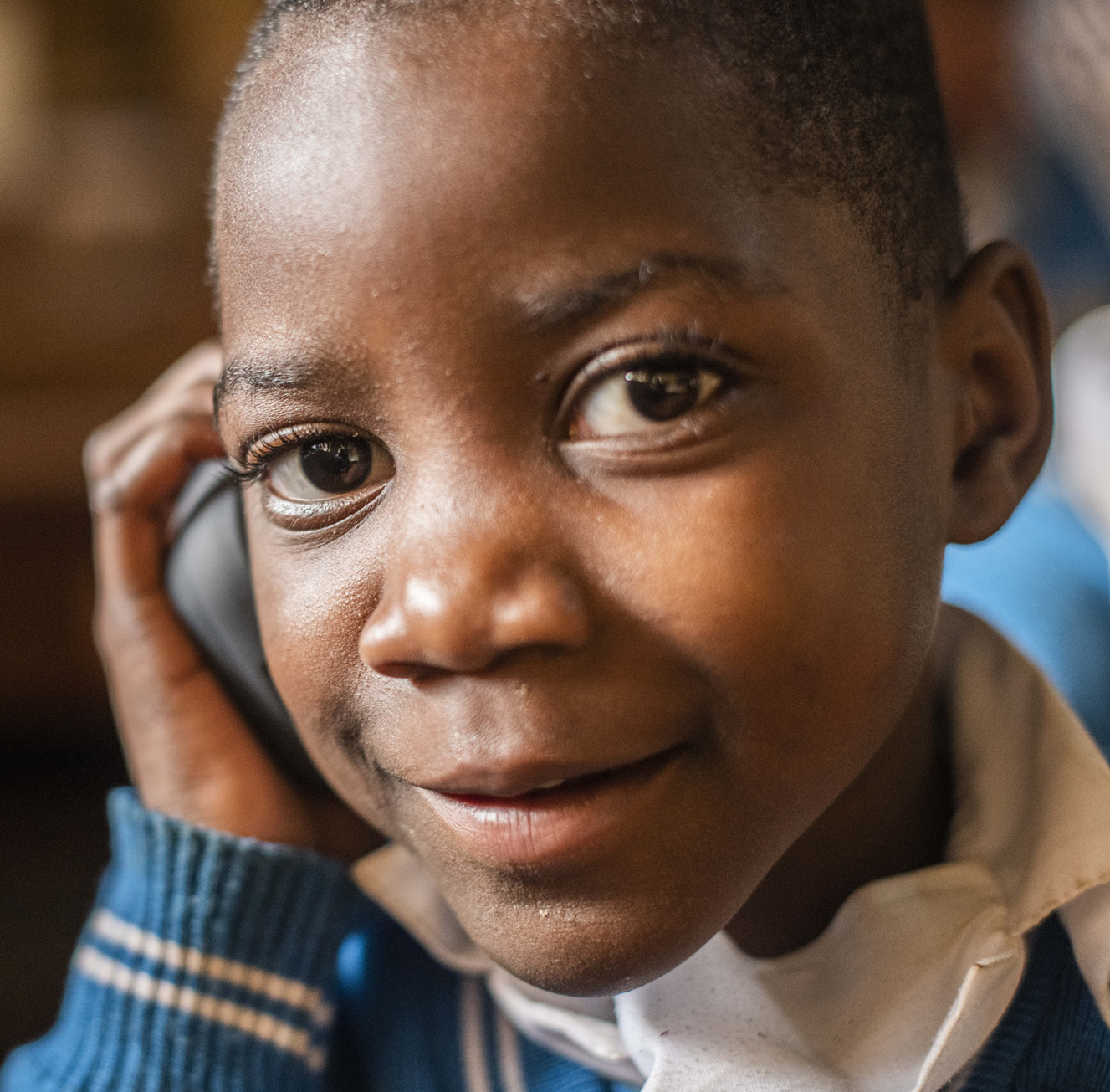
In the Pacific, the geography is as beautiful as it is challenging. With communities dispersed across vast ocean distances, health systems stretched, and supply chains fragile, children with vision, hearing, or mobility impairments have historically faced significant barriers to access the health and education systems as well as the assistive technology they need to learn and thrive.
The launch of the Unlock Healthy Learning, Strengthening Pacific Assistive Technology and Rehabilitation for Kids (SPARK) programme, marks a fundamental shift in this reality. Rather than a series of fragmented projects, SPARK represents a single, coordinated regional vision spanning Fiji, Tonga, Solomon Islands, Kiribati, the Federated States of Micronesia (FSM), Vanuatu, and Samoa.
A distinctive "one programme" approach
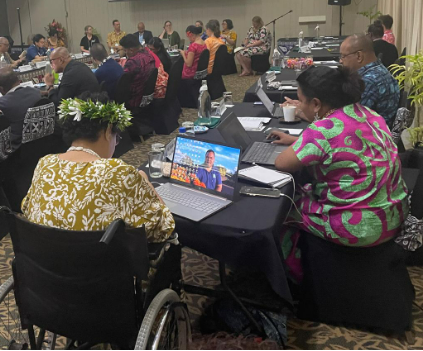
What makes SPARK unique is its commitment to harmonization. Implemented as a joint effort between the Fred Hollows Foundation–WHO Consortium and UNICEF, the initiative operates under a "one programme approach."
This coordination ensures that procurement, communications, capacity building and service delivery are aligned across countries, reducing duplication and maximizing impact. UNICEF brings leadership in inclusive education and global procurement systems, while the FHF/WHO Consortium provides deep technical expertise in health systems and vision services. Together, they are supporting national systems to ensure that access to assistive technology is embedded in the very fabric of government budgets and school environments, ensuring sustainability beyond the life of the programme.
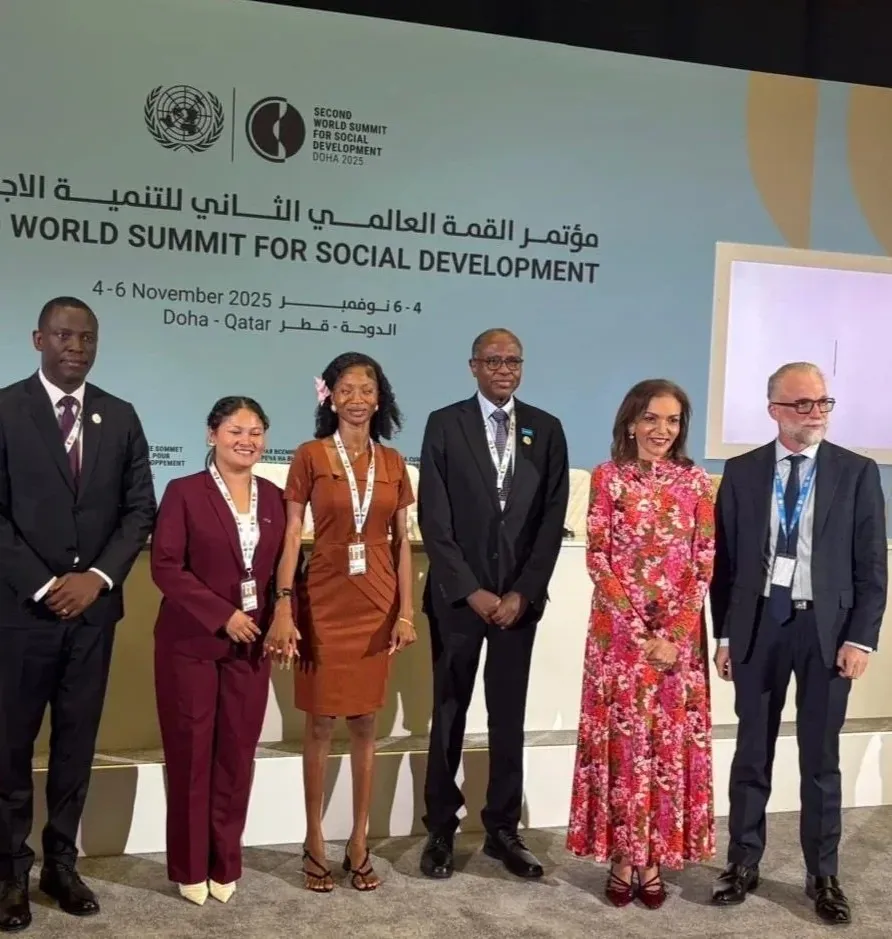
"For the first time, we are bringing together seven Pacific Island Countries under one shared vision… so that every child can learn, participate, and thrive," said Pascal Bijleveld, CEO of ATscale, during the partner kickoff sessions.
From dreams to reality: national leadership
At the heart of SPARK lies national ownership. This is not a top-down initiative; it is a demand-driven response to country priorities. Governments are not just participants—they are co-investors.
In Vanuatu, the government has committed to providing up to 50 per cent of the programme investment through in-kind contributions, including health personnel, inclusive education officers and disability focal points across ministries. Norika Toumak Watt, the ATscale government focal point in Vanuatu, describes the mission simply: “We are making sure that every child has an opportunity to stay connected and feel part of something special like family, friends and community. It’s about reaching the unreachable.”
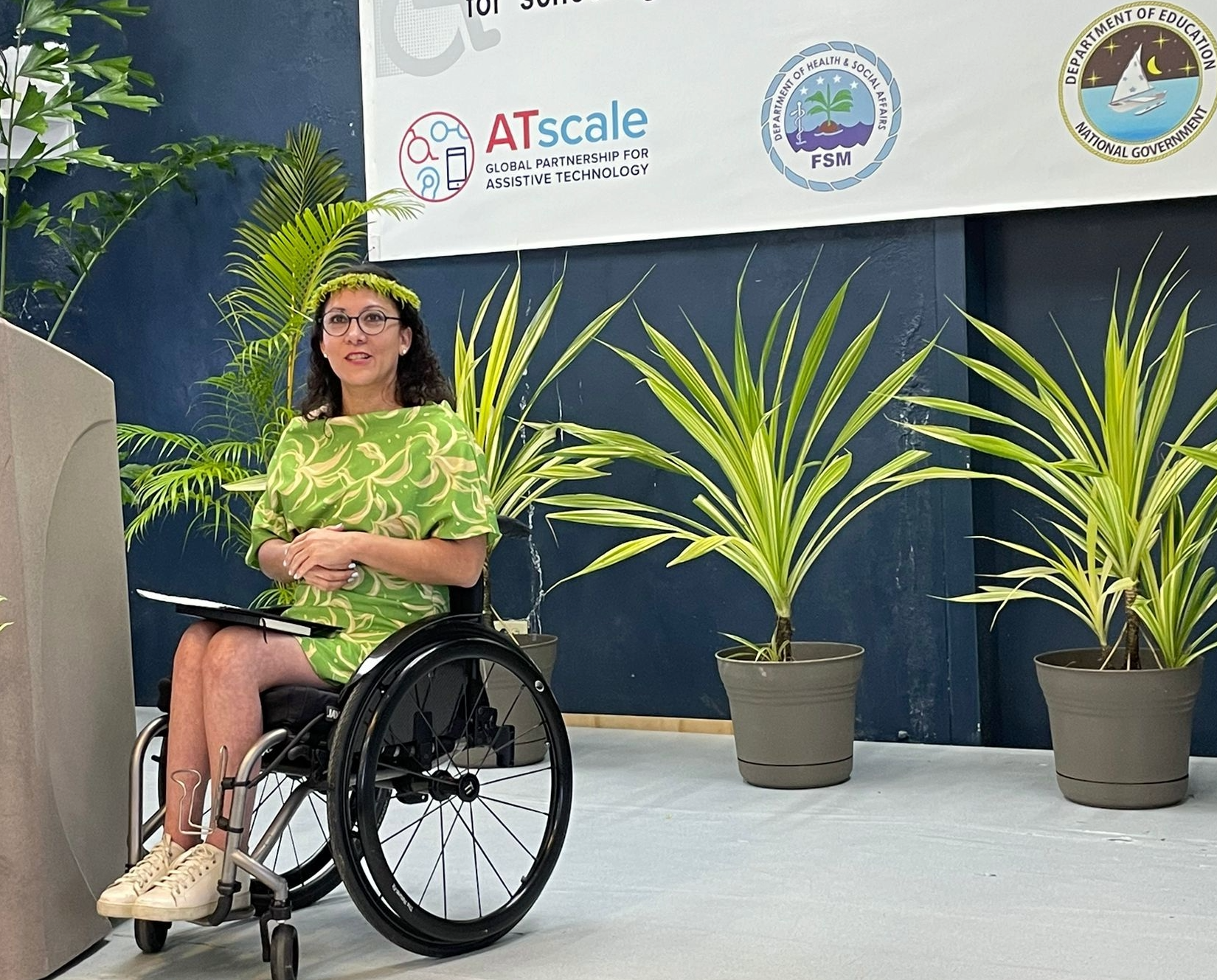
In the Federated States of Micronesia, where small islands are geographically dispersed, the programme is seen as a long-awaited solution. “It is a dream becoming a reality,” says Arthur Albert, Assistant Secretary of the Department of Education. “The programme provides an opportunity to address significant barriers... to train local personnel, strengthen policy and infrastructure, and ensure access to life-changing assistive technology.”
Impact beyond hearing aids, wheelchairs and eyeglasses
The SPARK programme covers the full assistive technology ecosystem over a three-year timeline:
- Screening and assessment: Integrated vision,hearing, and mobility screening for school-aged children.
- Service delivery: Provision of eyeglasses, hearing aids, and mobility devices coordinated referral pathways
- System strengthening: Training teachers and health workers and building sustainable supply chains, with a pooled procurement round planned in the first half of 2026.
- Sustainability: Moving from capacity building to embedding services within national health and education budgets.
This integrated approach reflects global evidence: access to assistive technology is not only about products, but about systems that ensure timely, equitable, and sustained access
A shared commitment
Across the region, political commitment is strong. In Samoa, the commitment was echoed at the highest levels of government. Hon. Aiono Dr. Alec Ekeroma, Minister of Education and Culture. During his keynote speech at the national launch, he underscored the national resolve: “The Government of Samoa remains firmly committed to strengthening inclusive education and ensuring that every child has equitable access to the assistive technology they need.”
Looking ahead
As official launches continue across the region—from the high-level addresses in Samoa to the upcoming school-based screenings in Kiribati—the message is clear: the Pacific is leading the way in inclusive development.
As the Governor of Pohnpei State, T.H. Stevenson A. Joseph Federated States of Micronesia stated during the launch late last year, by prioritizing government leadership and partner harmonization, SPARK is doing more than just providing hearing aids or wheelchairs. “This programme is hope for children, their parents, and society as a whole. Equipped with the right tools to see, hear, and move, they can open a new world of opportunities and belonging. It reflects our shared vision of equity and inclusion, a step towards ensuring that no child is left behind.”
The SPARK programme has been made possible thanks to the support of the Australian Department of Foreign Affairs and Trade (DFAT), working to ensure that every child in the Pacific has the tools they need to unlock their full potential. This is the first of a series of updates, stay tuned as we track progress, share emerging insights, and highlight how we are shaping the future of inclusive systems in the Pacific and beyond..