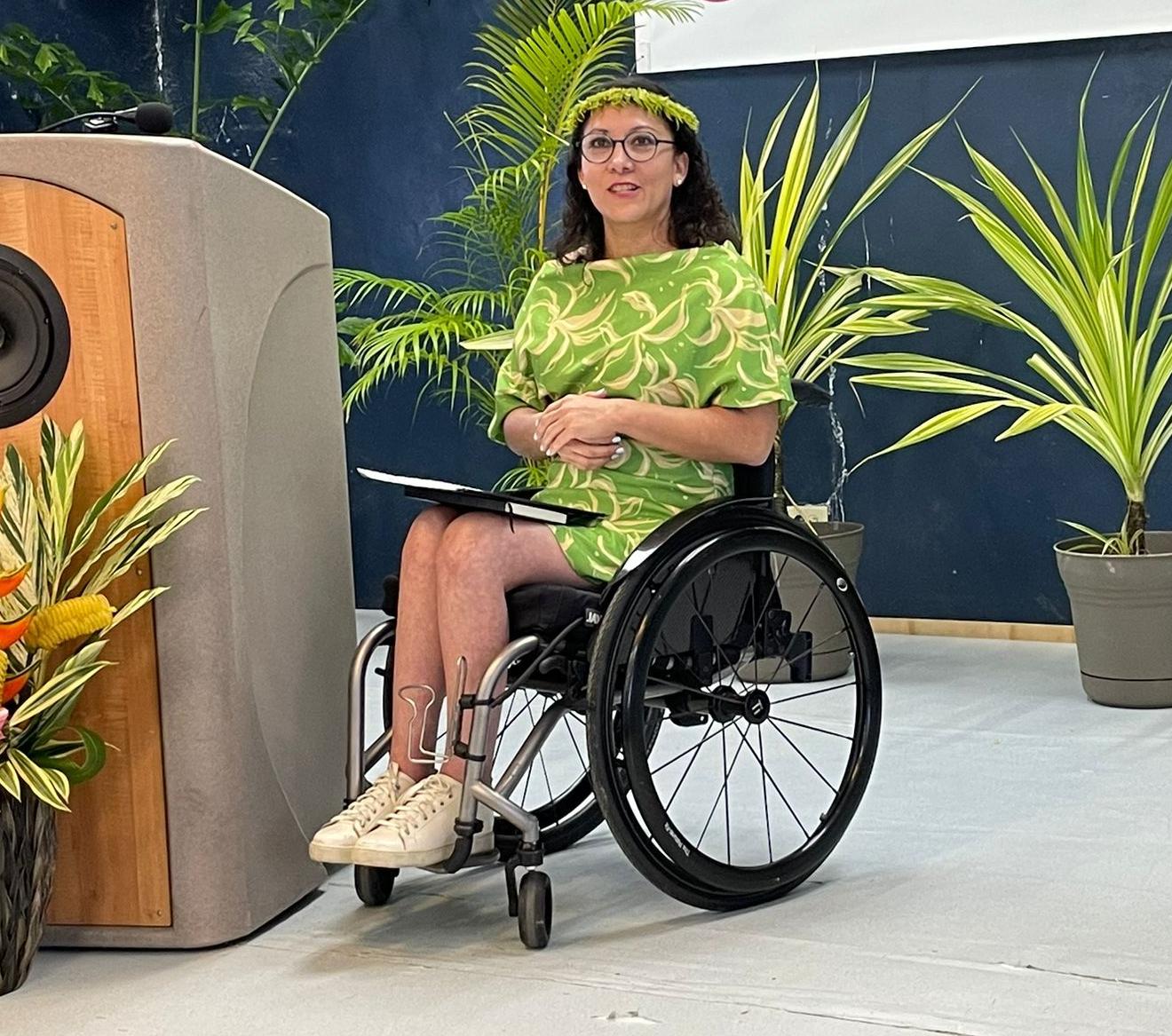
Transforming access to assistive technology for children in Fiji and the Pacific
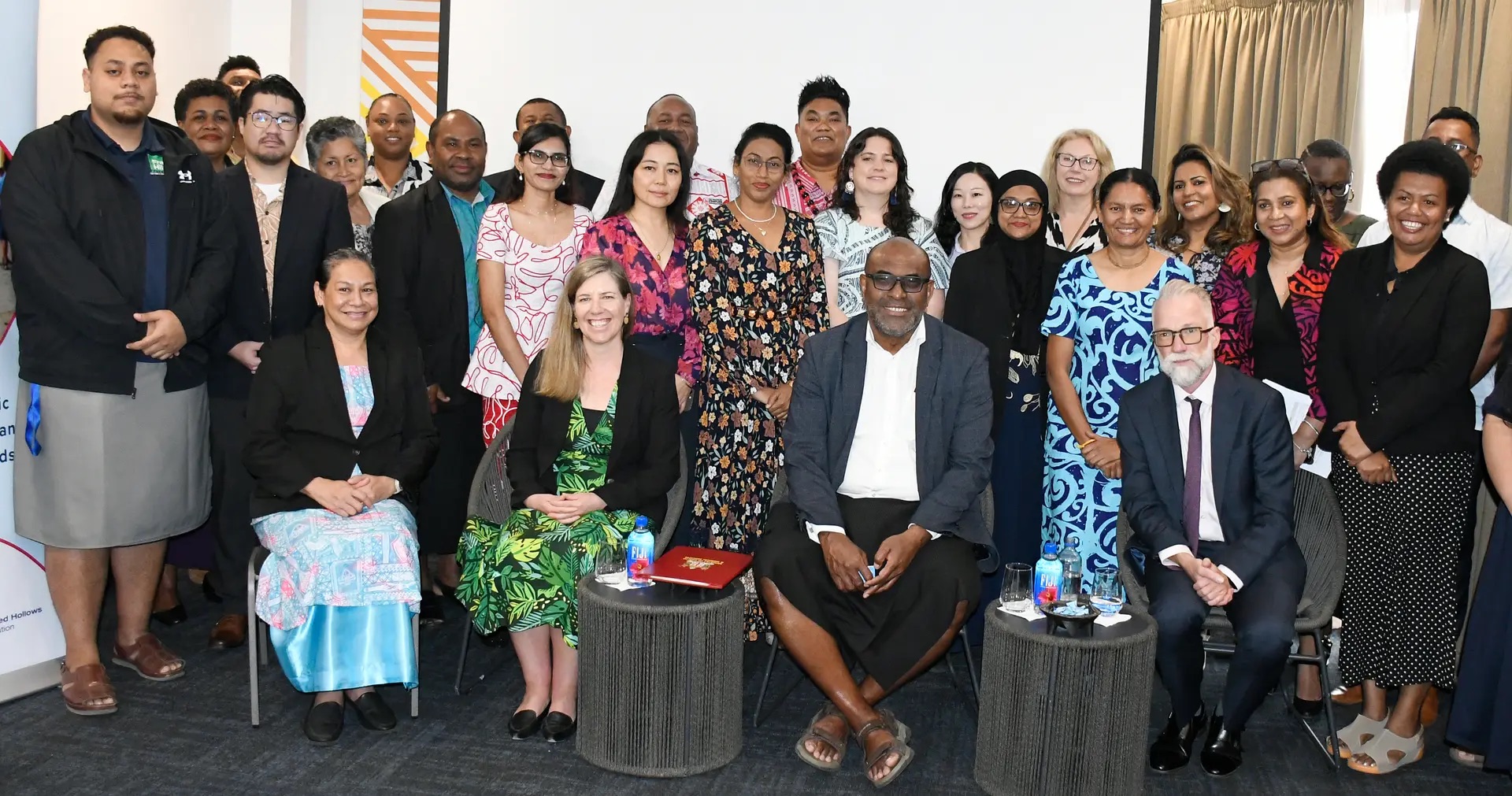
Minister for Health Dr Ratu Atonio Lalabalavu with ATscale Chief Executive Officer Pascal Bijleveld and guests during the launch of the access to assistive technology and related rehabilitation services for school-aged children in Fiji programme in Suva on September 16, 2026.
Suva, 18 September 2026. A major step towards transforming the lives of thousands of children in Fiji was taken this week with the formal launch of the $3.5 million (Fijian dollar) SPARK Fiji initiative, a DFAT-supported ATscale programme that will be implemented by Fred Hollows Foundation (FHF) and the WHO Consortium under the leadership of the Ministry of Health and Medical Services.
Convening in Suva from 14 to 18 September, government representatives, international development partners, and civil society representatives engaged in a week of intensive collaboration and coordination to discuss the programme which will scale and expand access to assistive technology and rehabilitation services for children aged five to 18 across the nation.
The urgency of this three-year investment is underscored by stark global and regional disparities. The huge gap in access to assistive technology is acutely felt in the Pacific region, where an estimated two to six percent of children require assistive devices for vision, hearing, or mobility, but only a fraction—approximately 0.2 percent—currently receive the care they need, as reported by the Fiji Sun.
Addressing this unmet need goes far beyond simply distributing equipment; it is about systems building and strengthening for appropriate provision of assistive products in a sustainable manner. ATscale Chief Executive Officer, Pascal Bijleveld, emphasized the profound stakes during the launch, noting that an unaddressed need can lead to lifelong consequences affecting health, education, participation, independence, and future opportunities. "A pair of eyeglasses, hearing aid, or mobility rights, can transform a child's life, enabling them to learn, participate fully, build confidence, and thrive both in school and in their communities," Bijleveld remarked, highlighting the profound impact of these seemingly simple interventions.
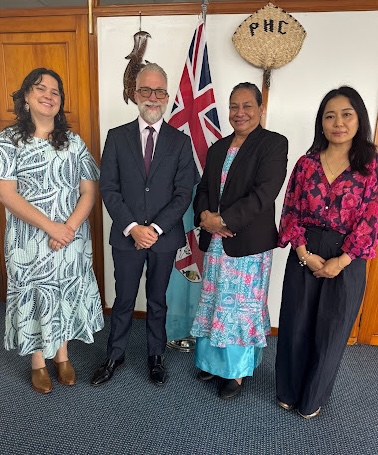
ATscale CEO and Senior Programme Manager meeting with the Acting Permanent Secretary of the Ministry of Health and Medical Services, Fiji
Minister for Health Dr. Atonio Lalabalavu stressed that the initiative's support would go beyond initial screening to encompass full identification, assessment, referral, fitting, training, and follow-up. Speaking of the programme's inclusive vision to reach vulnerable groups, girls, and children in remote areas, Dr. Lalabalavu declared, "No child should be left behind."
To address persistent barriers such as cost, geographic distance, limited availability of services, and constrained national markets, the programme has a strong focus on strengthening regional coordination so that participating countries can share lessons learned, discuss common challenges and solutions, coordinate approaches, and explore opportunities for joint or coordinated procurement of assistive products. Such collaboration will help countries to leverage regional demand, improve efficiency and value for money, strengthen supply chains, and facilitate more sustainable access to quality and affordable assistive technology across the Pacific.
The programme also brings in specialized local support, organizations like Project Heavens Frank Hilton, as well as the Pacific Disability Forum and other national Organizations of Persons with Disabilities (OPDs) to support the implementation of the programme
Long-term sustainability depends on government ownership and a commitment to health equity. Strategic alignment continued on the ground through engagements with the leadership of Fiji's Ministry of Health and Medical Services, alongside site visits to the Colonial War Memorial Hospital and Tamavua Twomey Hospital.
The week culminated in a national stakeholder validation workshop at Tanoa Plaza, where health officials finalized Fiji’s operational delivery architecture, establishing a blueprint to secure equitable provision of assistive products for every child in need.
Local coverage and media updates
Further updates and media coverage from local news outlets and the Fiji ministry of health and medical services are available through the following links:
- https://fijisun.com.fj/living/health/35m-programme-to-transform-lives-of-children-with-disabilities
- https://www.facebook.com/share/v/1EpkQKVoH7/?mibextid=wwXIfr
- https://www.facebook.com/stories/106756578151531/UzpfSVNDOjI3ODUzMTIxNzUxODc3MTE=/?view_single=1&source=shared_permalink
- https://www.facebook.com/share/p/19ap32UoNc/?mibextid=wwXIfr
- https://www.facebook.com/share/p/1DqZaE9vHt/?mibextid=wwXIfr
Cover photo credit: Ministry of Health, Fiji