Unlocking HER potential: UN Women and ATscale launch a joint policy brief on assistive technology
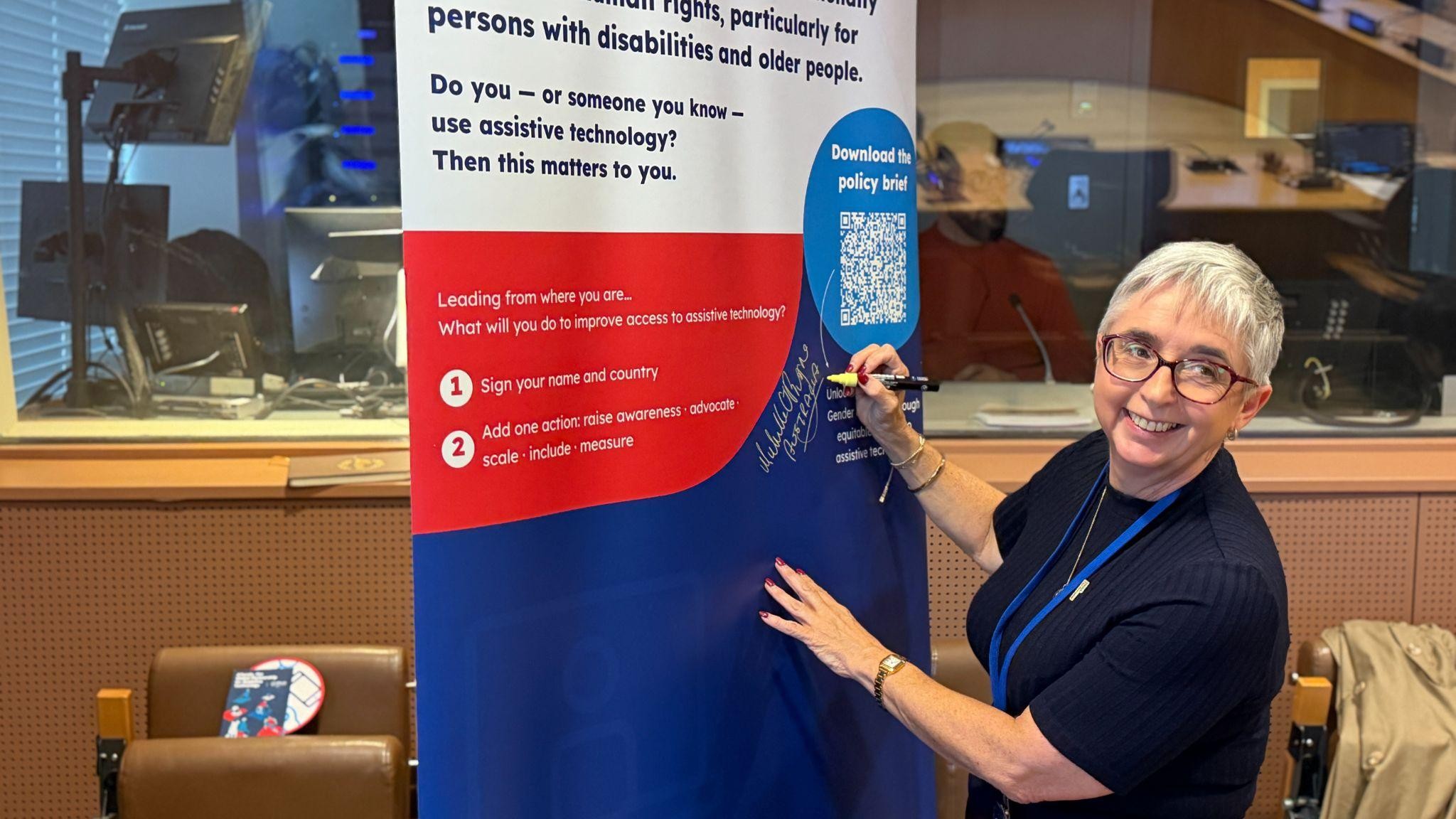
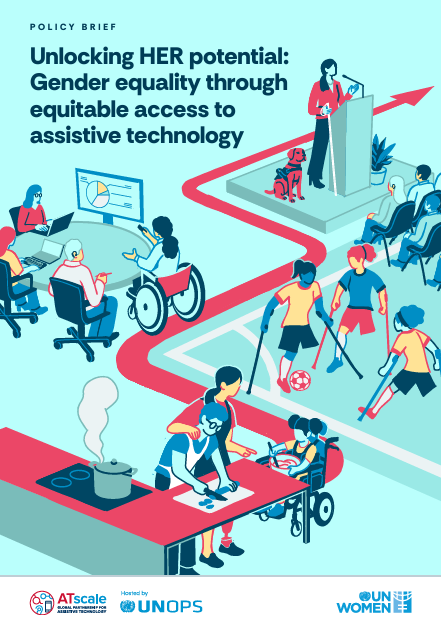
At the 70th Session of the Commission on the Status of Women (CSW70), UN Women and ATscale launched their policy brief: "Unlocking HER potential: Gender equality through equitable access to assistive technology".
This moment marked a historic milestone. For the first time, assistive technology was featured in the high-level segment of CSW—recognizing its importance for women and girls’ rights, participation, and leadership.
The event, held at United Nations Headquarters in New York, brought together global leaders and advocates to address a stark reality: while assistive technology is a critical enabler of the enjoyment of multiple human rights, particularly for persons with disabilities and older people, access to it remains deeply unequal.
UN Women emphasized that AT is not a niche service but a cross-cutting precondition for gender equality, foundational to women’s education, employment, bodily autonomy, and political participation.
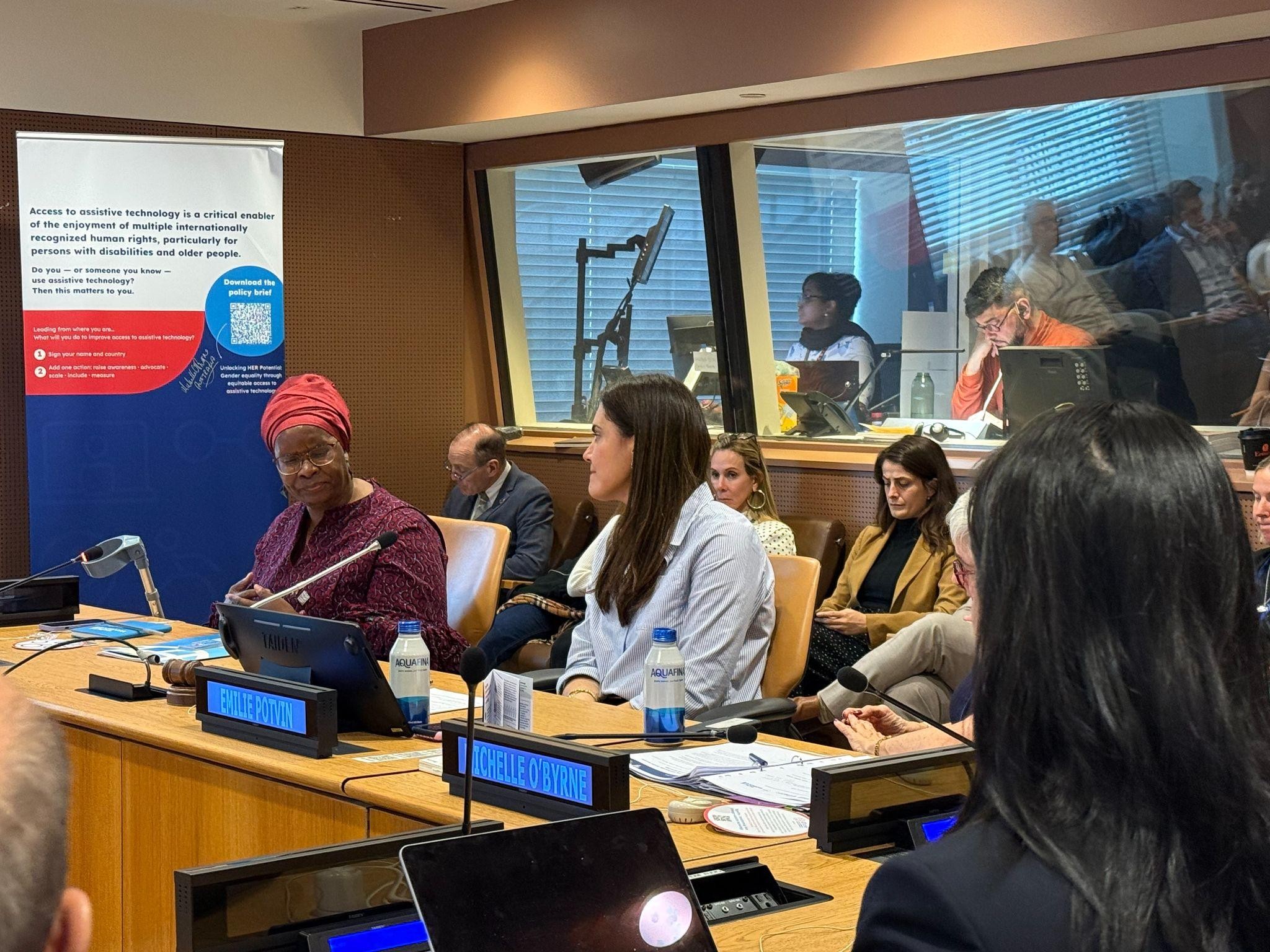
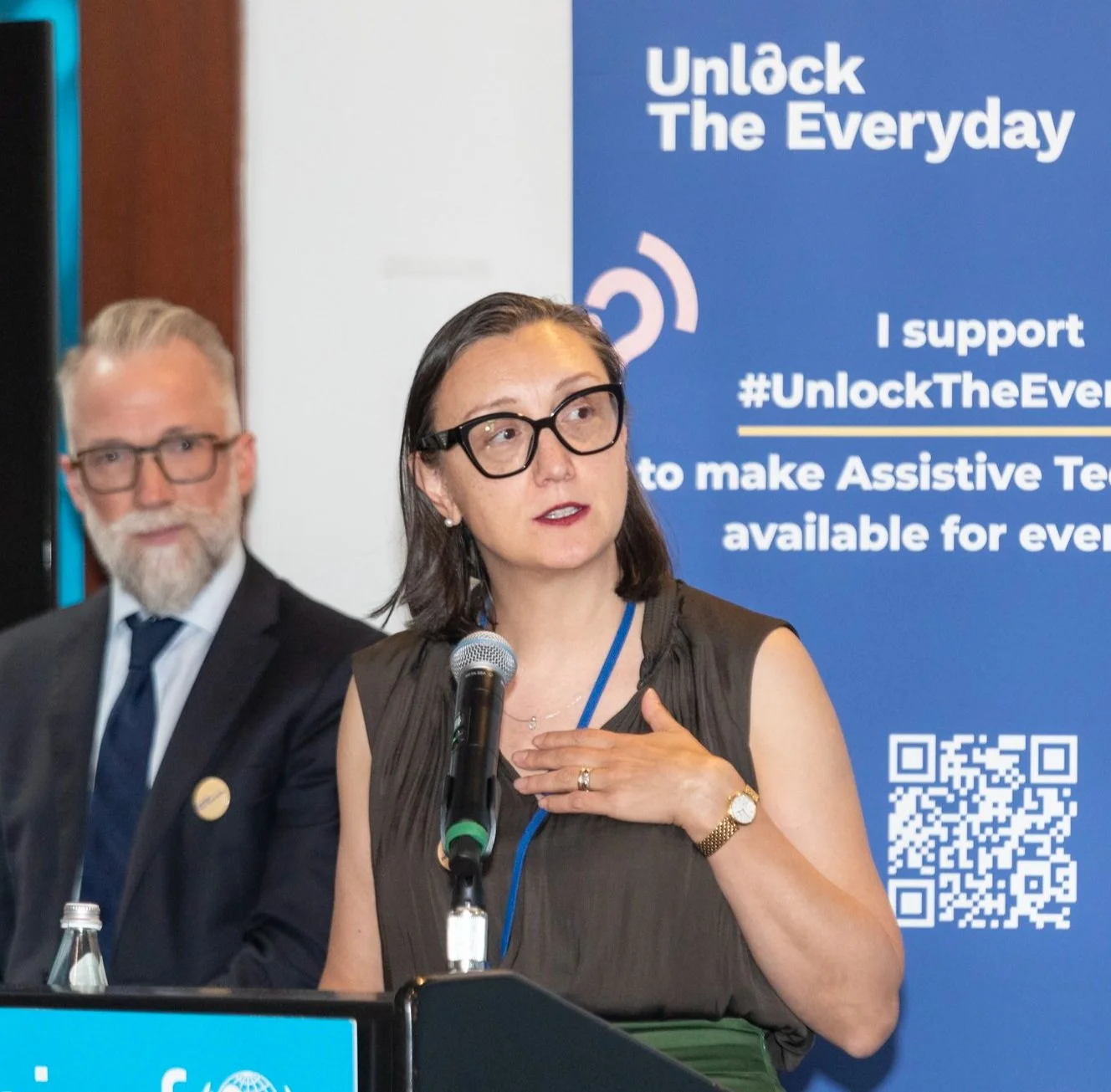
Nyaradzayi Gumbonzvanda, UN Women Assistant Secretary-General and Deputy Executive Director, highlighted the fundamental link between access and participation. "Participation is not possible without access. Access to systems. Access to services. Access to tools that allow women and girls to move, communicate, learn, and lead."
The scale of the global challenge is immense; over 2.5 billion people need at least one assistive product, a figure projected to rise to 3.5 billion by 2050. However, in some low-income countries, access is as low as 3%, compared to 90% in high-income countries. This represents a profound structural inequality that disproportionately excludes women and girls.
The gender gap in assistive technology access
The policy brief reveals that this global inequality is far from gender balanced.
Drawing on evidence from over 80 sources and input from 50 countries, it shows that although women have higher needs for assistive technology—19% of women have a disability compared to 12% of men—they face greater barriers due to poverty, stigma and unequal decision-making power. These disparities are visible across sectors:
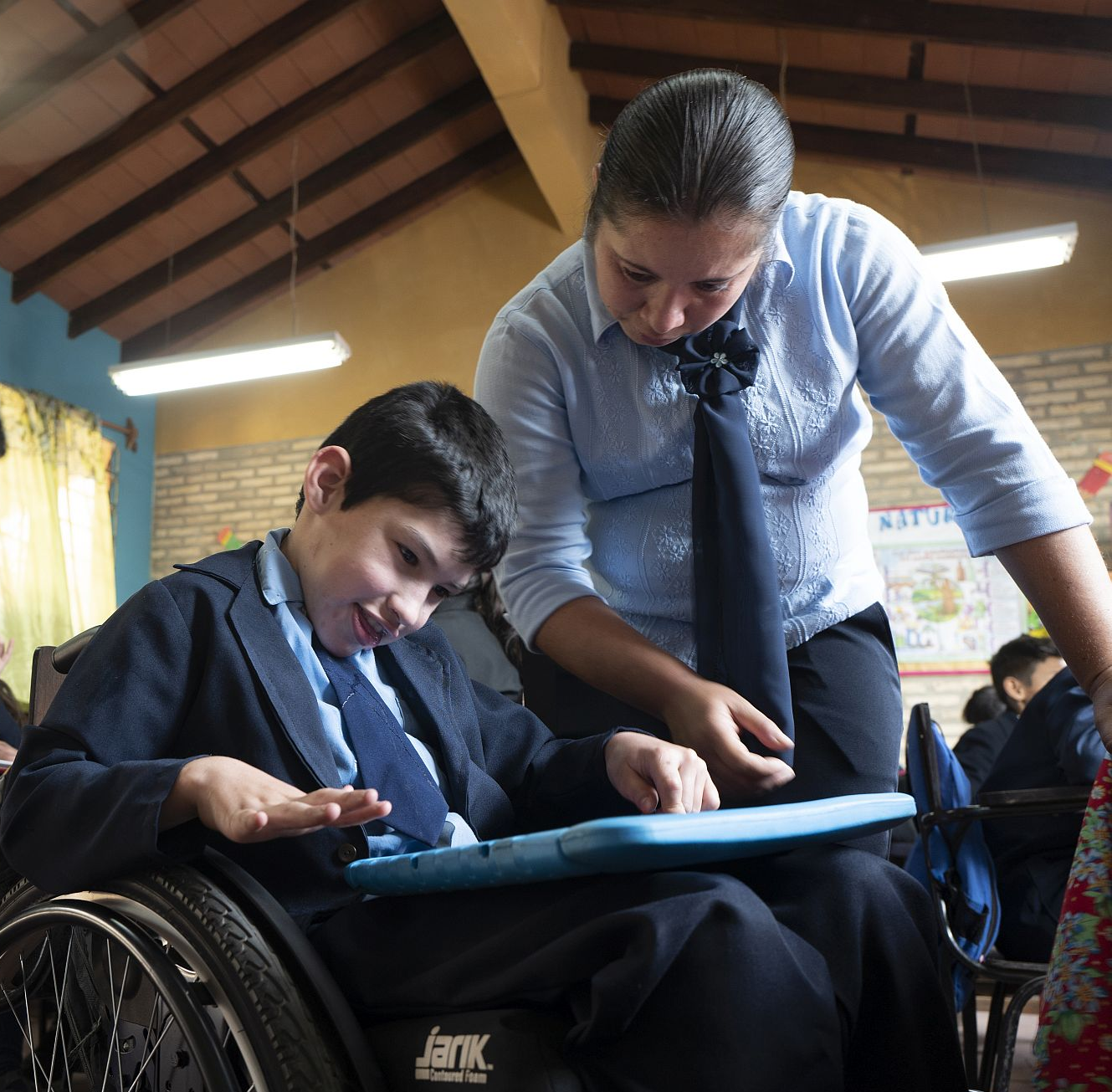
- Education: 119 million girls are out of school—gaps that assistive technology could help close
- Care burden: 67% of respondents report that mothers sacrifice their own AT needs for their families a "motherhood penalty"
- Affordability: Two-thirds of users in LMICs pay out-of-pocket
Access bias: Girls are less likely to receive high-cost assistive products
Moving from policy to practice
As the host of ATscale, UNOPS underscored that closing these gaps requires moving from commitment to implementation. Jorge Moreira da Silva, UNOPS Executive Director, emphasized that assistive technology is not a luxury, but a fundamental enabler of human rights and inclusive development. In a video message, he highlighted ATscale’s role in driving system change, strengthening markets, financing, and service delivery to ensure sustainable access. Through this approach, the partnership aims to reach 500 million more people with life-changing AT by 2030, which in turn helps reduce the heavy, unpaid care responsibilities often carried by women.
Michelle O’Byrne, Australia’s Ambassador for Gender Equality, reaffirmed Australia’s commitment to dismantling these structural barriers through investments in the Indo-Pacific, where only 5% to 15% of AT needs are currently being met.
Closing this gap requires a systems approach, grounded in gender-responsive design and financing. Systems that are designed with women are not only more equitable, but more effective and sustainable. She called on leaders to move from commitments to action by embedding assistive technology into national policies, plans and budgets—turning inclusion into tangible results.
Shifting the narrative: from cost to investment
A central message was the need to reframe assistive technology.
Too often viewed as a cost, AT must be understood as essential infrastructure for participation and an investment with economy-wide returns. As highlighted during the discussion: Assistive technology is not a social expense—it is an investment that expands participation in education, employment and public life, with benefits that extend across societies and economies.
Unlocking these returns requires moving beyond fragmented interventions toward systems that work at scale.
Call to action
The brief outlines four priority actions. It calls on global actors to
- mainstream gender-transformative AT into national policies and global frameworks
- remove financial barriers by expanding subsidies and invest in local, women-led production and innovation.
- Train a gender-balanced workforce. Ensure women lead in product design, governance, and procurement. Design for dignity and safety, ensuring privacy, accessibility, and protection from violence and fit diverse needs.
Integrate into all service delivery systems (health, education, and social protection systems) Ensure continuity of AT provision in humanitarian and crisis response frameworks.e.
As the session concluded, the message was clear: unlocking a woman's potential begins with ensuring she has the tools to participate, lead, and thrive.
Watch the entire CSW session on UN TV