Small grants ignite the global movement around World AT Day 2026
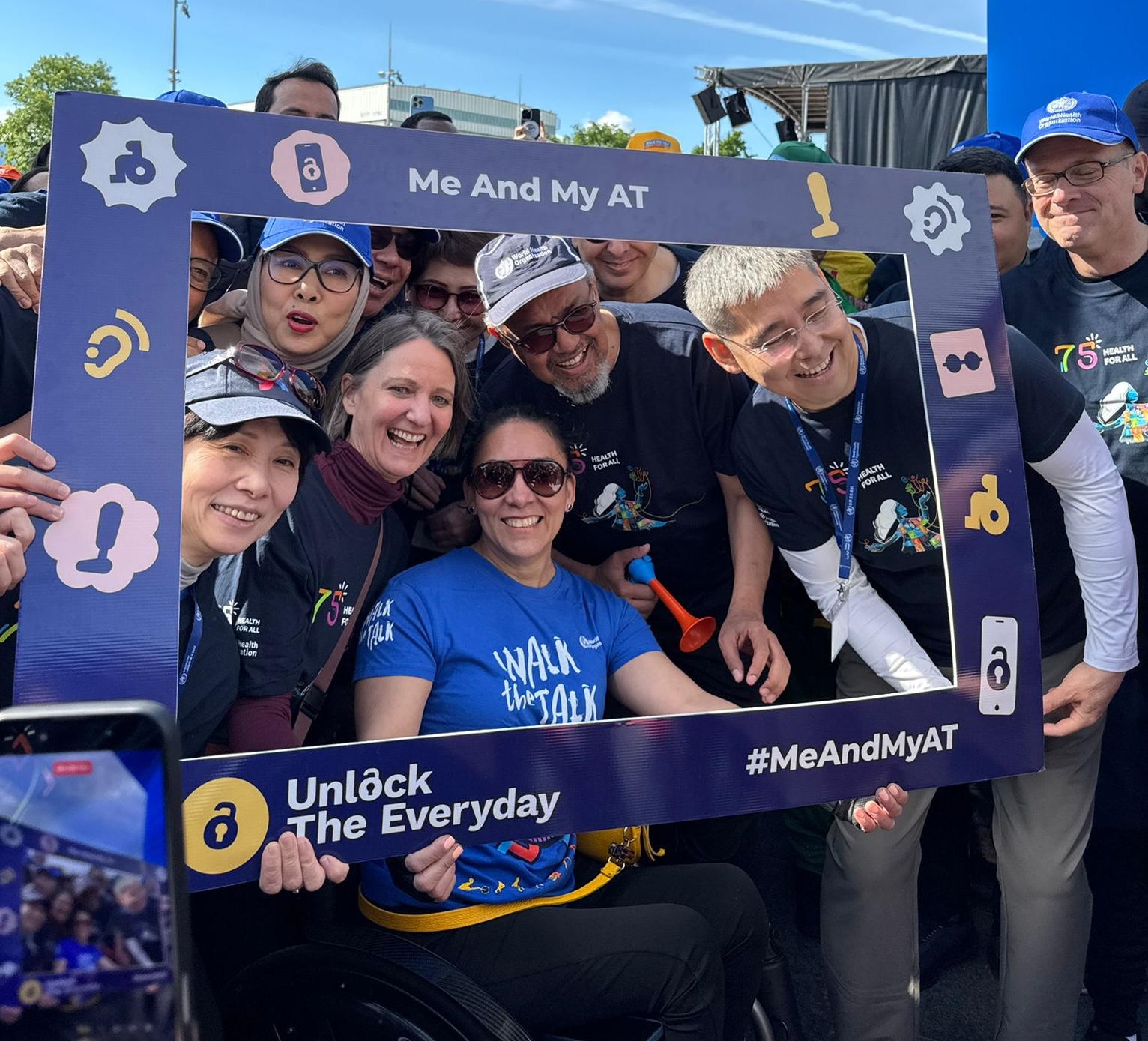
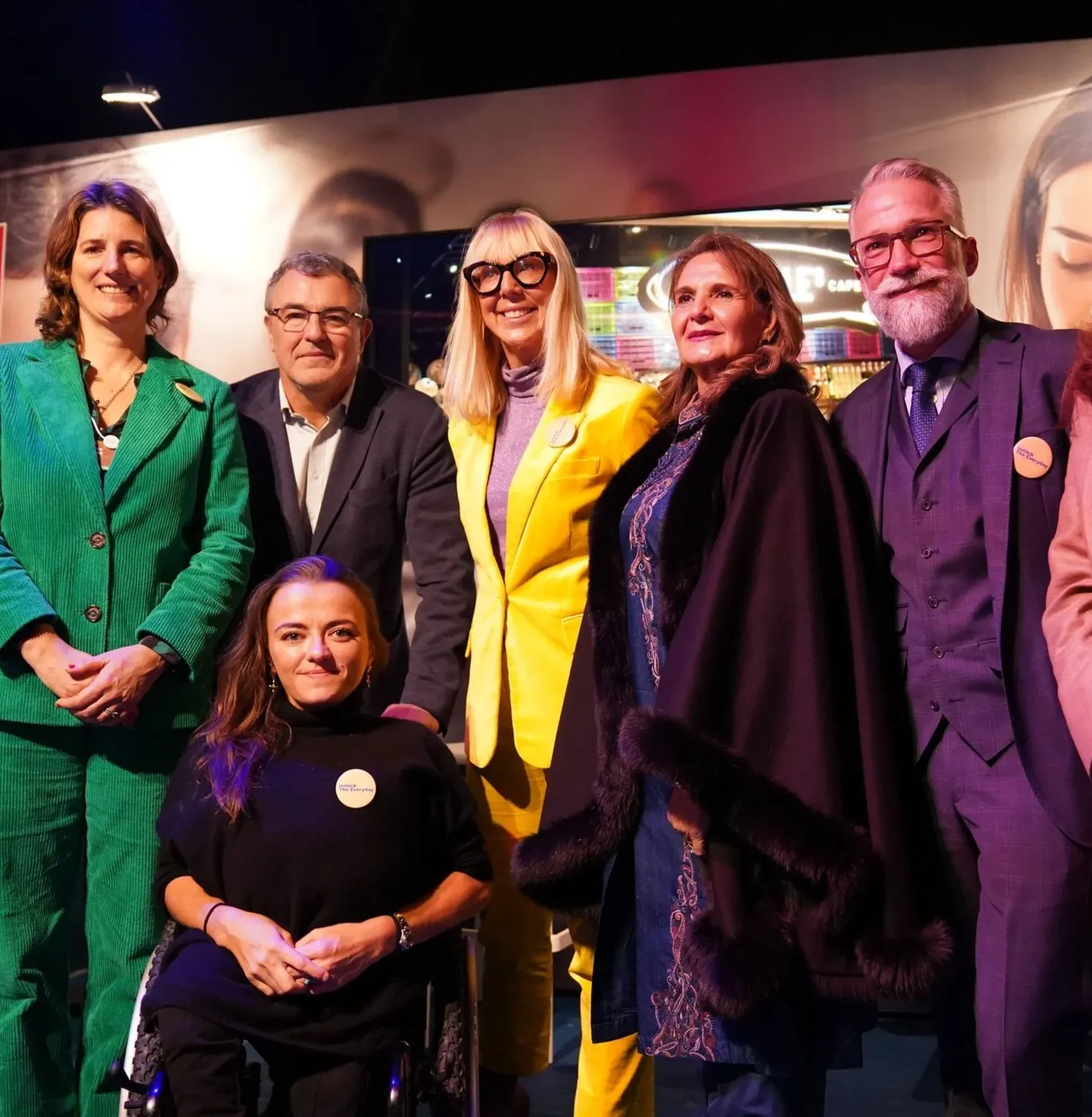
Dr Tedros 'Walks the Talk’ for World AT Day as he takes part in the #MeAndMyAT Challenge during the World Health Assembly
“Assistive technology allows me to study, work, and participate in the community in a way that was not possible before.” – Testimony from a participant at an Asociación Azul event, Argentina.
For World Day for Assistive Technology on June 4, 2026, the global movement for inclusion reached new heights. Propelled by the global Unlock the Everyday campaign and fueled by ATscale’s Small Grants Programme, partners worldwide led a coordinated effort to champion the right to access assistive technology.
The goal was to mobilize individuals, organizations, businesses, and policymakers worldwide to increase access to AT and raise awareness of its importance. The results brought massive digital reach alongside grassroots action.
A world united
This year’s campaign demonstrated the power of a united global voice. Across social media platforms, the #UnlockTheEveryday and #WorldATDay hashtags generated a 4,200% surge in engagement, achieving an estimated potential reach of around 30 million people globally.
The movement resonated across cultures, with campaign materials, toolkits, and posts shared in at least 10different languages, including English, French, Spanish, Swahili, Nepali, Urdu, Indonesian, Filipino, Bengali, and Hindi.
The campaign’s visibility was amplified thanks to campaign partners—including UNICEF, WHO, UNOPS, the International Disability Alliance, OADCPH, Motivation, A Leg to Stand on, Momentum, ISWP, CHAIO, Penta, Shonaquip and the GDI Hub, amongst many more. ATscale implementing partners and high-profile champions also added their voices, with high-profile figures like WHO Director-General Dr Tedros Adhanom Ghebreyesus and Paralympian advocate Anne Wafula Strike leading the global call for action.
Translating global momentum into localized policy action across three continents
ATscale's Small Grants Programme made it possible for grassroots organisations to translate international awareness into localised policy action. Across three continents, 30 Organizations of Persons with Disabilities (OPDs) turned modest micro-grants into powerful regional movements:
Asia: Amplifying voices to millions. Coordinated by the Bangladesh Disabled Development Trust (BDDT), 10 OPDs across five nations executed a wide- ranging campaign reaching around 3 million people. The movement featured high-level public hearings that secured direct policy commitments from key government officials in Bangladesh, India, and Pakistan.
![Spanish social media infographic by Impact Click and Incluyeme.com explaining the importance of Assistive Technology for accessibility and inclusion, featuring a wheelchair user and #UnlockTheEveryday[cite: 3].](/sites/default/files/inline-images/Copia%20de%20FB2.png) Latin America: Blending digital impact with practical action. Guided by Inclusive Endeavors Colombia (Incluyeme.com), the Latin American cohort engaged over 390,000 people with online testimonies and engagement . The 10 OPDs led 19 diverse events, ranging from the testing of mobility devices in Costa Rica and Peru to massive hybrid inclusive job fairs in Ecuador
Latin America: Blending digital impact with practical action. Guided by Inclusive Endeavors Colombia (Incluyeme.com), the Latin American cohort engaged over 390,000 people with online testimonies and engagement . The 10 OPDs led 19 diverse events, ranging from the testing of mobility devices in Costa Rica and Peru to massive hybrid inclusive job fairs in Ecuador
- Southern Africa: Turning awareness into policy. Led by the Southern Africa Federation of the Disabled (SAFOD), OPDs in Botswana, Lesotho, Malawi, Zambia, and South Africa shifted the focus from
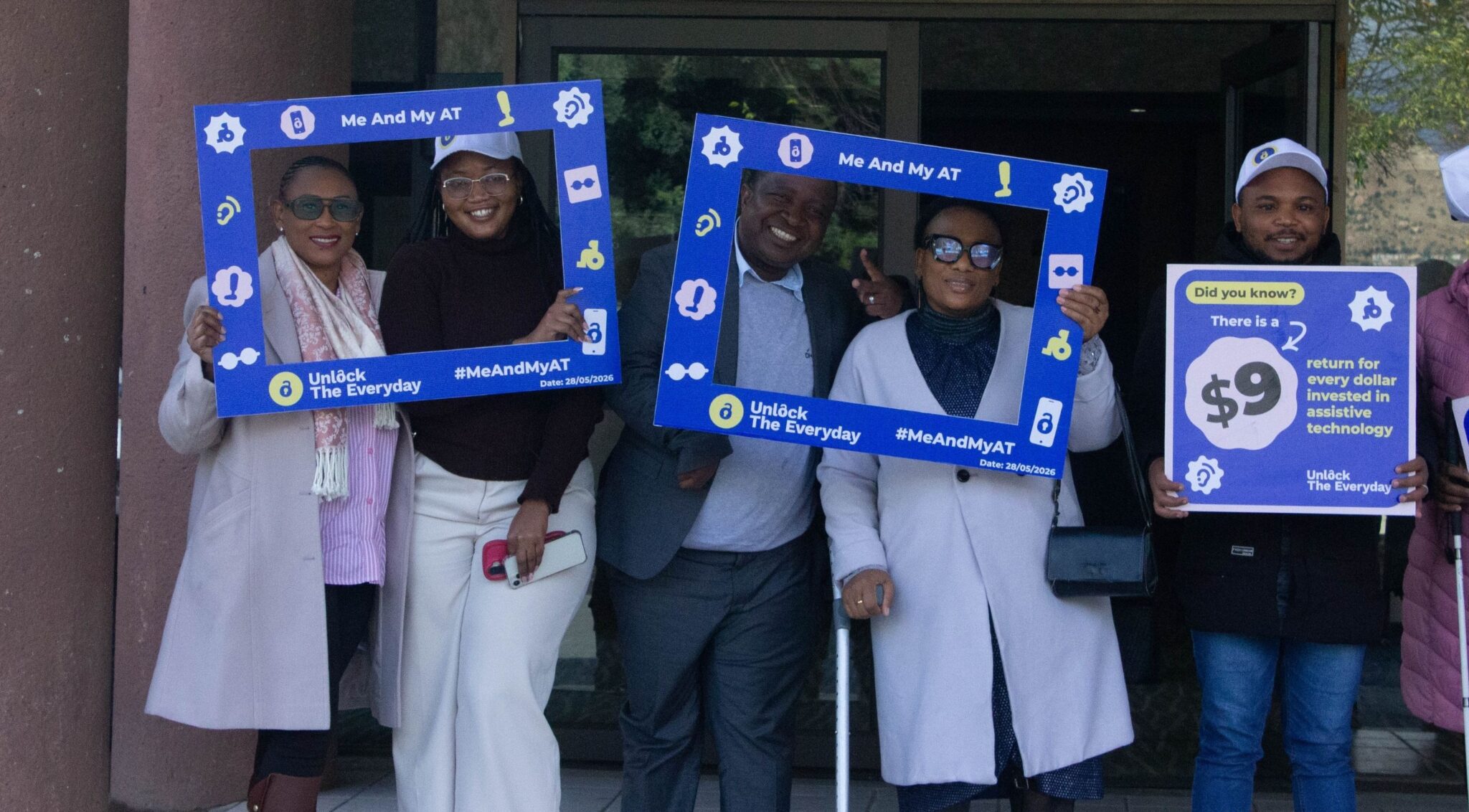 simple awareness to structural advocacy. Through targeted events, they forged national advocacy frameworks, including a formalized Call to Action in Botswana focusing on financing and procurement.
The #MeAndMyAT Challenge: Lived experience takes centre stage
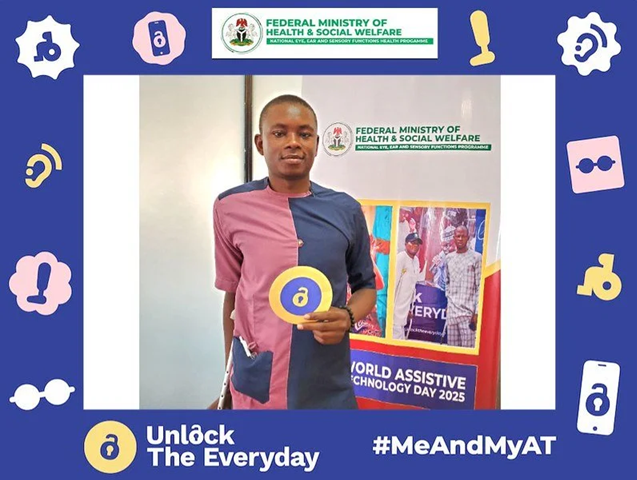
A centerpiece of the 2026 campaign was the #MeAndMyAT challenge, which invited users to frame their photos and share how their assistive technology helps them to participate in everyday life and live their life to the full.
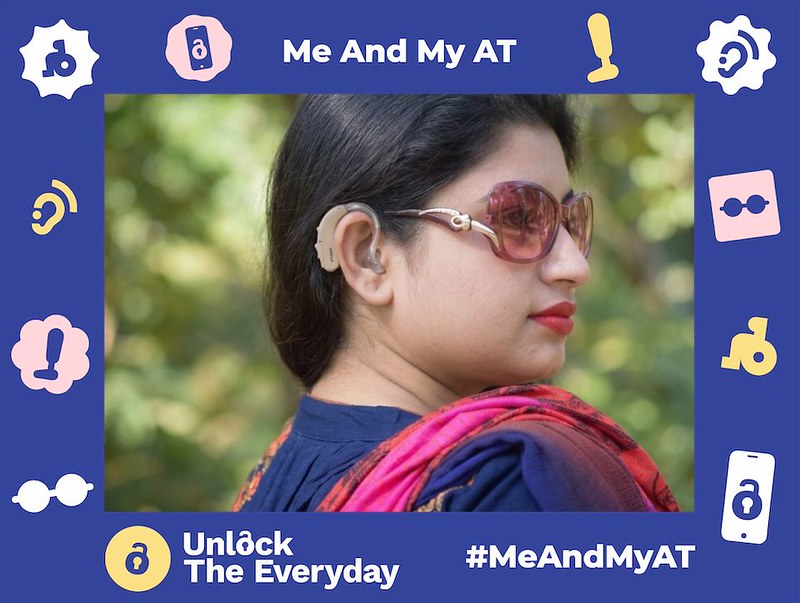
Caption: Bangladeshi sign language expert, Umma Hafsa Moni, shared her personal story as part of the #MeAndMyAT Challenge led by BDDT
The response was overwhelming. On 4 June alone, over 170 stories flooded Instagram, putting authentic lived experiences at the forefront of the global conversation. In Asia, their photo contest saw 716 AT users generate hundreds of original posts. From young students using screen readers to adults utilizing augmentative and alternative communication (AAC) devices, the digital space was transformed.
Driving Systemic Change
The success of the 2026 campaign lies in its lasting impact. The blend of a 30-million-person global reach with grassroots action proved that raising awareness is a critical catalyst for systemic policy change.
In Peru, advocacy efforts led directly to dialogues with the Ministry of Health tied to the national Assistive Technology Roadmap. In Southern Africa, the appointment of a former Permanent Secretary as an "Assistive Technology Ambassador" in Botswana means that AT will remain a priority in government circles long after the day itself. Furthermore, the creation of open-source knowledge platforms—like the interactive campaign map, the digital flipbook in Southern Africa, and the regional toolkits in Latin America—ensures the momentum built this year will continue to grow.
Looking Ahead
When lived experience is placed at the centre of advocacy efforts, and when global messaging is paired with trusted, resourced grassroots organizations, we can continue to build momentum and grow our global movement.
As we reflect on the commitment and engagement of all of our partners, including many more not mentioned in this short article, the message to global policymakers was loud and clear. Access to assistive technology is not a luxury; it is a human right, a catalyst for economic development, and the key to unlocking the everyday for everyone.
Thank you to every partner, AT user, and advocate who made the day so powerful. Together, let’s unlock the everyday for everyone, everywhere