
Cambodia
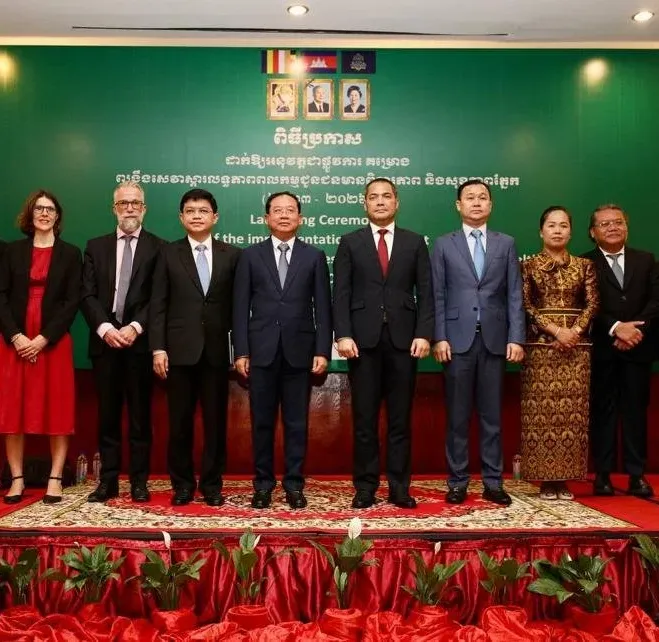
Programme management, coordination and support in implementing assistive technology activities to the Ministry of Health and Ministry of Social Welfare, Veterans and Youth Rehabilitation, Government of Cambodia
©The Fred Hollows Foundation


Partners:


Programme management, coordination and support in implementing assistive technology activities to the Ministry of Health and Ministry of Social Welfare, Veterans and Youth Rehabilitation, Government of Cambodia
Map of Cambodia
Objectives of the programme: To improve access to assistive technology through strengthened policies, improved service delivery, and provision of essential assistive products in the areas of vision and mobility.
Programme results:
 |
|
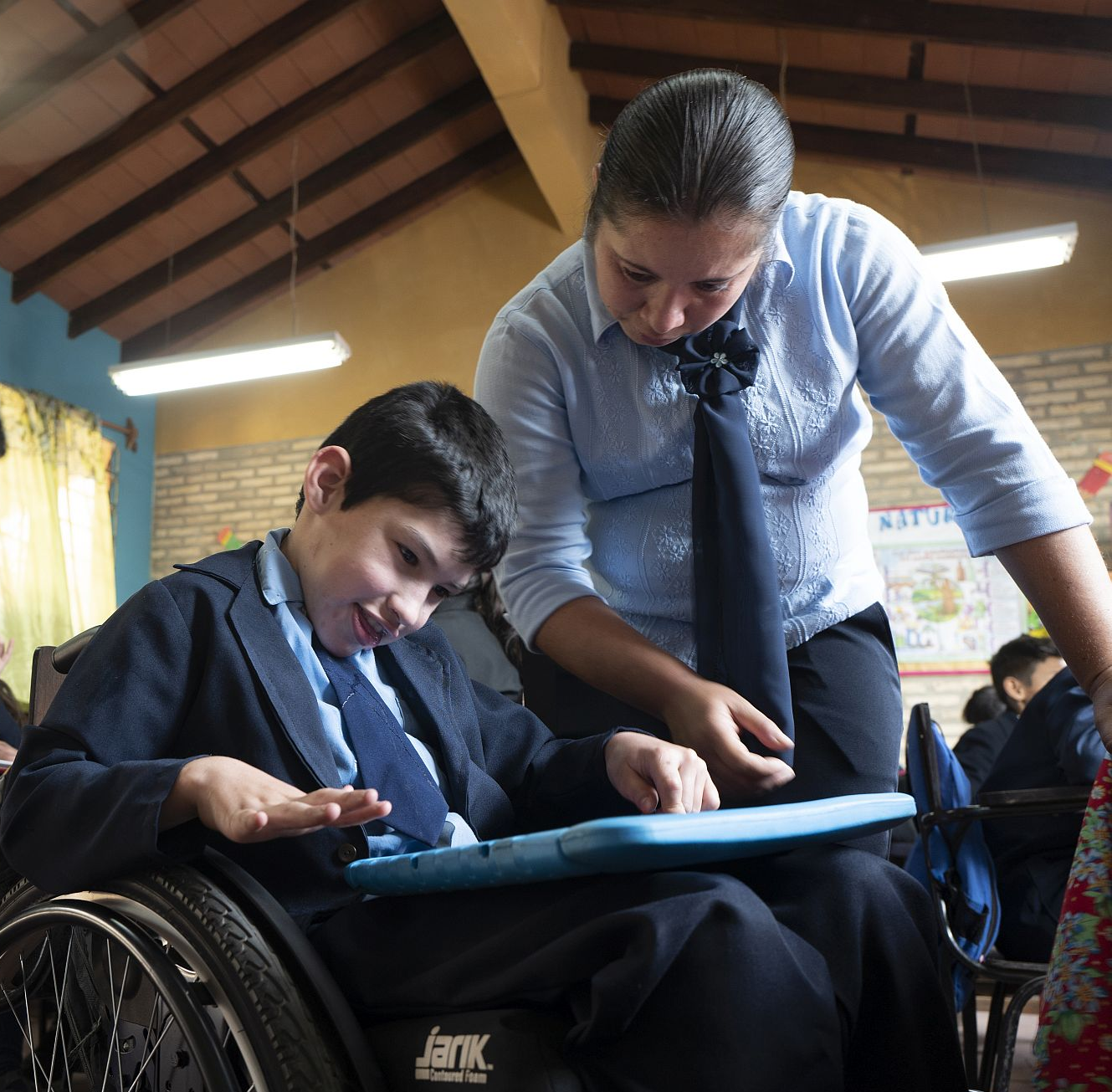
 | Significant progress has been made in expanding access to physical rehabilitation services by strengthening six government-managed PRCs. Key achievements include upgraded equipment, the introduction of the OpenTeleRehab platform, piloted hospital–PRC referral pathways, standardized client feedback mechanisms, and community awareness campaigns. As a result, 57,838 persons with disabilities, particularly in rural areas, accessed PRC services, including prosthetics and orthotics, physiotherapy, wheelchairs, and walking aids. Situational and cost–benefit analysis of domestic production and the development of short- and long-term business plans to optimize Orthopedic Component Factory’s production costs. The resulting analysis and strategic plan were developed and shared with relevant stakeholders, including persons with disabilities. The programme also supported a scholarship programme for eight students enrolled in a three-year Prosthetics and Orthotics (PO) course and five students per year in a one-year Prosthetic and Orthotic Technician (POT) course (15 POT students in total). |
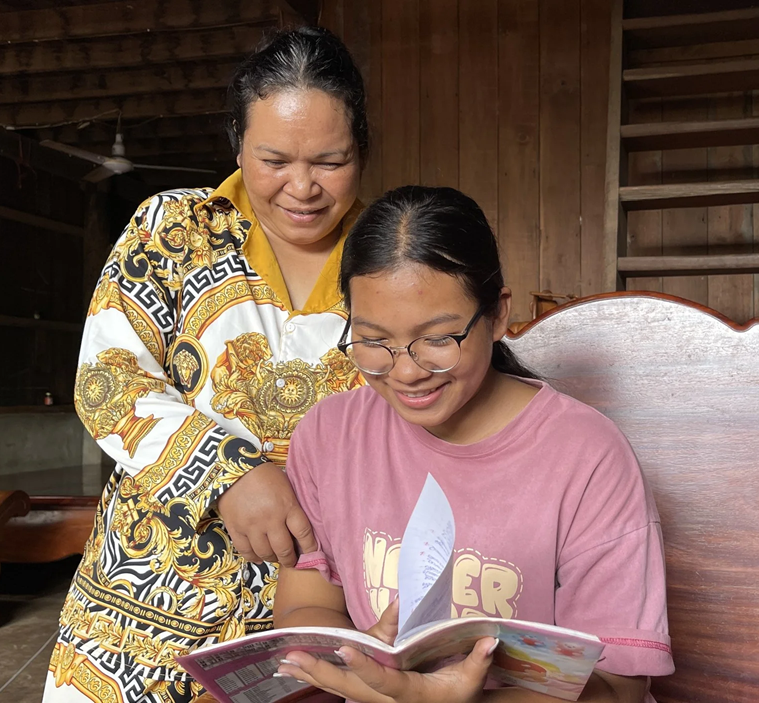
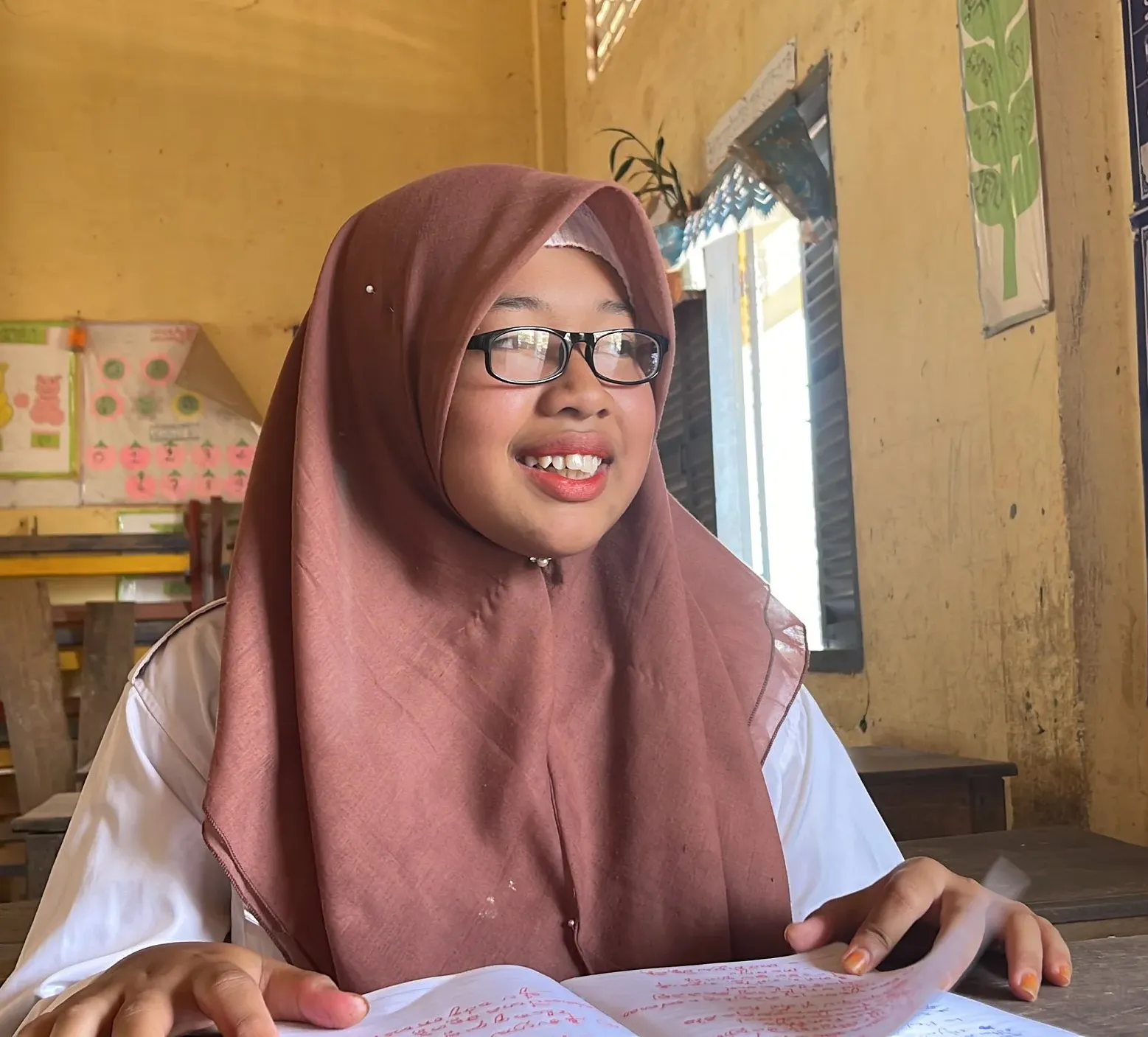
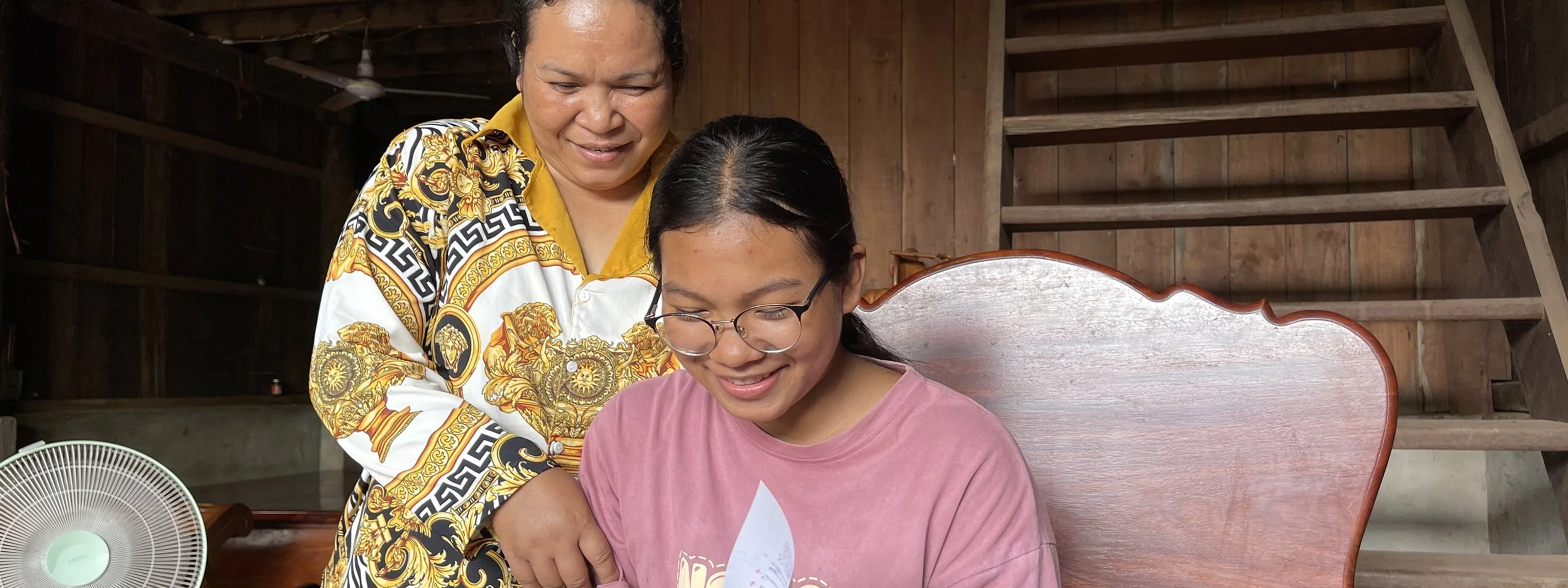
 | In vision and eye health, the programme supported service expansion by establishing 21 new vision centres at referral hospitals, training 36 refractionists, and supporting large-scale screening initiatives. To date, over 119,000 people have been screened for refractive errors, more than 12,000 individuals have received eyeglasses, and school-based eye health services have screened over 300,000 children and 20,000 teachers |