UNICEF Viet Nam introduces 'vi vu', a Vietnamese text-to-speech software in southern dialect to enhance digital accessibility

Ha Noi, July 2024 – UNICEF Viet Nam is proud to launch 'vi vu', an innovative Vietnamese text-to-speech software in southern dialect, designed to enhance digital accessibility for visually-impaired individuals in Viet Nam.
This initiative is part of a broader effort by UNICEF headquarters and ATscale, the Global Partnership for Assistive Technology, to develop text-to-speech (TTS) voices for under-represented languages and dialects to foster global digital inclusivity. 'Vi vu' in Vietnamese southern dialect is a key outcome of this project, which was made possible through a collaborative effort with UNICEF Viet Nam. The new software adds a voice to existing applications such as book readers or screen readers so people can use digital devices such as smartphones to read text out loud in their languages from web pages, emails, electronic books and more.
Many under-represented languages are often overlooked due to the perceived lack of commercial viability, creating barriers for those relying on assistive technologies like augmentative and alternative communication (AAC) tools and screen-reading software. This initiative aims to address these gaps, enhancing efficient communication and information accessibility for all.
ATscale leads the development of the 'vi vu' TTS voice, with UNICEF providing crucial technical support. ATscale identified the need for these voices to address the commercial limitations faced by private IT companies, which have left many under-represented languages and dialects without adequate TTS support.
“While there are numerous Vietnamese text-to-speech engines available, none offer a quality Vietnamese southern dialect,” said Dang Hoai Phuc, Director of Sao Mai Centre for the Blind, who coordinated the search for a voice artist. “The challenge now is to make sure people are aware that this technology is available to them.”
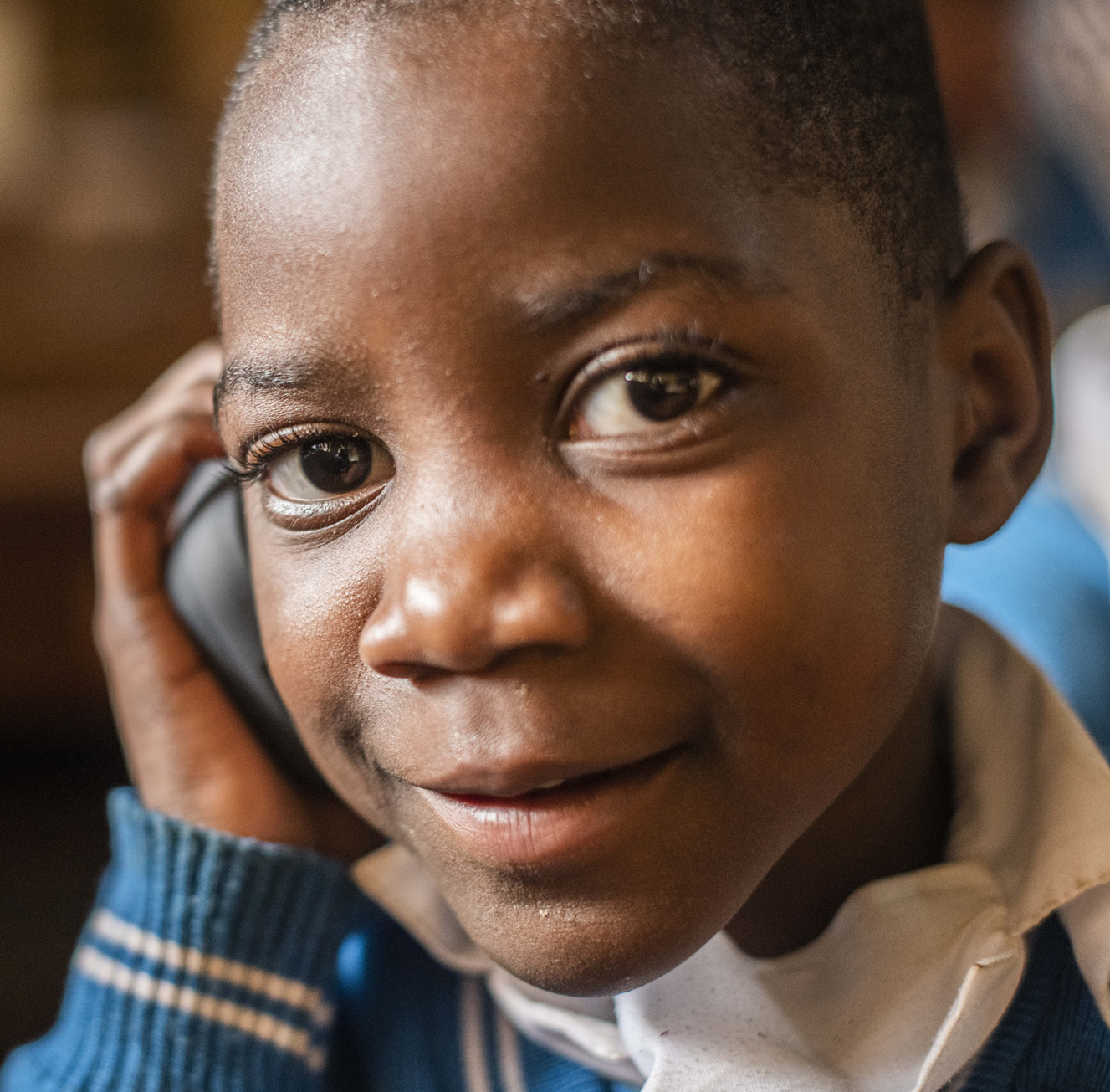
The 'vi vu' TTS voice enhances communication for AAC software users, offering a more natural interaction method. For visually impaired individuals, it improves digital literacy and access to essential information, opening up educational and professional opportunities. The technology is compatible with various digital devices, including tablets, computers and smartphones running on Android, Linux or Windows operating systems. It is available as a free, open-source download and responds immediately to the user's commands, eliminating the minor but inconvenient delays often experienced in other voices.
“'Vi vu' opens up a world of opportunities for visually impaired individuals, especially those in southern Viet Nam," said Yen Anh, Inclusive Education Officer, UNICEF Viet Nam. “The introduction of a high-quality southern dialect ensures users can access information and education in their native language, fostering greater inclusion and digital literacy.”
The development of 'vi vu' was a collaborative effort involving UNICEF HQ, UNICEF Viet Nam, the ATscale partnership, Sao Mai Centre for the Blind, and LouderPages (producers of RH Voice).
UNICEF Viet Nam played a vital role in testing and evaluating the voice, translating terms into Vietnamese, and coordinating with evaluators to maintain high standards.
Under-representation
An estimated one billion people - more than 10 percent of the global population - have some form of vision impairment that is uncorrected or could have been prevented.
Data on visual impairments is still being collected in Viet Nam, which had a population of about 100 million in 2023. It is estimated that around two million people in Viet Nam live with various forms of visual impairments. This app can be used by people with visual impairments, speech impairments and dyslexia.
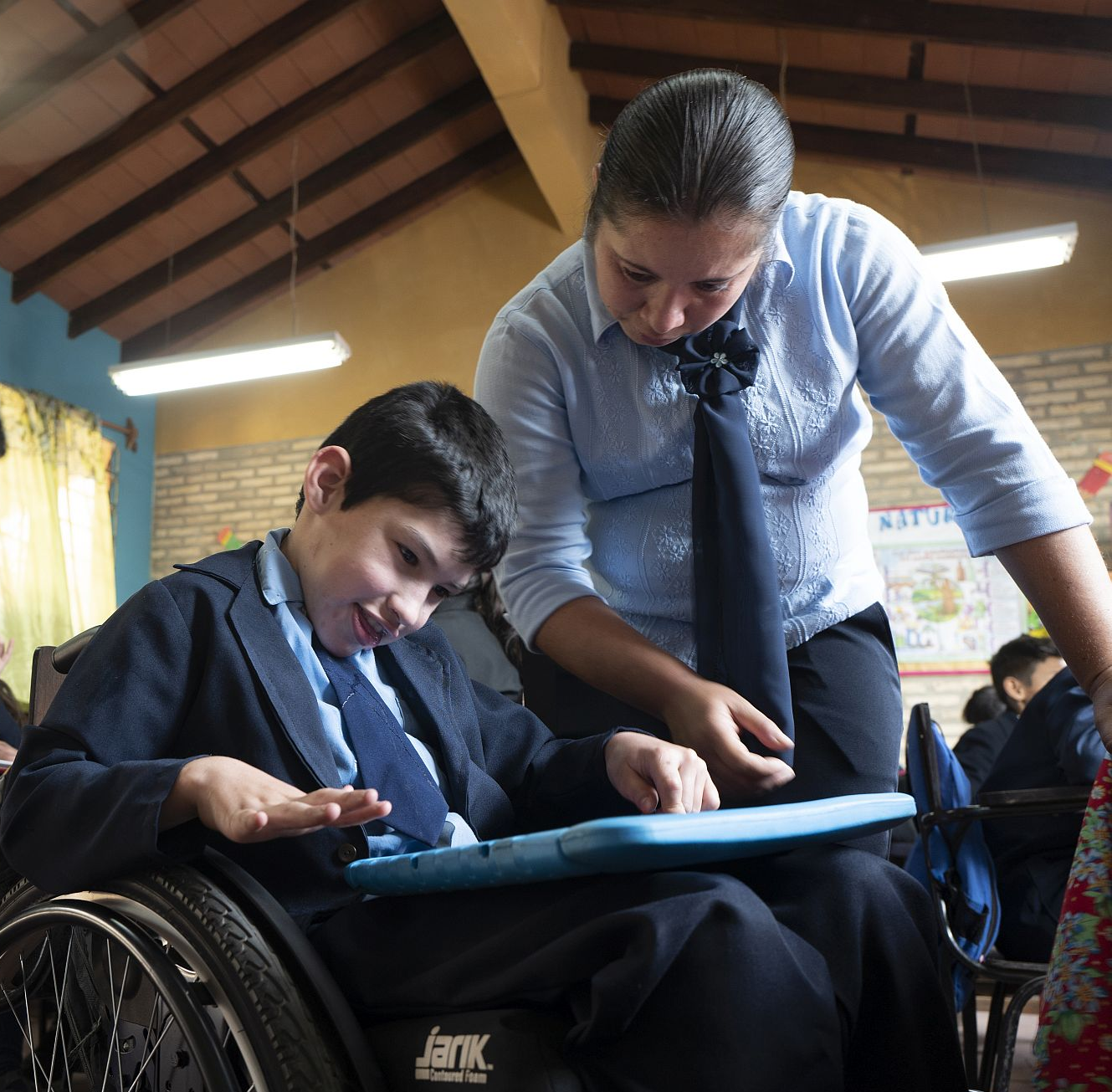
“As a rights-based organization, UNICEF is excited to support children and young people with visual impairments, enabling them to enjoy their rights to education and access to information,” said Yen Anh. “For those who use it, this is a life-changing technology.”
Assistive technology
The project shows how more people can be enabled to use the necessary assistive technology, an umbrella term covering wheelchairs, prostheses, glasses, hearing aids and a range of digital technologies.
In low-and middle-income countries, some 90 per cent are unable to access the assistive technology they need, meaning millions of people are excluded from work, school and community. This lack of assistive technology represents a serious impediment to progress towards the United Nations’ sustainable development goals and on promises made in this context to leave no one behind.
ATscale, the Global Partnership for Assistive Technology, is a cross-sector partnership with a mission to transform people’s lives through assistive technology. It catalyses action to ensure that, by 2030, an additional 500 million people in low- and middle-income countries get the life-changing assistive technology they need. To reach 500 million more people with assistive technology by 2030, ATscale employs a range of strategies, one of which is to fix the market failures where the markets are not large enough to attract commercial funding.
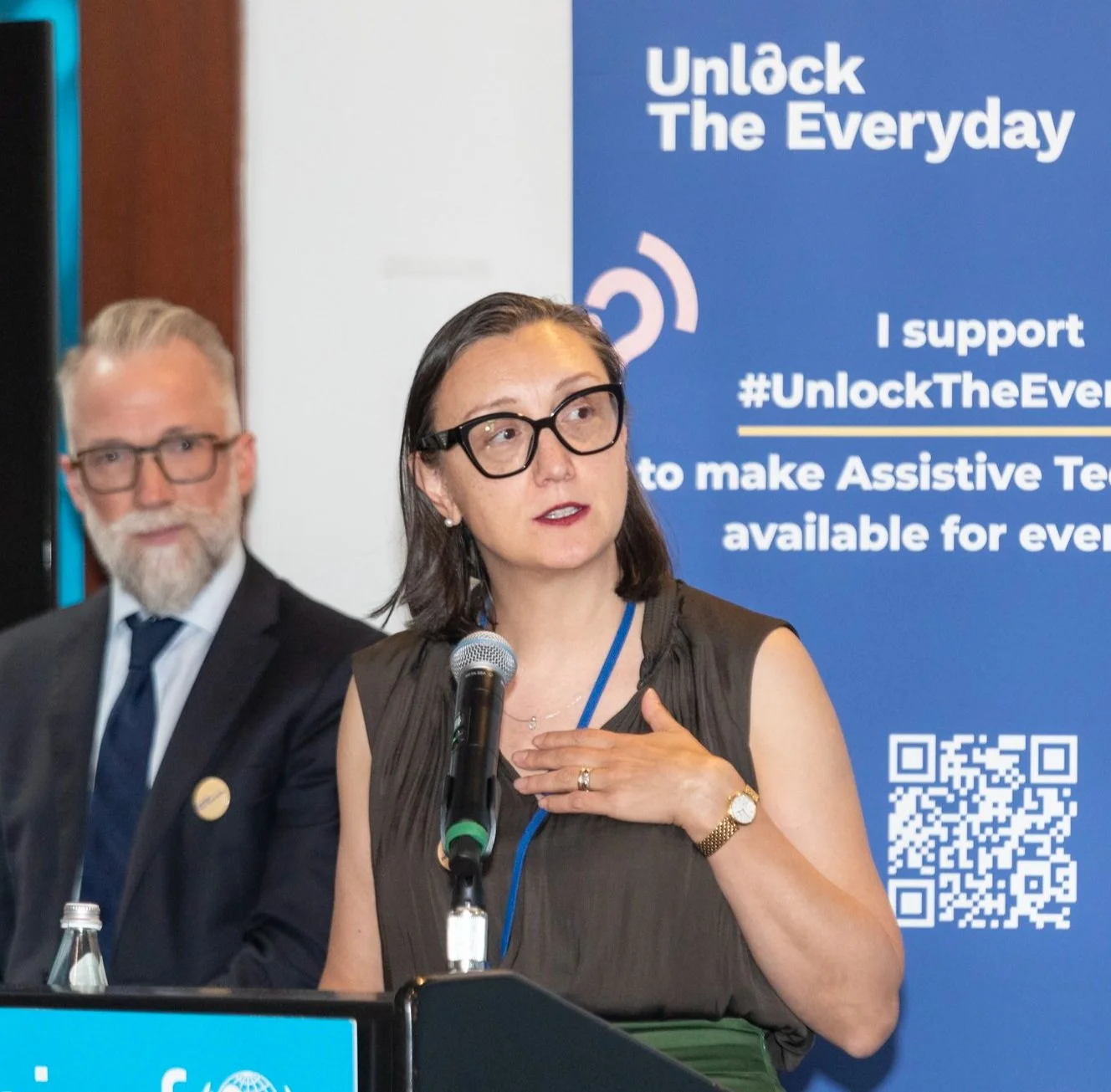
Pascal Bijleveld, CEO of ATscale, said that the partnership is supporting similar projects for three other languages - Nepali, Setswana and Turkman.
“Having seen how this can work, we now know that millions of other people might benefit from similar projects.”
UNICEF Viet Nam remains committed to advancing digital literacy and inclusion for every child in Viet Nam. For more information about the 'vi vu' Vietnamese TTS southern dialect and other UNICEF initiatives, please visit the following links: