One-stop hops in Tajikistan making large strides to integrate assistive technology into national health systems
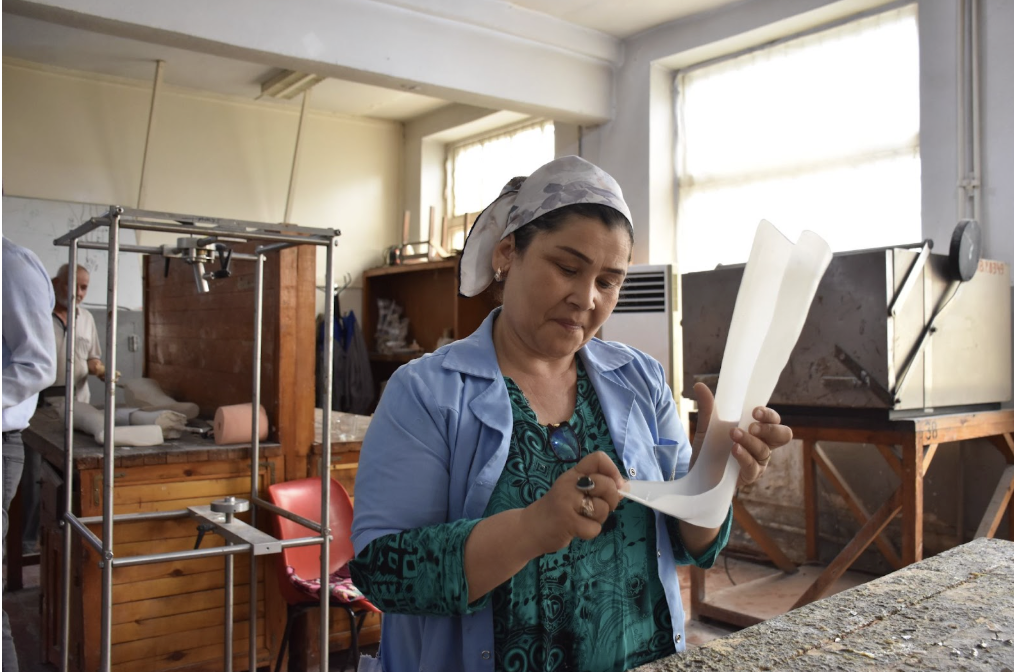
Tajikistan is making significant strides towards strengthening access to assistive technology, through its commitment to the National Health Strategy 2030. This commitment is clearly demonstrated by the substantial increase in the national budget for assistive technology, which has risen from 4.5 million TJS in 2019 (approximately US$207,000) to 14.6 million TJS in 2025 (approximately US$1.52 million). To oversee the implementation of the National Assistive Technology Action Plan, formally adopted in November 2023, a dedicated coordination committee has been established.
Despite these efforts, a large unmet need for assistive technology persists. The government provides an estimated 1,000 to 1,500 wheelchairs annually, which is less than 10 per cent of the known demand. WHO estimates that approximately one in four people in Tajikistan-around 2.4 million-could benefit from rehabilitation. While the government identifies approximately 158,000 people in need of assistive technology, there are an additional estimated one million people who could benefit.
Affordability continues to be a barrier. WHO’s 2021 survey found that 76.9 per cent of respondents paid for their assistive products out of their own pocket, often with support from family and friends. The challenges have been difficult to overcome, with limited resources and a centralized system for service provision. Internationally procured products may not be suited to local conditions, and locally produced goods do not fully meet demand. There has also been limited training and capacity for provision among the health workforce and until now, assistive technology was not integrated into the country’s primary healthcare services.
To address these challenges, the one-stop-shop assistive technology provision centres programme was designed in close collaboration with the Ministry of Health and Social Protection, WHO EURO and WHO Tajikistan, with the support of ATscale, the Global Partnership for Assistive Technology, and introduced in four prioritized districts. This programme represents a major shift in how assistive technology is delivered. The government has demonstrated its political commitment by passing a decree to formalize provision through the primary healthcare system. For the first time in Tajikistan, a range of quality assistive products has been made accessible to the general population at no cost, not just to registered persons with disabilities. Moreover, for the first time, assistive products are complemented by services including assessment, fitting, user training and follow-up, all available at the same location within primary health-care centres.
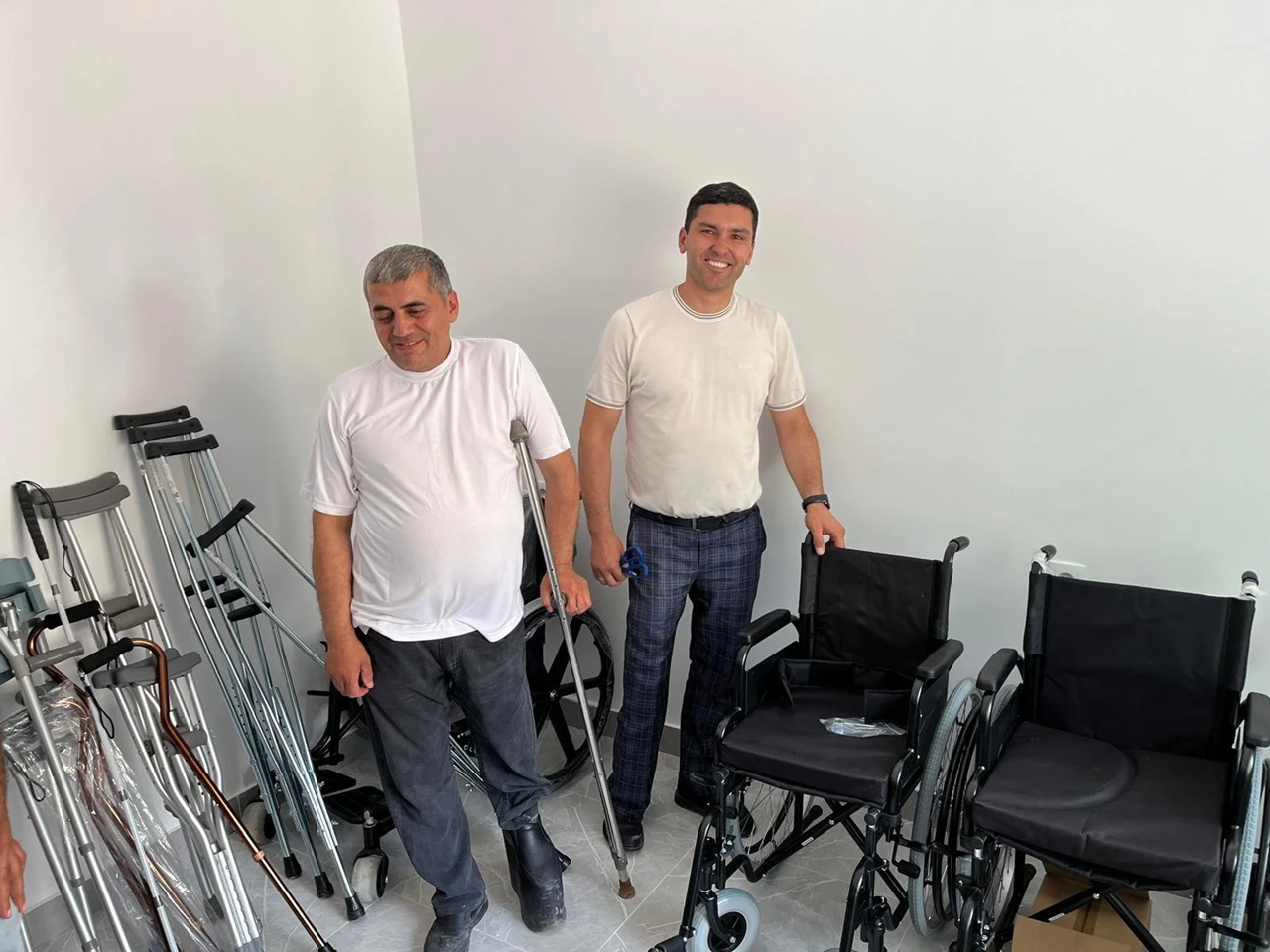
The impact of the one-stop-shop programme is already visible. To date, 300 people have received assistive products at 12 district and rural health centres, with the target of reaching 10,000 by the end of the programme. More than 100 health workers from these districts have been trained on topics including mobility and self-care, vision and hearing, and wheelchair services. This includes staff who are now equipped to support wheelchair users with product selection, fitting, training, follow-up care, and maintenance and repairs.
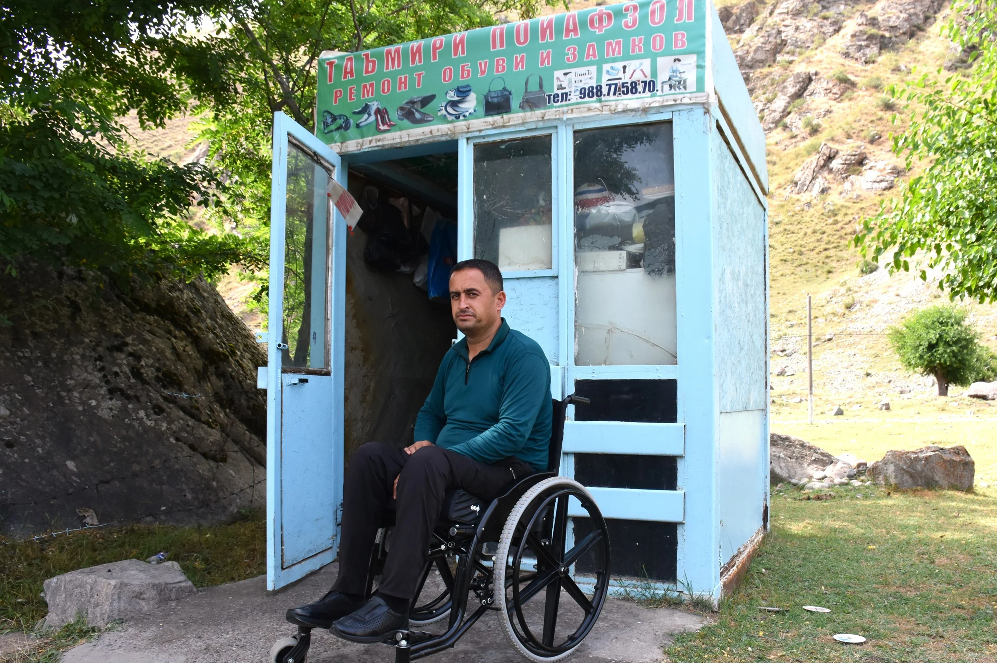
These efforts have also resulted in the introduction of new products previously unavailable in these communities, such as programmable hearing aids, reverse walkers and active user wheelchairs. For people like 43-year-old shoemaker Nozimoh Hoshimjon from Garm town in Rasht, this has been transformative. Living with muscular dystrophy since the age of 18, caused by polio, he had long struggled with weak, indoor wheelchairs that frequently broke down and could not be folded into a car. Travelling to his small shoe repair workshop, just 1.2 km from his home, was often exhausting. With his new wheelchair, suited to the rough terrain and provided through the one-stop-shop service, he now makes his journey to and from work each day with greater safety, ease and independence.
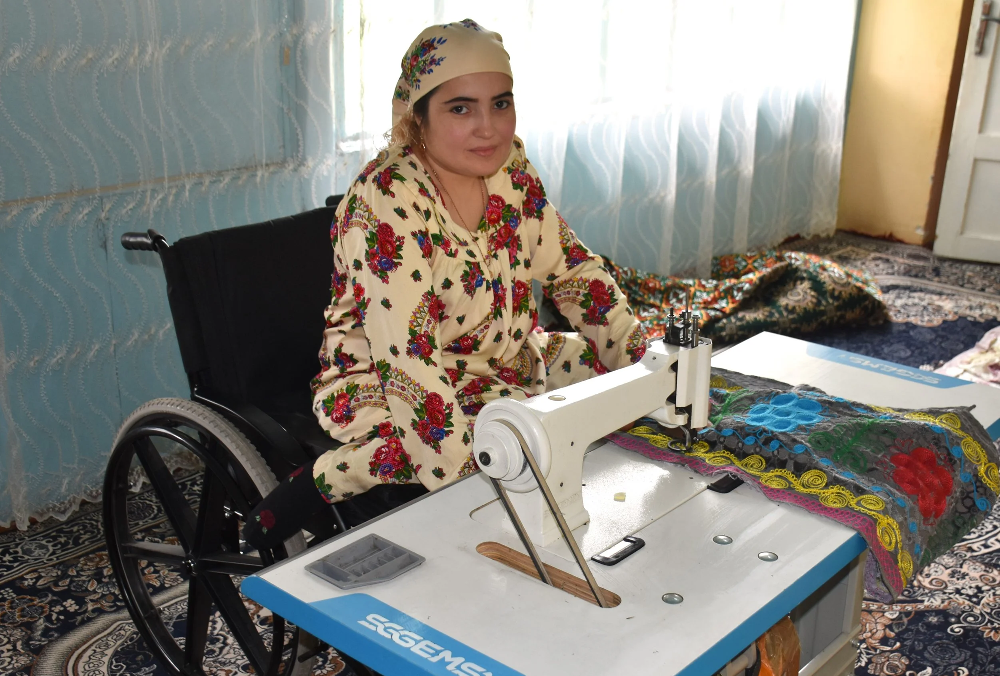
In nearby Nimich village, 43-year-old dressmaker Halimova Sabrinisso, who has spina bifida, also received a wheelchair. Before this, her relatives carried her on their backs or pulled her by her armpits whenever she needed to leave the house, often causing her pain. As a result, she avoided going out. Since receiving her wheelchair, she has gained greater independence and now regularly visits neighbours, and attends weddings and other community events. She also finds the chair convenient for her work at the sewing machine, enabling her to expand her small business with new orders from relatives and neighbours.
The one-stop-shop model demonstrates how integrating assistive technology into national healthcare can bring access closer to the people, break down barriers and restore dignity. Yet with more than one million people still without access to the products they need, financial sustainability and scaling up remain urgent. The momentum is clear, and as the Rasht Health Centre Director emphasized, “There is no going back now.”
Watch the this short video on TAP training in Tajikistan