ATscale supports the provision of assistive technology for earthquake survivors in Myanmar
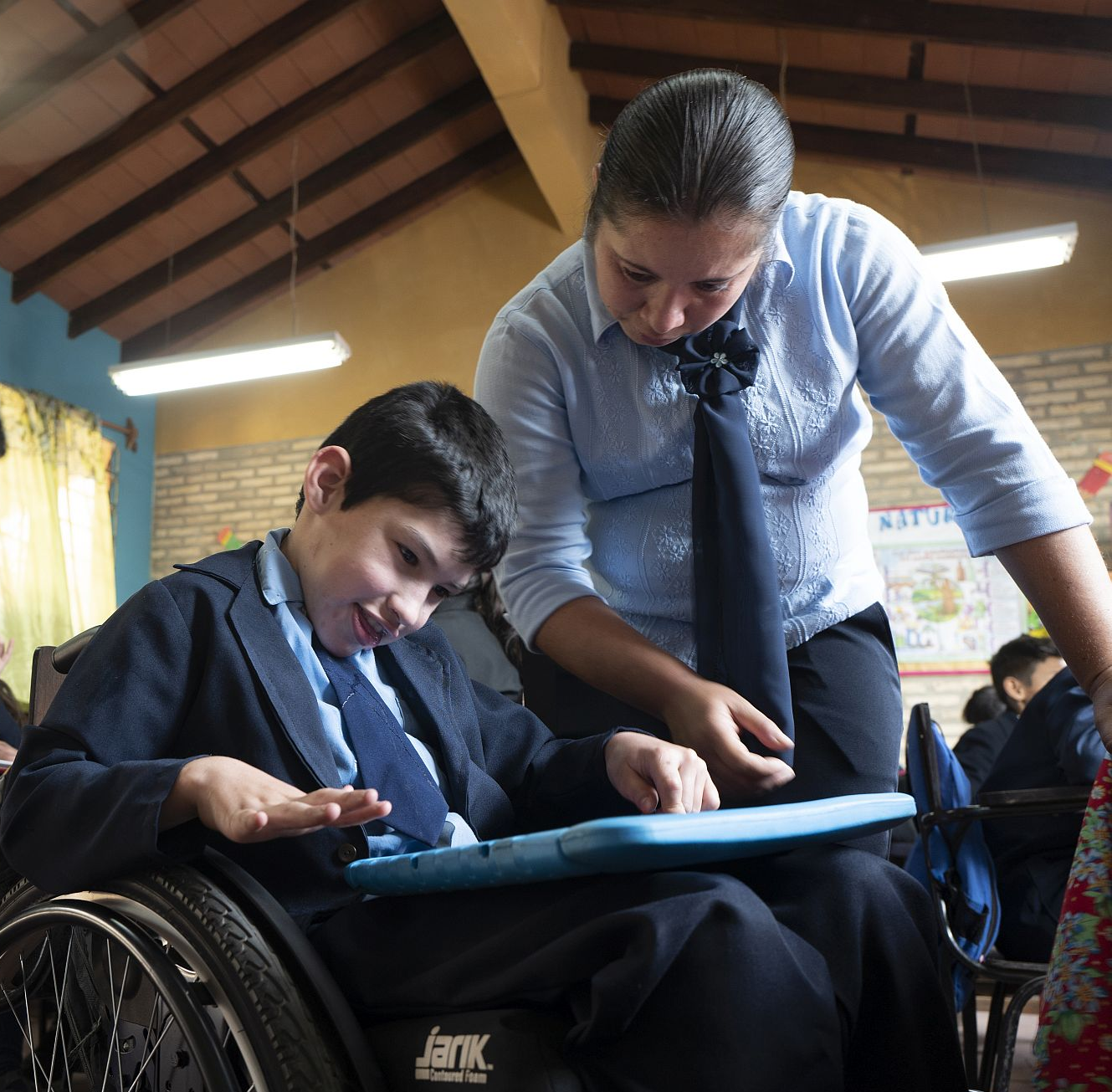
Following the devastating earthquake in Myanmar, ATscale successfully utilized essential assistive products kits pre-positioned and warehoused by Momentum Wheels for Humanity-CLASP. This approach allowed UNICEF to quickly access and deploy the essential items such as wheelchairs, crutches and walkers. This swift response is crucial, as assistive technology plays a vital role in supporting recovery and access to essential services for individuals with newly acquired injuries and disabilities.
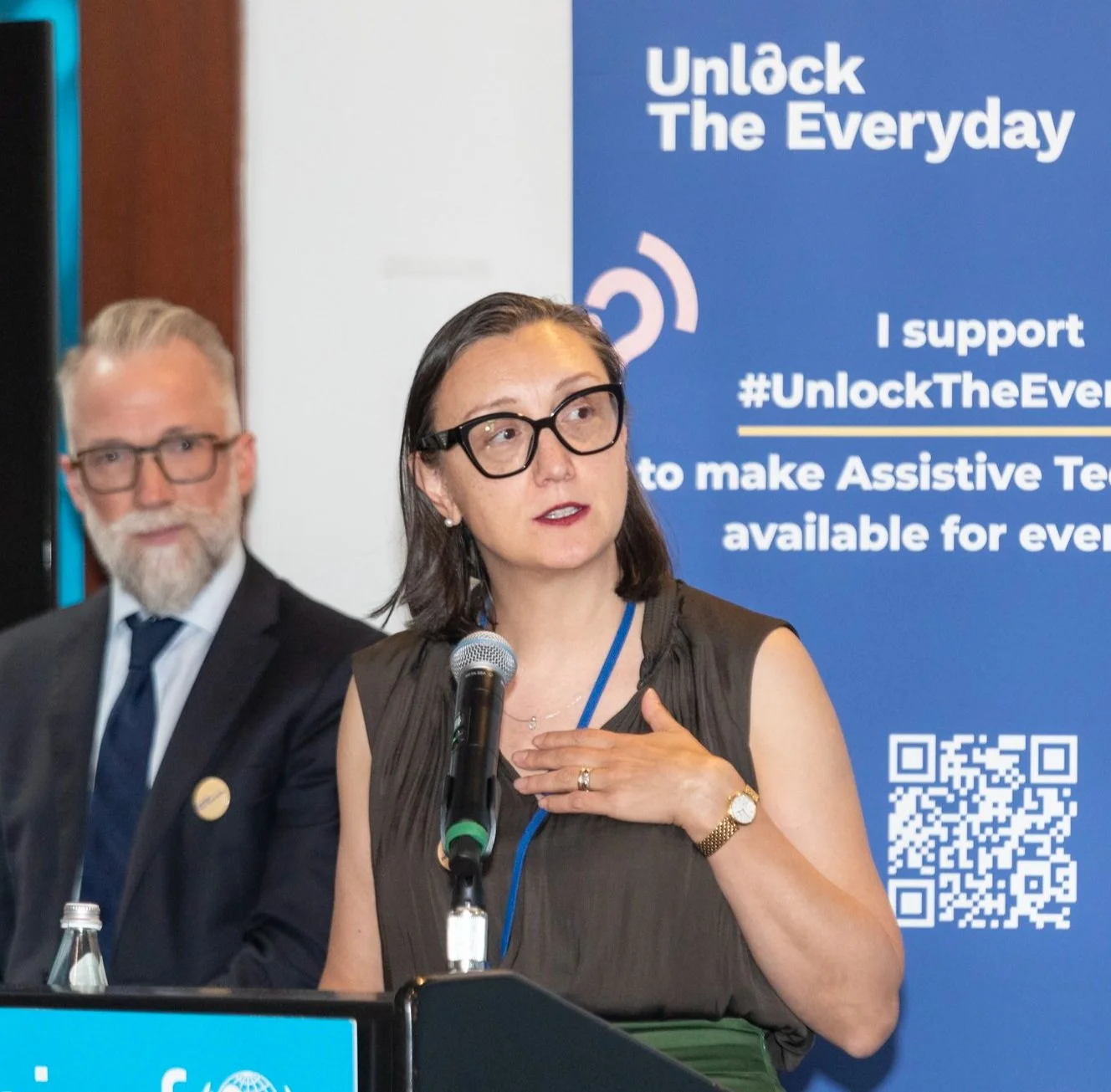
"During any disaster, specific groups are at risk, including women, older persons, children, displaced and those with injuries and disabilities," said Satish Mishra, ATscale Head of Global Programmes. "Usually it takes at least six to eight weeks for anyone who needs an assistive product to receive it. Pre-positioning allows us to get them the assistive products they need in a matter of days, enabling their rehabilitation or replacement of their lost assistive products, and access to emergency response services to help rebuild their lives."
ATscale's proactive approach highlights the importance of integrating assistive technology into humanitarian response. While often overlooked, it is crucial for ensuring inclusivity and supporting the recovery of all individuals affected by emergencies.
Assistive technology – such as mobility, positioning and hygiene aids – is extremely powerful in helping people recover from trauma and injuries, both psycho-socially and physically. During emergencies it can also be lifesaving, helping people escape from dangerous situations, and enabling them to access critical humanitarian services such as food, water, shelter, healthcare and protection.
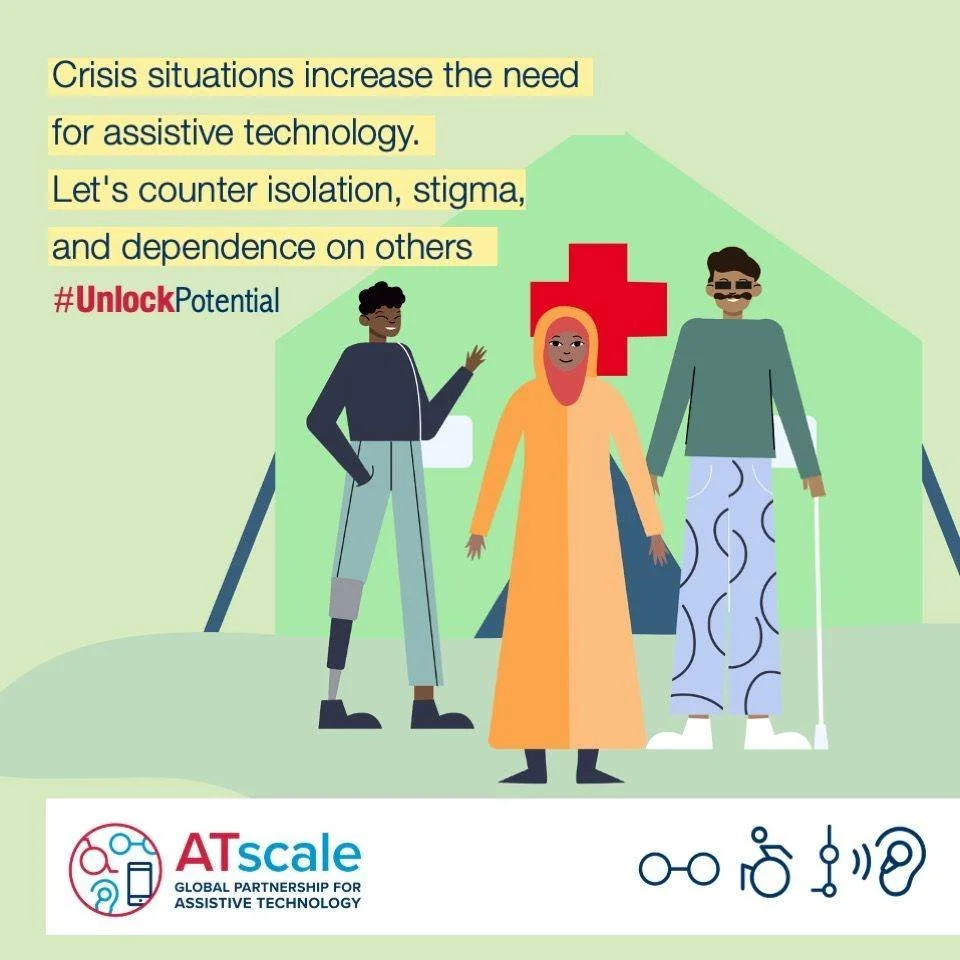
The need for assistive technology increases further during humanitarian crises due to loss and damage of products, new injuries and displacement to different environments. Yet, assistive technology, unlike food, water, shelter, sanitation, healthcare and protection, is often not seen as an important part of humanitarian response. Where the provision of assistive technology in humanitarian settings does exist, it tends to be specialized, small scale and limited to procurement and distribution, with little attention to service delivery. The AT10 is a kit of the ten assistive products that people affected by a disaster need the most. The kit includes wheelchairs, crutches, walking frames, walking sticks, and self-care products that require a system of support and services, including tailored fitting, follow-up and regular maintenance, to ensure their safe and effective use.